Kufunda Village

Global Ecovillage Network logo with Earth and eco-friendly design.
  • Communities

About the Communities

  • Established
  • Ecological
  • Rural

Founding year

  • 2001

What we do

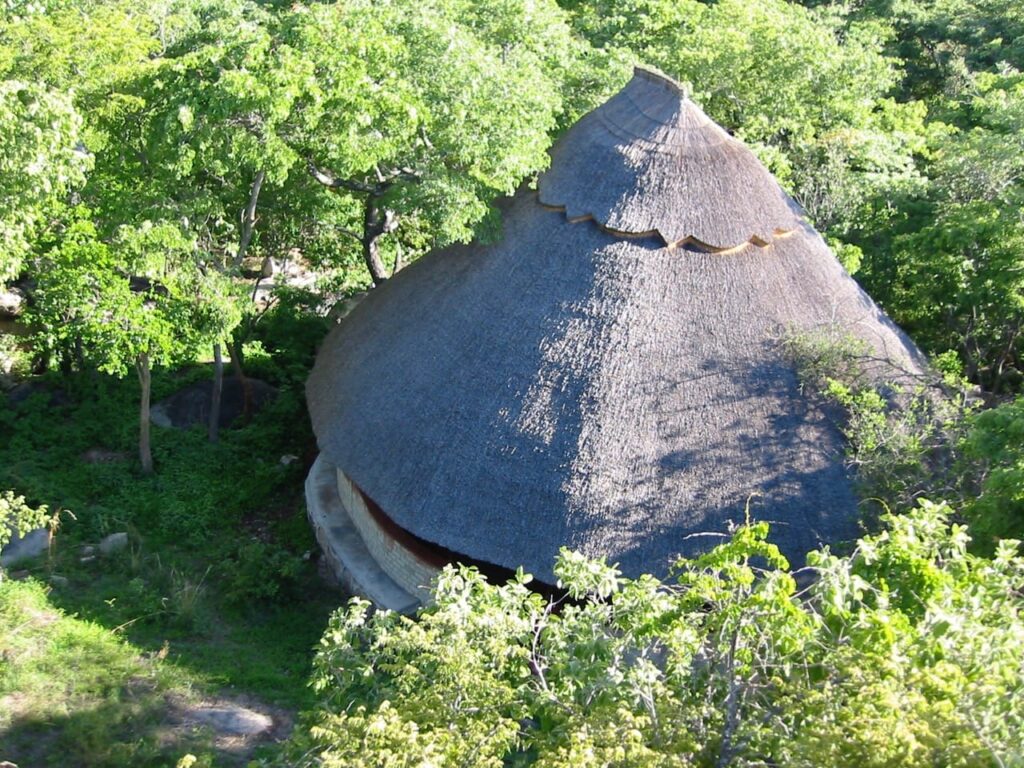
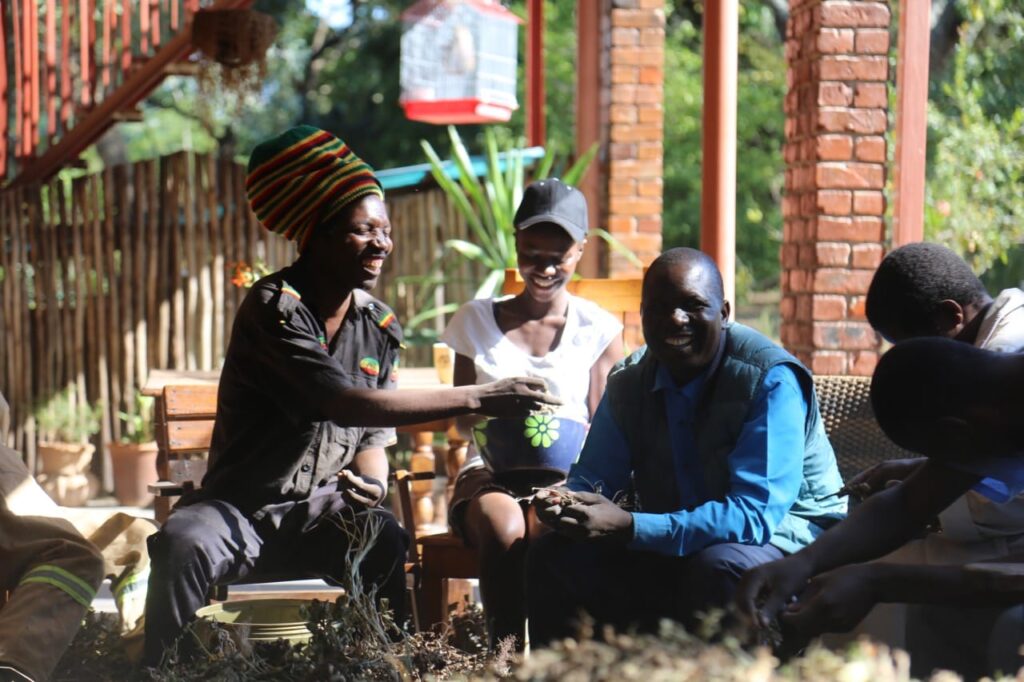
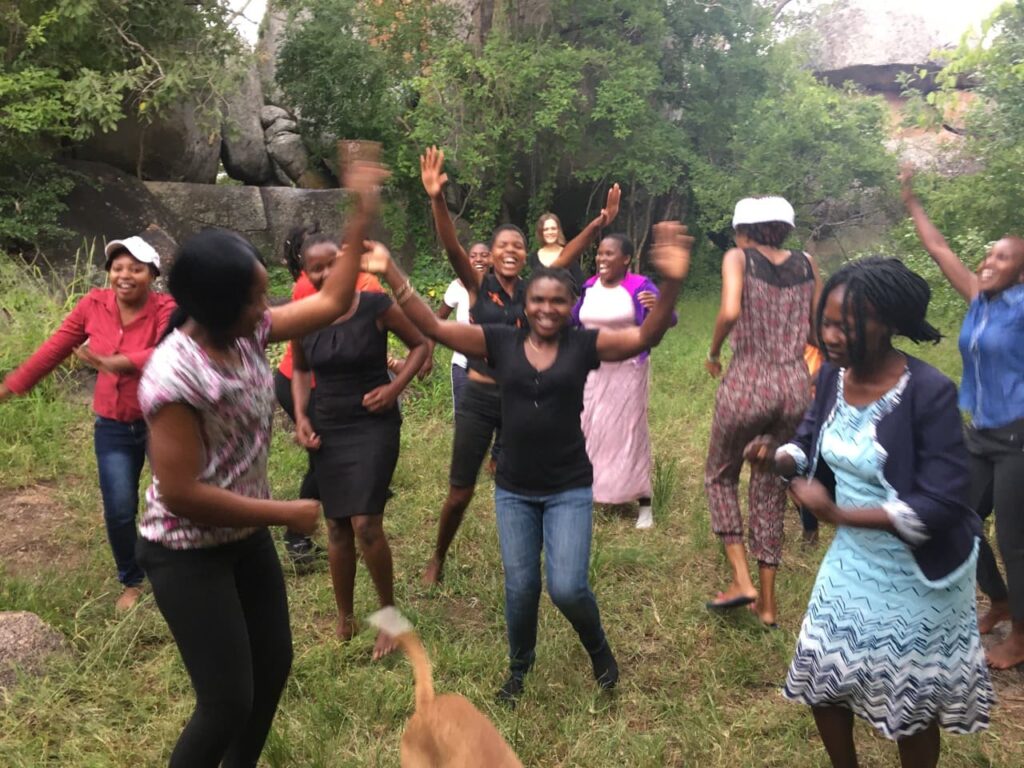
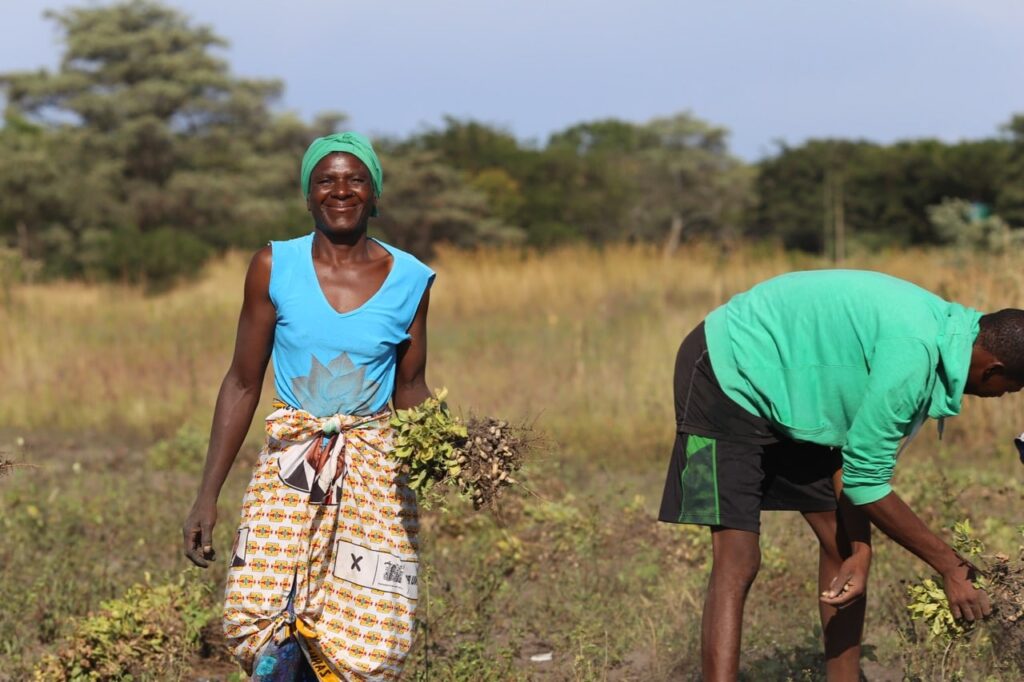
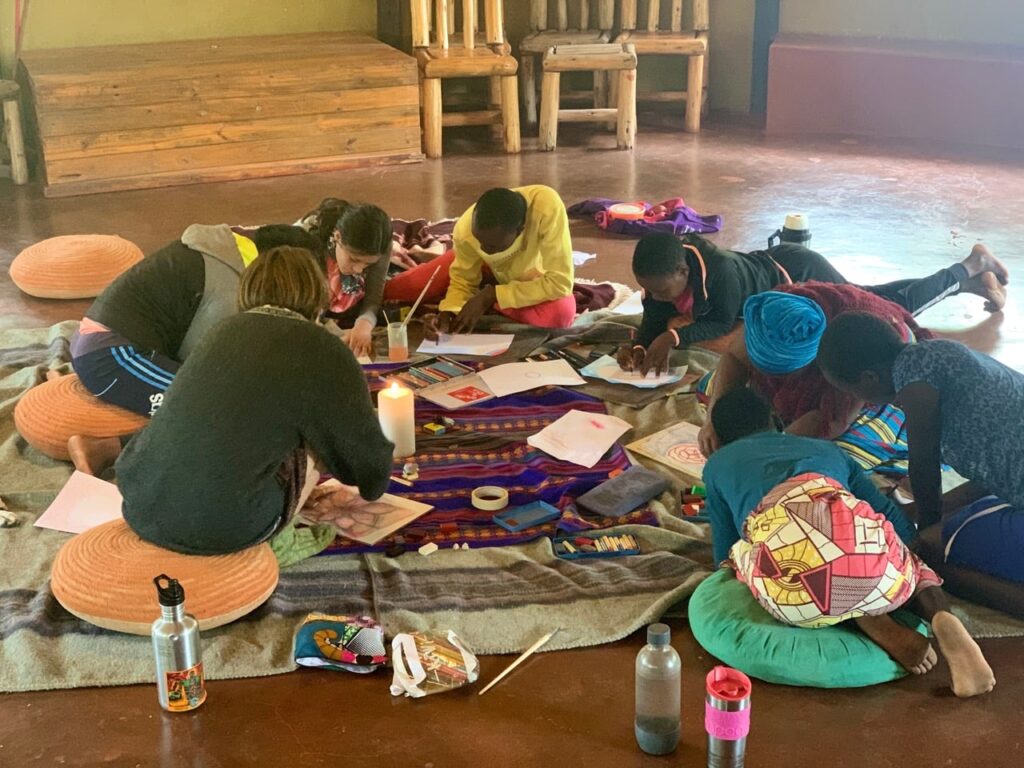
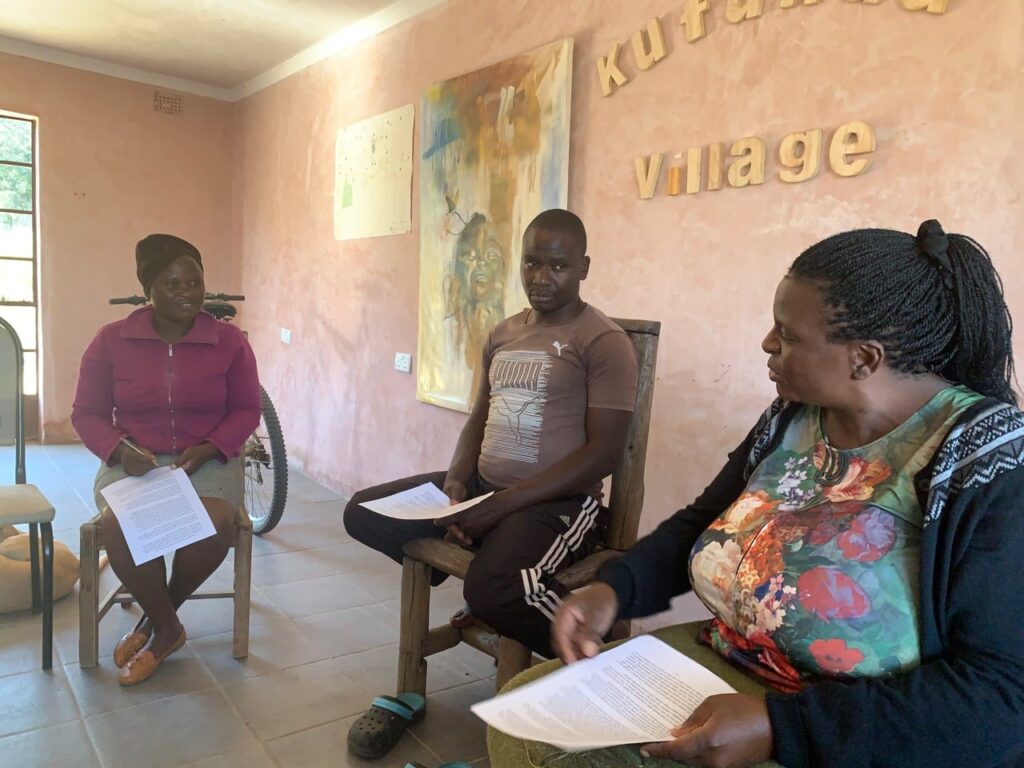
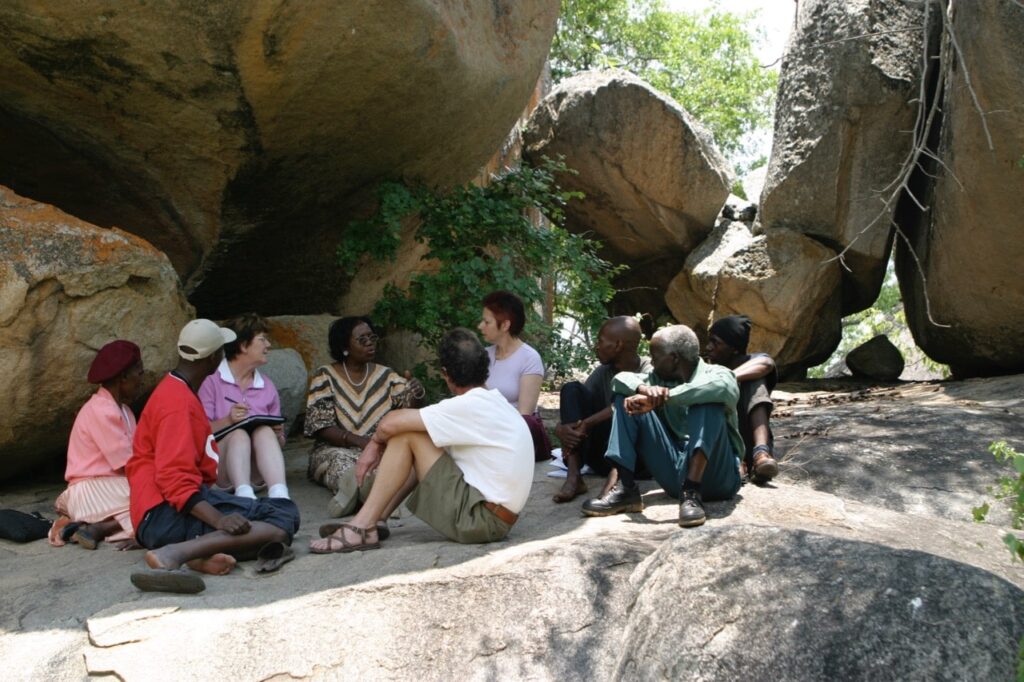
Kufunda is a learning centre and ecovillage in Zimbabwe. We are learning our way into what it takes to build a healthy and vibrant community. Our journey is one of exploring and seeking to live what we believe to be possible. We care about people creating their own solutions. We care about working with the diversity and wealth that we have, to create what we need. We believe that change begins with conscious and confident people, coming together to explore what matters most to them. Then healthy action can flow.
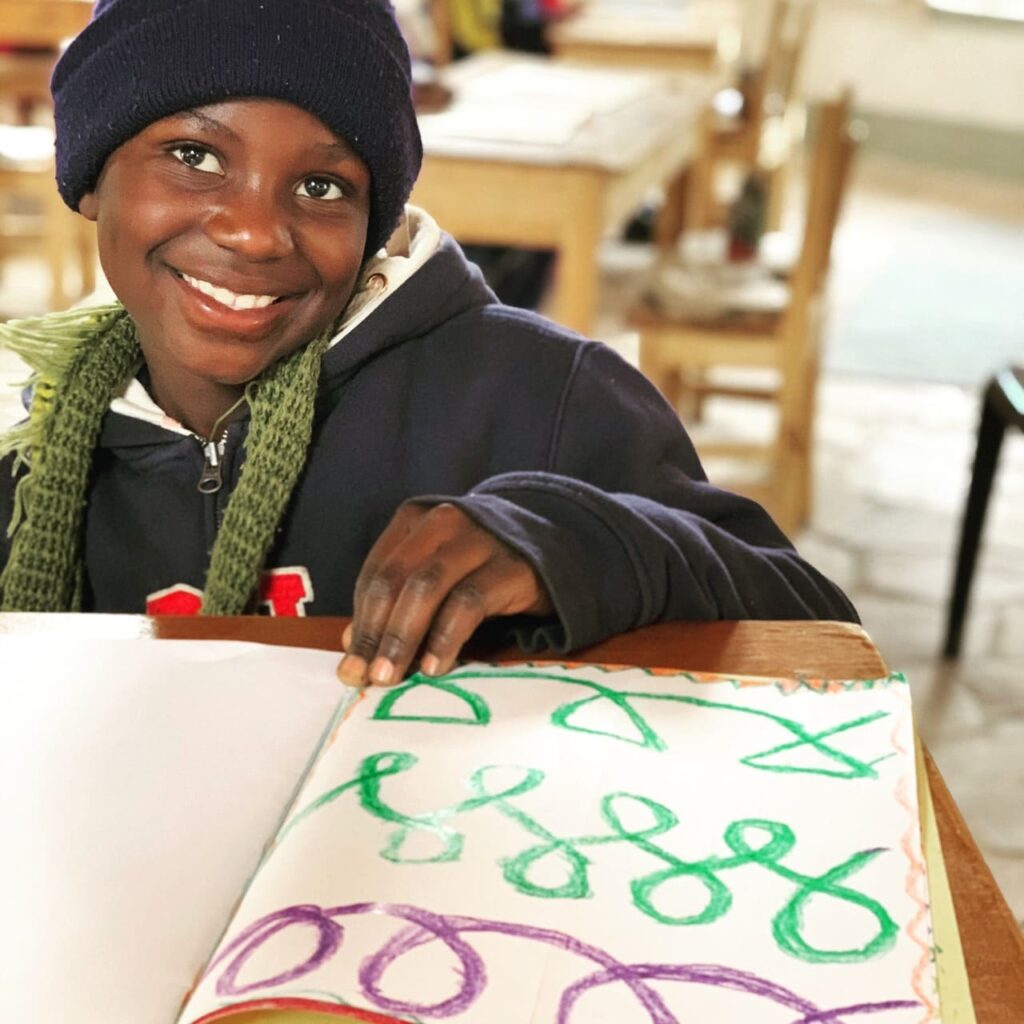
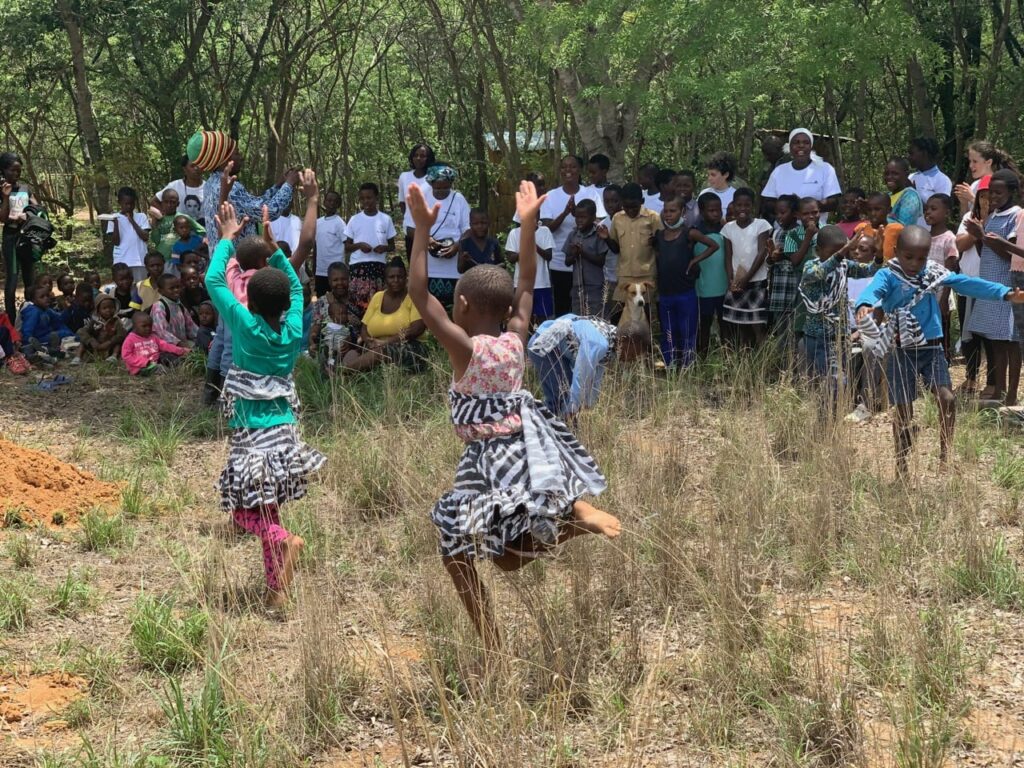
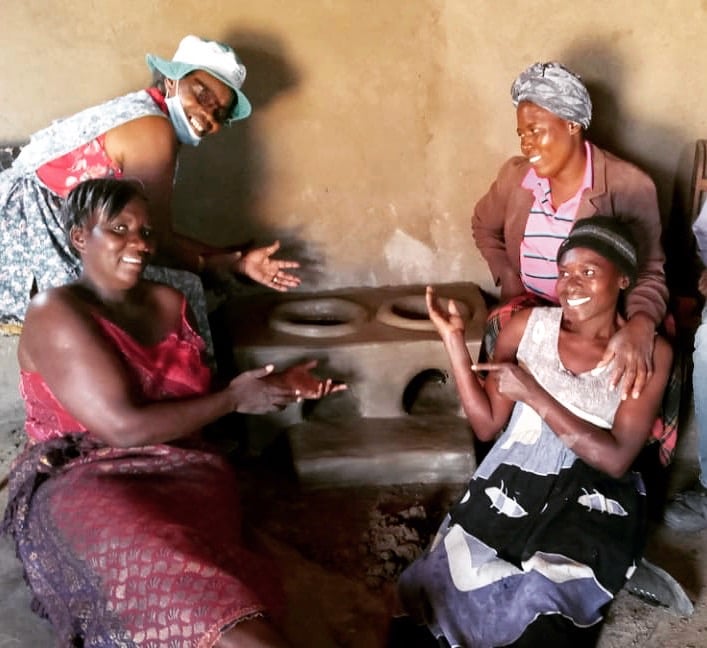
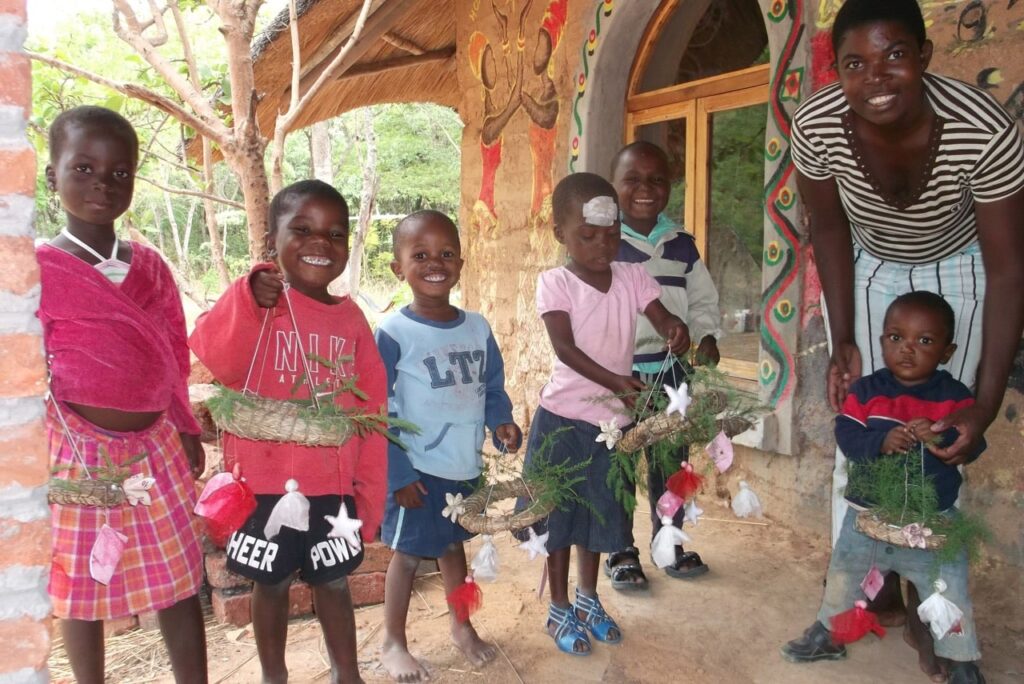
We have learned many practices of coming together to foster creativity and collaboration in community. We have discovered many wonderful things about sustainability and working with what we have, including eco-building, permaculture, biodynamic farming, renewable energy, health and healing, and much more. Much of this has been learned the hard way. With success and failure walking side by side, we have tested and tried our basic beliefs and assumptions, learning our way into what it means to be a learning community. We have also learned that we cannot do this work without including our children, and so for the past three years have been running our own Waldorf Inspired School alongside our other programs and work. The children have connected us more deeply with our local community, which has been an unexpected gift.
Our work is therefore now crystalised into three areas:
Over the past years our work has crystallised into three main areas: Healing in Community including the inner work and learning to come together around what we care about as a community; Healing with the Land expanding our permaculture work to integrate biodynamic practice, and Healing Education with our waldorf inspired school at Kufunda and teacher age appropriate ways of caring for young children in a Zimbabwe network of rural kindergartens that we co-founded. We seek to share and spread all of our work and learning throughout Zimbabwe with partner communities and fellow learners.

  • Purpose
  • Ecological
  • Community type
  • Ecovillage
  • Land-Based Communities
  • Activities
  • Education

Commemorative dates

  • January 1, 2001
  • Started living together

Video

  • Open to visitors
Total
70

How to join

Please contact us with your interest to visit and volunteer and then we will share volunteer documents. You are also welcome to make an appointment to visit and meet us (if you live nearby).

Guest Book

Written reviews are available for plus members. Click here to upgrade.

Our Community Members

Location

  • Zimbabwe

Promoted Needs and Offers

  • Events
10 years ago

Seeds and seedlings exhange days

Seeds and seedlings exhange days Event program: -Announce starts: 01/03/2016 -Registration finish: 08/04/2016 -Location meetings: Location meetings will be held in several locations: KADIKOY : 09/04/2016 in Yeryuzu Association at 12:00-14:00 – Hasanpasa mah. Sogutlucesme Cad. No: 196/3 MERTER : 10/04/2016 in Karsi Kapi Association at 12:00-14:00 – Mete Sok. Baris Apt. B Blok No:8/6D TAKSIM : 16/04/2016 in Ek Bic Ye Ic at Gumussuyu Mahallesi, Inonu Cad. No 9/A, Beyoglu BOSTANCI : 17/04/2016 in Tohum Parki at 12:00-13:00 – 50 meter to the East direction from Bostanci Ferry Pier USKUDAR : 30/04/2016 in Kuzguncuk Bostani at 12:00-13:00 – Kuzguncuk LEVENT : 08/05/2016 in Kahve Dunyasi in Levent Carsi -12:00-13:00- Levent – Seeds and seedlings exhange day: 22/05/2016 in Yeryuzu Association at 12:00-14:00 – Hasanpasa mah. Sogutlucesme Cad. No: 196/3 Detailed info (Turkish): http://yeryuzudernegi.org/projedetay.php?id=51 Coordinators: SULE GONULSUZ sulegonulsuz@hotmail.com NURIYE KAYALI kayalinuriye@gmail.com We use local seeds and we provided those seeds from people who make organical farming. After we procure those seeds, we put them on a cycle. We organized “Seed Exchange Days”, where people could meet and exchange their seeds, their knowledge and experiences. We tried to take it one step further and we are trying to categorize the seeds. For example, -there is a bean seed. But which type of bean seed is it? Or we try to categorize the seeds according to their durabilty in which city they could grow. We believe that all the seeds in the World are people’s seeds and we want to share them with everyone.
  • Events
11 years ago

Ecotratamiento de Aguas Residuales

Agua es vida, el recurso más importante de todos. Desde la perspectiva de Sunseed como un centro educativo sobre la vida de bajo impacto nos gustarĂ­a ofrecerles un curso para aprender, profundizar e intercambiar los conocimientos teĂłricos y prácticos sobre el cuidado de agua. El curso va a estar enfocado principalmente en el tema de saneamiento ecolĂłgico de aguas residuales, cubriendo a la vez los aspectos teĂłricos de potabilizaciĂłn de agua y aprovechamiento de agua lluvia. Vamos a aprender como diseñar y construir un sistema completo de tratamiento de aguas grises a travĂ©s de la construcciĂłn de humedales artificiales de flujo subsuperficial, en cuales se trata de la utilizaciĂłn de plantas acuáticas para depurar las aguas residuales que han tenido un tratamiento primario. Los humedales artificiales son canales de gravilla sembrados con las plantas depuradoras, han sido aplicadas y debidamente reguladas en varios paĂ­ses de Europa y ofrecen una alternativa sana y segura tanto para autogestionar los recursos de agua como poder reutilizar agua tratada en un hogar. Usando herramientas como power point, videos y charlas vamos a aprender sobre el diseño y aspectos claves para tener en cuenta construyendo nuestro sistema casero. En tiempo libre vamos a divertirnos con juegos, mĂşsica y baños en una poza cercana. El curso va a estar dividido en partes teĂłricas y prácticas. La parte práctica va a incluir – Diseño de un sistema completo de tratamiento de aguas residuales – las tuberĂ­as, tratamiento primario (trampas de grasa y tanques sĂ©pticos), tratamiento secundario (Humedales Artificiales de Flujo Subsuperficial), riego con aguas grises. – ConstrucciĂłn de una trampa de grasa como el tratamiento primario – PreparaciĂłn de un humedal artificial de flujo horizontal – impermeabilizaciĂłn y conexiones. Parte teĂłrica va a cubrir la introducciĂłn a la potabilizaciĂłn de agua y aprovechamiento de agua lluvia. Para mejorar nuestra experiencia educativa vamos a definir los aspec

Information

Communities

A residential project: people live here as their primary home.

Organizations

An institution, business, network, or project that isn’t a residence (e.g. a learning center, farm, or network with no one living there full-time).

Become a + Community Member

  • Send Direct Messages and see contact information
  • Find communities based on your profile tool
  • Post Needs & Offers Listings and Events
  • Access to resources in the Members Library /// like vetted documents uploaded by communites (e.g. bylaws )
  • Member badge on your profile
  • View communities detailed reviews
  • Create Private Groups
I am an official member of this community
Disclaimer
I affirm that my information is accurate and I am authorized to manage this listing

Free Plan

Free plan
Free

Intentional Advertising

  • Subtotal

    {{ currencyFormat( pricing_summary.total_amount ) }}

Become a + Member

  • Send Direct Messages and see contact information
  • Find communities based on your profile tool
  • Post Needs & Offers Listings and Events
  • Access to free resources in the Members Library
  • Member badge on your profile
  • View communities detailed reviews
  • Create Private Groups