Kibbutz Gezer

Logo of the Global Ecovillage Network with interconnected leaf and flower design.
  • Communities

About the Communities

  • Established
  • Hebrew
  • Ecological
  • Rural

Founding year

  • 1944

What we do

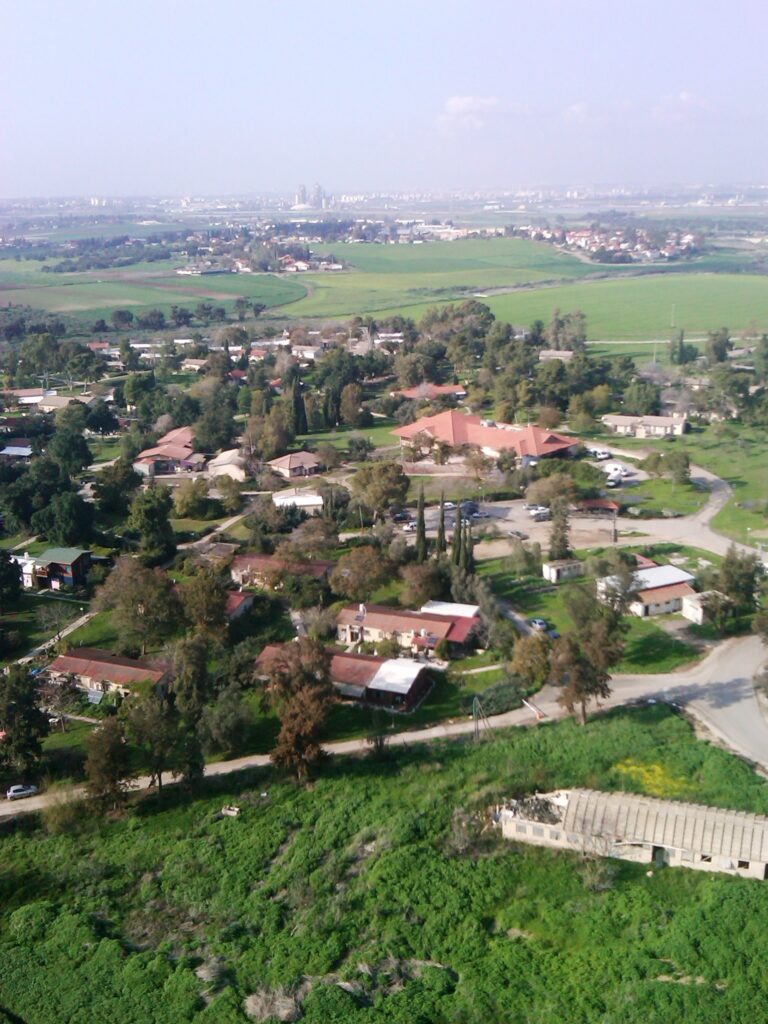
Kibbutz Gezer is a kibbutz, or cooperative settlement, located in Central Israel. Originally founded in 1945, the kibbutz disbanded in 1963 and reestablished by a group of young Americans in 1973.
Economically, Gezer like many kibbutzim has changed and continues to change to fit the needs of the members and to adapt to surroundings and changes in Israeli society. While members are economically independent, Gezer has several commonly owned businesses, including a large dairy, farmland, olives, daycare and after school care (from infants to high school), second-hand shop, library, and grocery store. Our community governs itself through several committees including a central leadership committee, and via 3 elected leaders. Community meetings and direct voting decide crucial issues.
We support religious freedom, with a reform synagogue open to all who wish to attend. Jewish and state holidays are celebrated together in homemade fashion.
The physical design of the community is amenable to communal living. A ring road provides access to homes and businesses, while the center is car-free.
When founded in the 1970’s Gezer was into vegetarian, organic food and getting back to the land back, and was considered by our neighbors as American hippie. We take pride in that, although some of us have gone straighter. Our younger generation is picking up the momentum, and the community has a growing environmental and agricultural awareness. We have a new ecological garden, community gardens, and recycling center. We grow organic olives, spices, and lemons. An environmental committee open to everyone organizes events and meetings and tries to bring a more sustainable outlook to the community. Our social action committee helps communities and individuals in need, including 2 refugee families who now live with us. We recently installed solar panels on the roofs of the cowsheds, and are looking into expanding.

  • Purpose
  • Ecological
  • Languages
  • Hebrew
  • English
  • Community type
  • Ecovillage
  • Intentional Neighborhoods
  • Land-Based Communities
  • Activities
  • Permaculture

Commemorative dates

  • January 1, 1944
  • Started living together

Gallery

  • Not open to new members
  • Open to visitors
  • Open to volunteers
Total
300

How to join

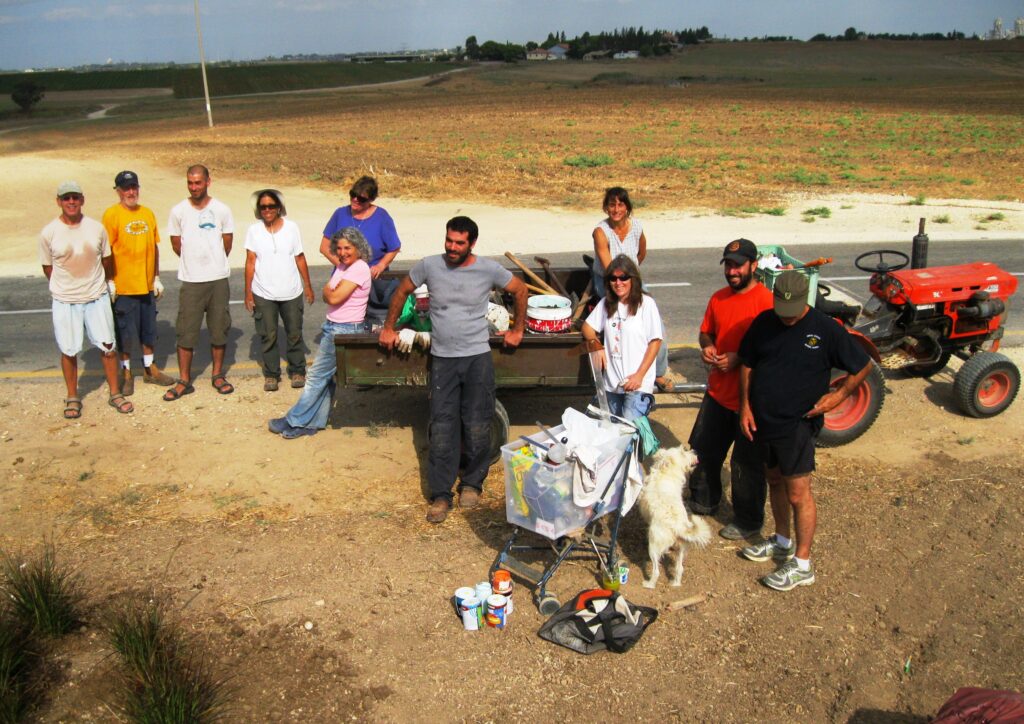
We look for wwoofers and volunteers during the olive harvest, from mid-October until January. It is also a good opportunity for people to learn about kibbutz gezer and meet its people.

Guest Book

Written reviews are available for plus members. Click here to upgrade.

Location

  • Israel

Kibbutz Gezer

Promoted Needs and Offers

  • Events
12 years ago

Curso de BioconstrucciĂłn

Queremos ofrecer un Curso en el que aprender, experimentar y profundizar en algunos aspectos de la BioconstrucciĂłn, de manera profesional, familiar y cercana al mismo tiempo. La BioconstrucciĂłn es un campo muy amplio, por eso hemos decidido dividir este curso intensivo en 2 MĂłdulos especĂ­ficos: El Primer mĂłdulo es Fuego y Barro, y en el trabajaremos elementos como: Estufas de masa tĂ©rmica, hornos de leña, estufas rocket, adobe,….. Aprendiendo a construir con materiales sanos y naturales, adaptados a nuestro hogar y necesidades; para obtener una mayor eficiencia, salud y calidez en nuestro hogar y cuidar el medio ambiente al mismo tiempo. EL segundo mĂłdulo es BioconstrucciĂłn: Yurta, domo y cañas., y en este trabajaremos la construcciĂłn de estructuras tales como: domo geodĂ©sico, yurta, techos de cañizo, arcos y columnas de cañas, que pueden ser utilizadas para construcciĂłn de pĂ©rgolas, invernaderos, sombreados, escenarios y mucho más….; todo ello con materiales locales vegetales: caña y pita (ágave). Las personas interesadas pueden apuntarse a los dos mĂłdulo o tambiĂ©n solo a uno, el que más les interese. El grupo va a ser reducido, entre un mĂ­nimo de 4 y un máximo de 6 personas; Gran parte del aprendizaje será práctico y de trabajo manual, combinado con momentos de explicaciĂłn teĂłrica. Incluiremos videos documentales y power points, en algunas tardes y veladas, sobre: estructuras de caña, estufas de masa tĂ©rmica, trabajo en barro, ….y más aspectos de bioconstrucciĂłn en que l@s participantes estĂ©n interesad@s. Facilitan Jef Carrick es el profesor principal del curso. Tiene mas de 15 años de experiencia en bioconstruccion en Reino Unido. Durante los ultimos 3 años ha trabajado en España el Proyecto Sunseed enseñando a voluntari@s, como mentor de estudiantes universitari@s y realizando numerosos cursos de bioconstruccion y estufas. Su especialidad son el diseño y construccion de estructuras de caña y otros materiales naturales, asĂ­ como las estuf
  • Events
13 years ago

CANYAVIVA

El mètodo CanyaViva (www.canyaviva.com) utiliza la caña mediterrànea (Arundo Donax) para la realizaciòn de estructuras orgànicas integralmente sostenibles, armònicas y estables. El curso es una formación teórico-práctica en tres modulos. Modulo 1: limpieza, clasificación, fabricación de columnas y doblaje de arcos Modulo 2: montaje de la estructura Modulo 3: especializaciòn en cubriciòn El método de construcción de CanyaViva, comenzó con la observación de la caña en su estado natural y los espacios en el rio creados por ella al crecer. Tras el contacto inmediato con la planta se definieron los pasos y parámetros del método CanyaViva que optimizan el uso del material para construir estructuras flexibles y orgánicas, pero también fuertes y estables, capaces de resistir vientos, inundaciones e incluso terremotos. CanyaViva es un modelo de construcción que respeta la naturaleza como principio fundamental. Queremos ampliar el uso de materiales naturales, realmente abundantes y renovables. Además la limpieza de cañaverales y bambudales ayuda a prevenir incendios y riadas, estimula el crecimiento de la planta, favoreciendo la fijación de grandes cantidades de CO? y mejora la calidad del material año tras año. Entendemos cada uno de nuestros proyectos como un lugar de encuentro social, un campo de trabajo, de aprendizaje, de investigación así como de intercambio de conocimientos. in***********@***il.com

Update to a Public Profile

  • Log in
  • Go to your profile page
  • Toggle on the "Put me on the People Map"
  • Save your profile

Information

Communities

A residential project: people live here as their primary home.

Organizations

An institution, business, network, or project that isn’t a residence (e.g. a learning center, farm, or network with no one living there full-time).

Become a + Community Member

  • Find people based on your community tool
  • Post Needs & Offers Listings and Events
  • Access to resources in the Members Library
  • Member badge on your community profile
  • View communities detailed reviews
  • Create Private Groups
I am an official member of this community
Disclaimer
I affirm that my information is accurate and I am authorized to manage this listing

Free Plan

Free plan
Free

Intentional Advertising

  • Subtotal

    {{ currencyFormat( pricing_summary.total_amount ) }}

Become a + Member

  • Find communities based on your profile tool
  • Post Needs & Offers Listings and Events
  • Access to free resources in the Members Library
  • Member badge on your profile
  • View communities detailed reviews
  • Create Private Groups