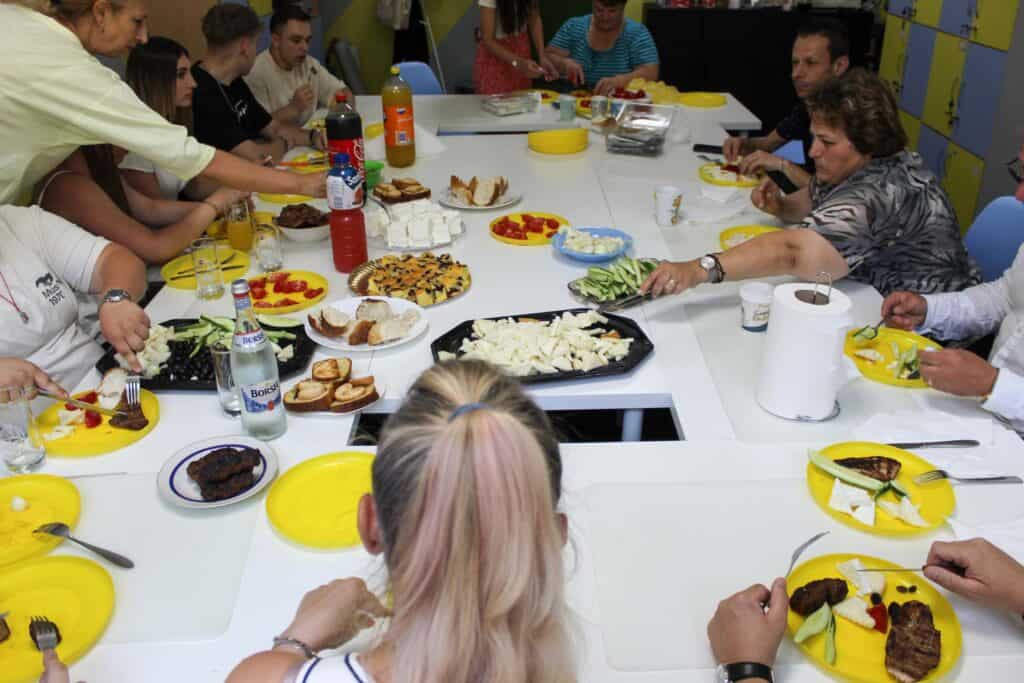
Communities rarely disappear because they run out of natural resources. More often, they lose the ability to cooperate. As trust weakens and relationships fragment, communities become increasingly dependent on external solutions instead of their own collective strengths.
VERDAVA is a living laboratory for designing communities where cooperation becomes the natural choice. We believe that belonging is a choice and that resilient communities can be intentionally designed by strengthening trust, shared learning, shared responsibility and meaningful participation.
Located in Bradu, Romania, VERDAVA is developing an open community regeneration framework that integrates renewable energy, collaborative learning, local culture, community economy and digital commons into one practical approach. Rather than treating technology as an end in itself, we use it to strengthen human relationships, expand local capabilities and increase community resilience.
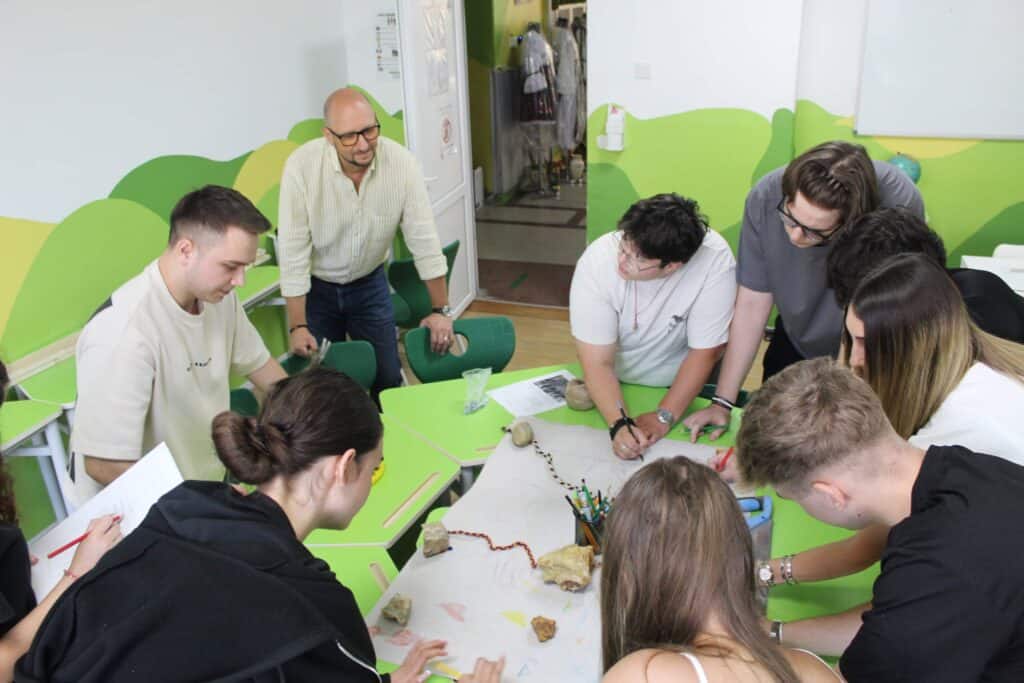
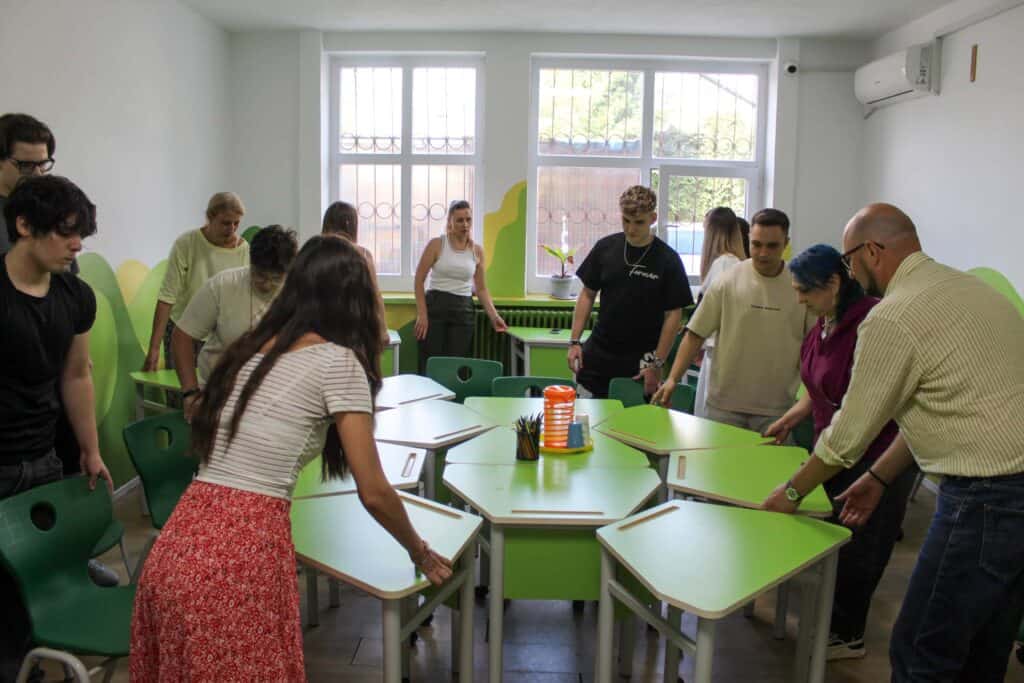
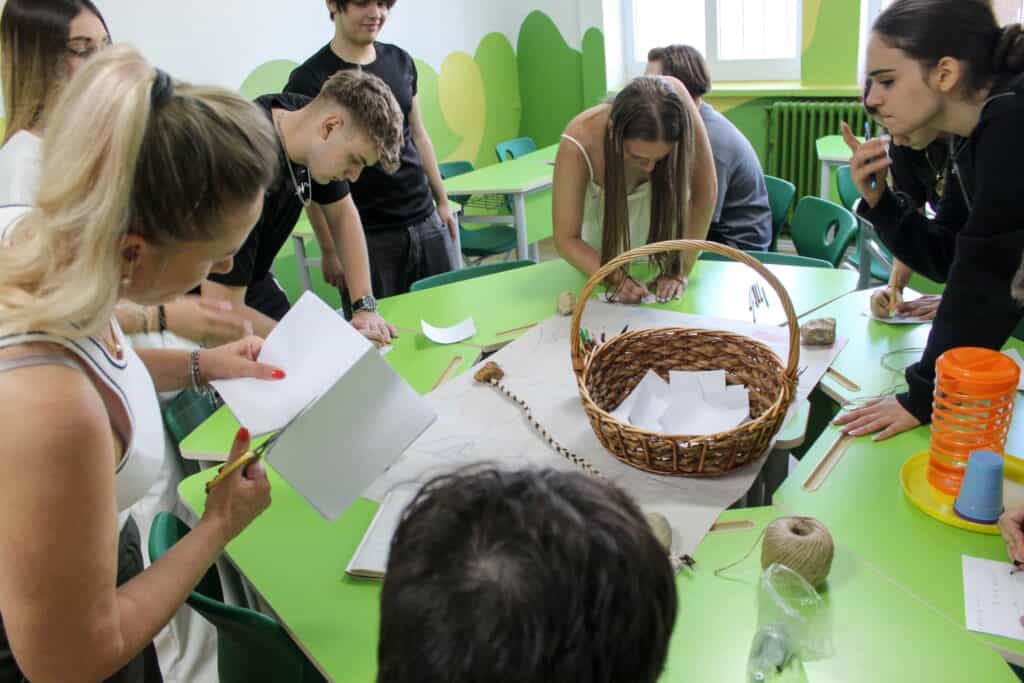
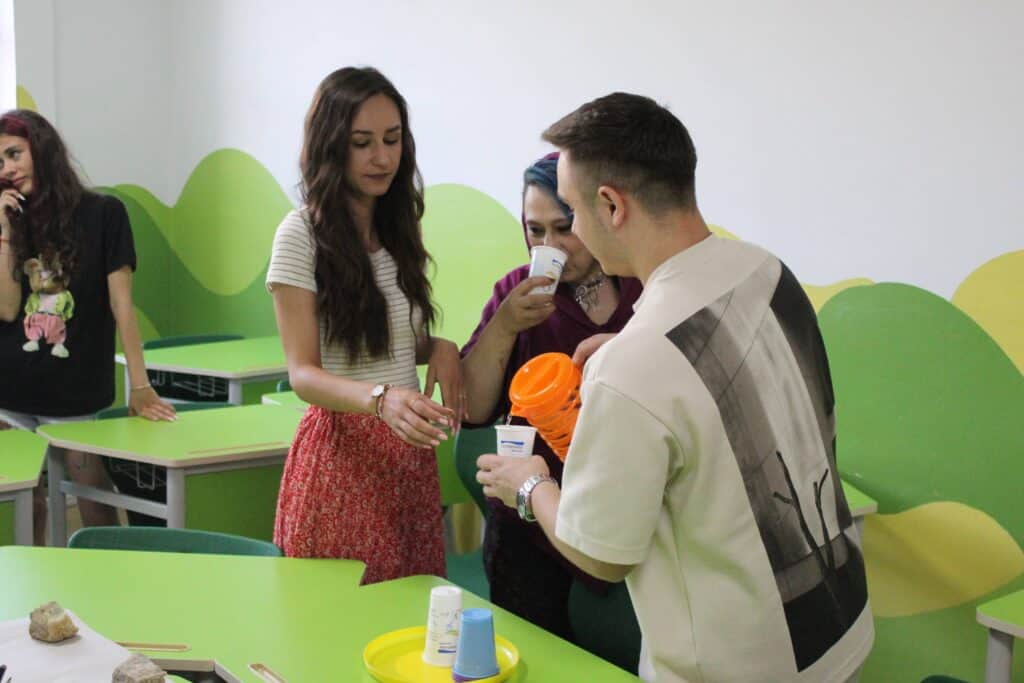
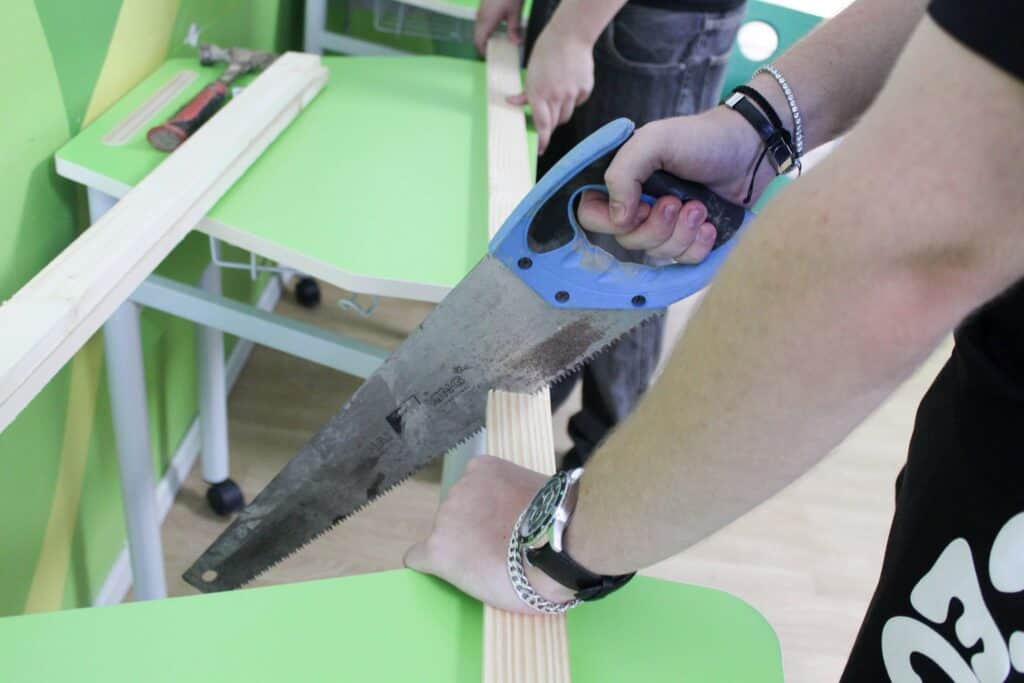
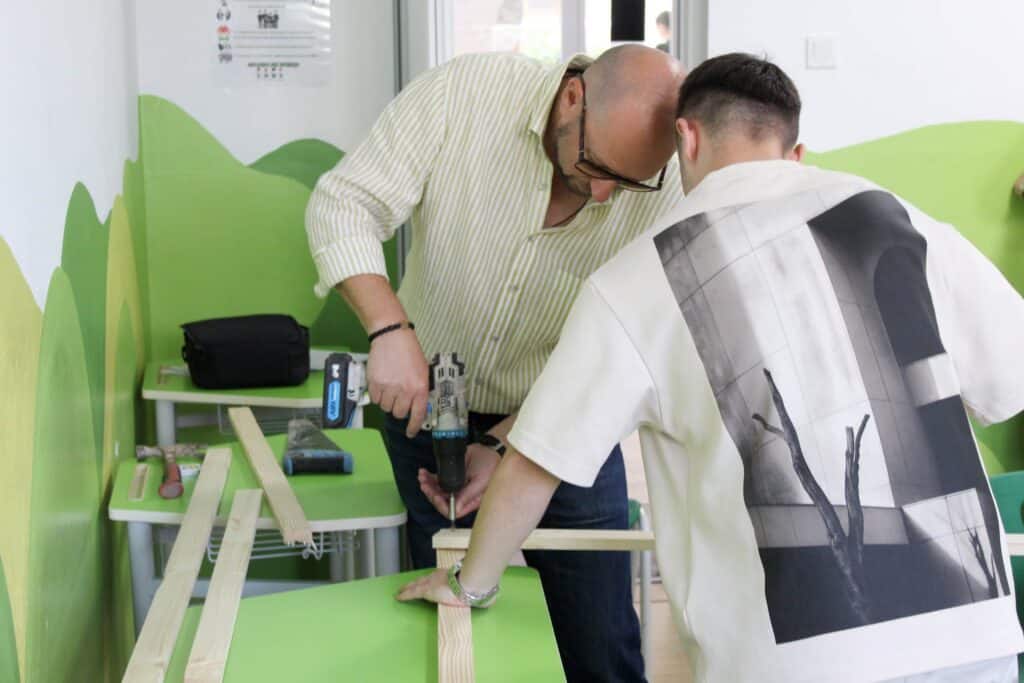
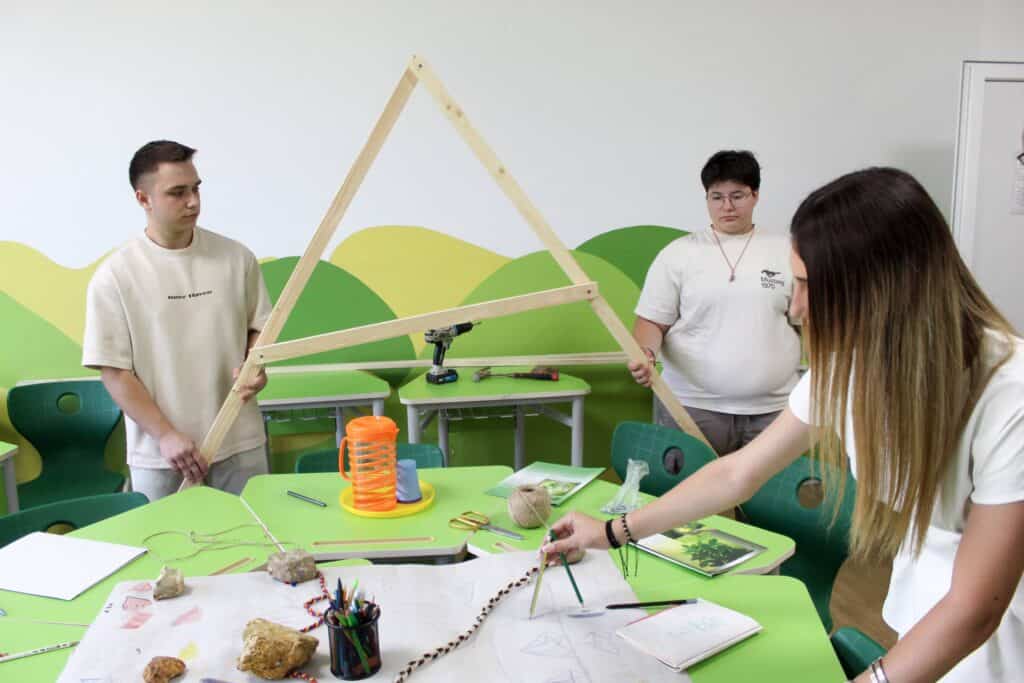
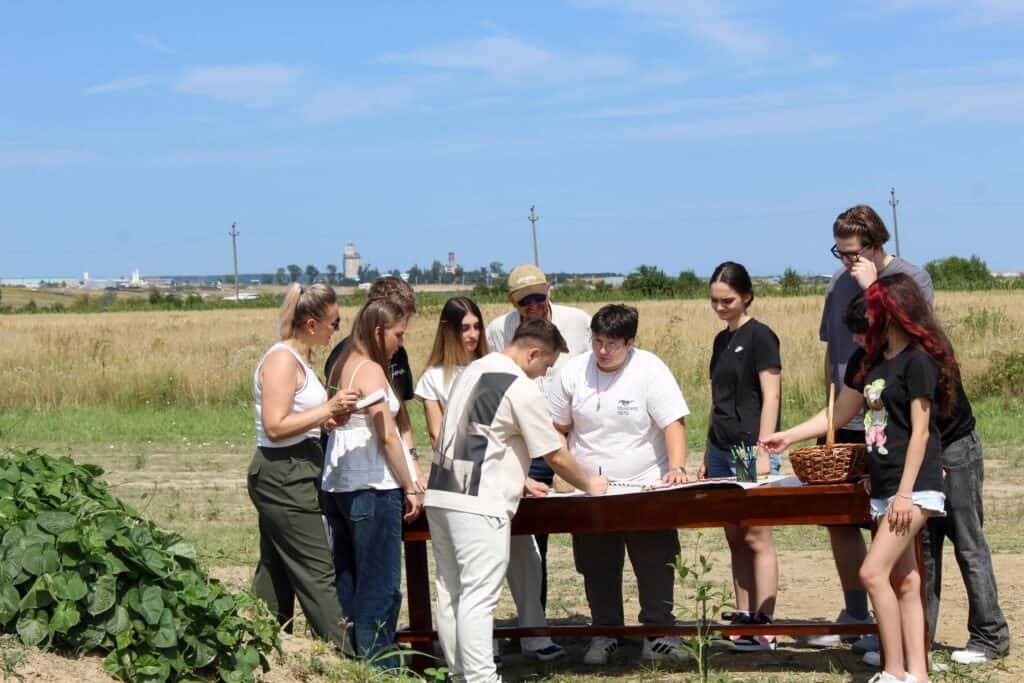
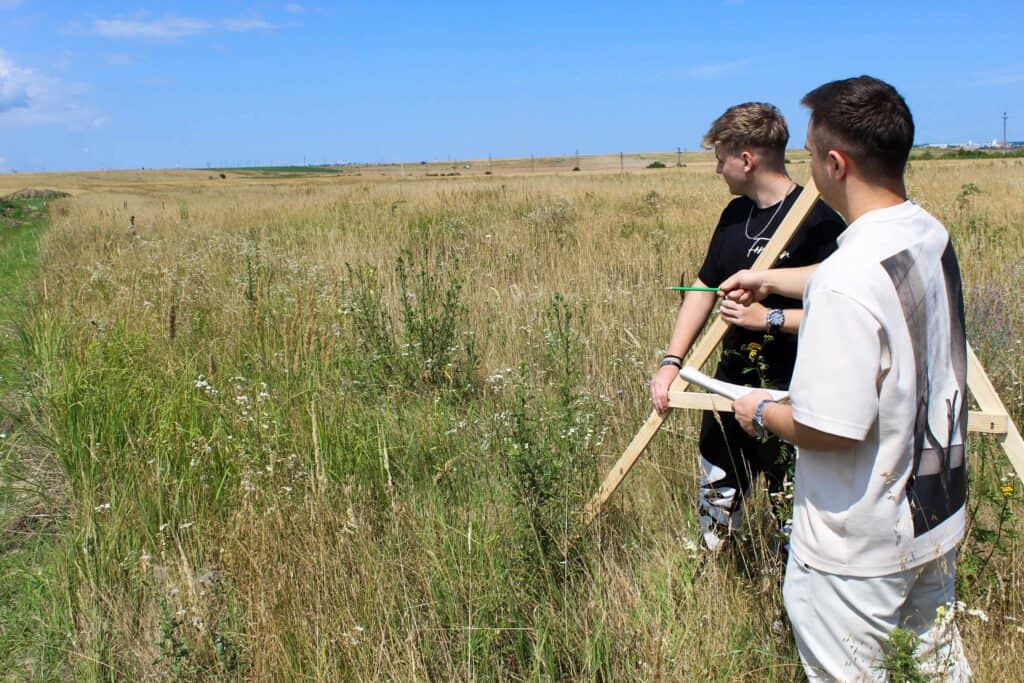
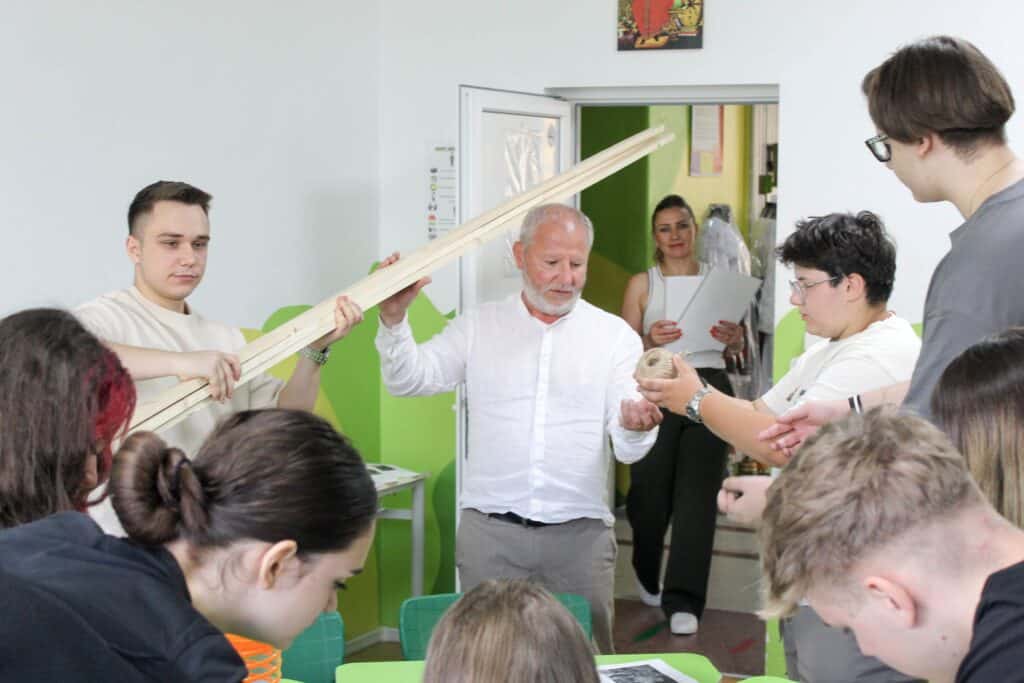
Our work is grounded in real initiatives that are already taking shape, including the RuralEnergyHub Community Energy Support Point (CESP), the Energeum Lab mobile renewable energy learning platform, and the Ecological College Campus initiative. Together, these initiatives provide practical spaces where people can learn together, make shared decisions, develop local skills and co-create solutions that respond to the needs of their community.
VERDAVA is not building a model that others should copy. We are developing an open framework that communities can freely adapt to their own culture, geography and aspirations. Our ambition is to help communities become more cooperative, resilient and capable of regenerating themselves while contributing knowledge back to a growing international commons.
We see community regeneration not as a destination, but as a continuous process of learning, cooperation and shared stewardship—one that can inspire many communities far beyond our own.
We believe that belonging is built through shared work, shared learning and shared responsibility. Membership is not defined by ownership or status, but by active participation in the life of the community.
VERDAVA welcomes people who want to actively contribute to building communities where cooperation becomes the natural choice. We value curiosity, openness, practical engagement and a willingness to learn with others. If our vision resonates with you, contact us by email to start a conversation. Depending on your interests, you may join volunteer activities, educational events or collaborative pilot projects before considering longer-term involvement. We believe belonging grows through shared action rather than formal membership alone.
VERDAVA develops place-based community clusters rather than a residential ecovillage model. People may live in existing homes while intentionally building stronger social, economic and ecological cooperation.
There are no needs and offers
We use cookies to improve your experience on our site. By using our site, you consent to cookies.
Manage your cookie preferences below:
Essential cookies enable basic functions and are necessary for the proper function of the website.
CleanTalk offers effective spam protection and website security solutions to enhance user experience.
Service URL: cleantalk.org (opens in a new window)
These cookies are needed for adding comments on this website.
These cookies are used for managing login functionality on this website.
Statistics cookies collect information anonymously. This information helps us understand how visitors use our website.
Google Analytics is a powerful tool that tracks and analyzes website traffic for informed marketing decisions.
Service URL: policies.google.com (opens in a new window)
A residential project: people live here as their primary home.
An institution, business, network, or project that isn’t a residence (e.g. a learning center, farm, or network with no one living there full-time).

{{ item.label }}
{{ item.value ? item.value : currencyFormat( item.amount ) }}
Subtotal
{{ currencyFormat( pricing_summary.total_amount ) }}
There are no results matching your search