


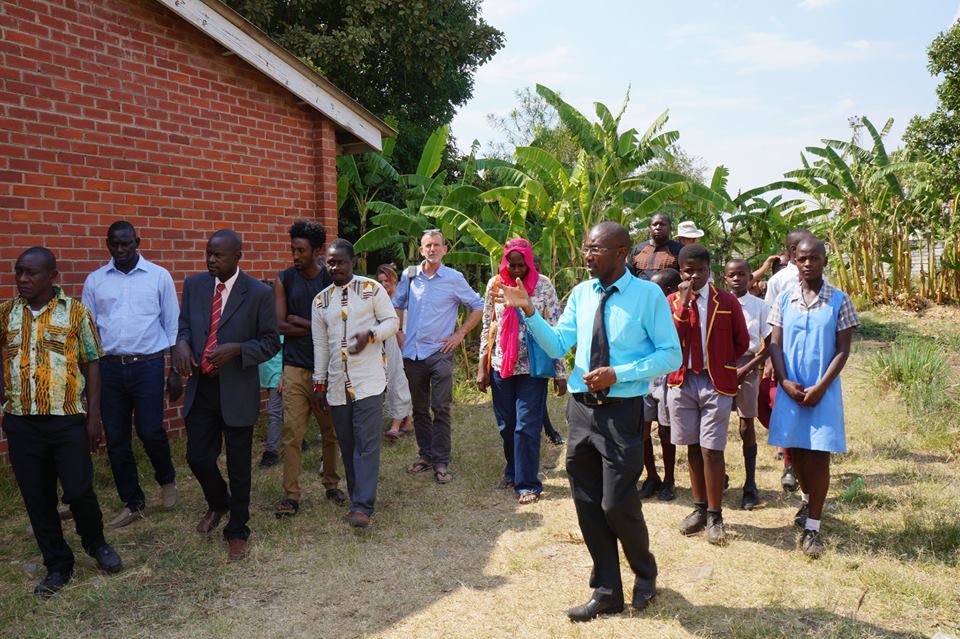
GEN Africa is the African ecovillage network, promoting social resilience, environmental protection and restoration of nature through the concept of ecovillages as models for sustainable human settlements. We actively support the development of ecovillages and networks in all parts of Africa.
GEN Africa is a membership organisation born in 2012 in Sekem Ecovillage, Egypt, with registered nonprofit status in Senegal and a close founding tie with GEN Europe. It is managed by a council of 5 members elected in December 2012 in Egypt, in addition to 3 coordinators of the youth network NextGEN and a five member Advisory Council. GEN Africa forms part of GEN International, an NGO with consultative status at the UN Economic and Social Council (ECOSOC) commission, and a partner of the United Nations Institute for Training and Research (UNITAR).
Thematic areas: education and capacity building; model ecovillages and training centres; advocacy; cultural heritage; healing and reconciliation; food sovereignty; natural resources and restoration; ethical business and fair trade; communication and information technology.
What we do: the African Ecovillage Network assists, educates and supports villages and communities towards self sufficiency, through social entrepreneurship and development of grassroots projects, while building solidarity and cooperation between people. GEN Africa makes visible the work already being done on the ground all over Africa, empowers African indigenous projects by connecting them to each other and to like-minded organisations worldwide, facilitates South-South and South-North exchange of inspiration, information and training, invites traditional village networks into the ecovillage network on the basis of deep respect for the wisdom they still hold, and holds a special focus on the need for North-South reconciliation work.
There are no needs and offers
We use cookies to improve your experience on our site. By using our site, you consent to cookies.
Manage your cookie preferences below:
Essential cookies enable basic functions and are necessary for the proper function of the website.
CleanTalk offers effective spam protection and website security solutions to enhance user experience.
Service URL: cleantalk.org (opens in a new window)
These cookies are needed for adding comments on this website.
These cookies are used for managing login functionality on this website.
Statistics cookies collect information anonymously. This information helps us understand how visitors use our website.
Google Analytics is a powerful tool that tracks and analyzes website traffic for informed marketing decisions.
Service URL: policies.google.com (opens in a new window)
A residential project: people live here as their primary home.
An institution, business, network, or project that isn’t a residence (e.g. a learning center, farm, or network with no one living there full-time).

{{ item.label }}
{{ item.value ? item.value : currencyFormat( item.amount ) }}
Subtotal
{{ currencyFormat( pricing_summary.total_amount ) }}
There are no results matching your search


