
Ecovillages featured in IPCC report

Anna Kovasna
  • April 12, 2022
  • Sustainability

Earlier this month the International Panel for Climate Change, IPCC, published the final part of their Sixth Assessment Report, Mitigation of Climate change – featuring the Findhorn Ecovillage Community on the cover.

The picture shows the East Whins cohousing cluster, part of the Findhorn ecovillage, with superinsulated adjoining homes built with ecological materials. The buildings face the equator for maximum solar gain. They are topped with solar PV and water heaters and have rain barrels and integrated greenhouses. Each home is fronted by outdoor raised bed gardens, paved biking/walking trails, and a common green. Living in Findhorn, I also know that East Whins is hooked up to our cooperative wind farm and has five charity-owned affordable and accessible housing units, as well as its own district heating biomass boiler, shared laundry, community space and kitchen, library, orchard, and a playground. Its residents use sociocracy to govern their shared life and assets. It’s not perfect – but it is a very real example of what a life designed with the mutual thriving of human and non-human nature can look like at our northern latitude.

And it’s not just a picture. As GEN founder, Elder and longstanding climate activist, author and ecovillager Albert Bates points out in a blog post which I highly recommend reading:

“Even more significant than the cover art was the final paragraph in the conclusion section of the 3676-page report. In the considered opinion of the 1000+ top climate scientists, what the world needs most is ecologically aware and socially innovative experimental communities that network with each other and provide educational outreach and positive examples of a better world.”

The paragraph Albert refers to says “Indeed, transitions require an examination of the role of values, attitudes, beliefs and the structures that shape behaviour, as well as the dynamics of social movements and education at multiple levels. Likewise, technological and social innovation both play an important role in enabling transitions, highlighting the importance of multi-institutional and multi-stakeholder actors building institutional support networks, facilitating collaboration between sectors and actors, and promoting learning and social change.

Systems-oriented approaches, which holistically address the intersections among climate, water and energy (for instance), have significant potential to reveal and help avoid trade-offs, foster experimentation, and deliver a range of co-benefits on the path towards sustainable development.

This is us. Ecovillages are designed to do this – and have been doing it for decades. GEN started in 1995. This year Findhorn Ecovillage celebrates 60 years as a community. At the same time, that it is an ecovillage in the global north that graces the cover of the report is perhaps indicative of things that are still not right in the global discourse on climate change. Many of our traditional and indigenous member ecovillages have existed for centuries and experienced the effects of climate change earlier than most. Yet, globally, the expertise, knowledge, and experience of communities like theirs are often sidelined in favour of science and tech-heavy solutions and interventions that continue to exacerbate injustice. In GEN, these ecovillages are lighting the way for others, acting as teachers and elders in their regions, countries, and globally. Maybe the cover should have been one of them?
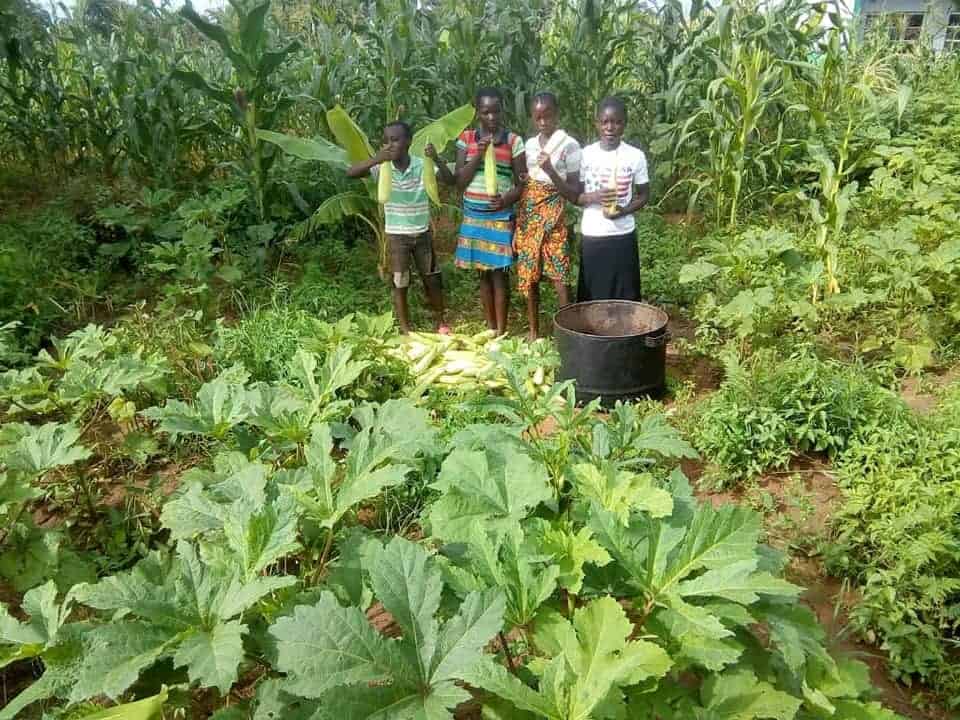
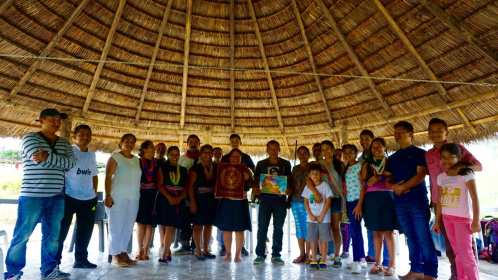
  • Bafut ecovillage, Cameroon
  • Ghana Permaculture Institute
  • Musu Runakuna, Colombia

Still, I celebrate this real win for our movement and feel deeply called to get even better at addressing social and ecological justice, diversity, and inclusion in our work and ways of being together.

Instead of writing more, I would like to point you to a few great resources I have come across:

  • This video from Extinction Rebellion translating the often technical language of the report to something more clear and easy to take in – this one about the second part of the assessment, on Impacts, Adaptation and Vulnerability.

Comments

Featured Blogs

Keep the conversation going with these pieces

Codicts Dev
Fri Jun 2014
Nos envían esto desde ECOLISE, que somos nosotras mismas junto a varias organizaciones europeas similares en asociacación con las redes de Permacultura y de Pue…
Codicts Dev
Fri Jun 2014
http://comuntierra.org – Video que explica lo que són las Danzas de Paz Universal, un movimiento espiritual, que a través de meditaciones danzadas en grupo, es …
Codicts Dev
Sun Sep 2015
Ecovillage Network logo with sun and moon symbols in purple.
Ecovillage Network logo with green leaves inside a circle.
Ecovillage Network logo with a heart-shaped handshake symbol.
Logo of the Global Ecovillage Network with a stylized flower design.
Logo of the Global Ecovillage Network with interconnected figures.
No one leaves home unless home is the mouth of a shark you only run for the border when you see the whole city running as well your neighbors running faster…
Codicts Dev
Wed Jan 2014
  • Living in community
  • Economics & Law
Escrito dirigido a la reunión de invierno de 2014 de la RIE Asunto: Renuncia de Ulises Libre a solicitar su admisión como miembro permanente. Todo lo qu…
Codicts Dev
Sat Mar 2015
In front of the largest football stadium in Argentina lies an intentionally sustainable community. This is the ecovillage VelaTropa, located in the city of Buen…
Codicts Dev
Sat May 2014
Join the dynamic interaction between users and projects. Offer or search items, services, land & houses or even funding in the ‘marketplace’. Organize your …
mónica cebada
Wed Jan 2012
muy buenas, me ofreci para llevar documentos administrativos a donde sea necesario de madrid para cerrar el lio burocrático. a quien me dirijo, alf?, mauge?, m…
Codicts Dev
Sun Jun 2014
  • Sustainability
Kartong in The Gambia is a special place, with a wealth of, hitherto, unrecognised assets including unspoilt, deserted beaches, and great tourism potential. Fro…
Codicts Dev
Thu Oct 2015
Ecovillage Network logo with green leaves inside a circle.
Biogás en Arterra por Alex A finales de abril del 2015 y con la ayuda de la Ecoaldea Lakabe y Arterra Bizimodu, asistí al seminario sobre biogas que TH…
Global Ecovillage Network
Fri Mar 2014
“Africa will become independent when the intellectuals of the continent connect to their roots. When academics, instead of taking a white collar job, share and …

Insights & Stories from the Communities Movement

Subscribe to our newsletter for fresh stories and community updates delivered to your inbox.

Go Deeper

Get Plus and connect deeper with direct messaging, vetted content, private groups, and more.

Information

Communities

A residential project: people live here as their primary home.

Organizations

An institution, business, network, or project that isn’t a residence (e.g. a learning center, farm, or network with no one living there full-time).

Become a + Community Member

  • Send Direct Messages and see contact information
  • Find communities based on your profile tool
  • Post Needs & Offers Listings and Events
  • Access to resources in the Members Library /// like vetted documents uploaded by communites (e.g. bylaws )
  • Member badge on your profile
  • View communities detailed reviews
  • Create Private Groups
I am an official member of this community
Disclaimer
I affirm that my information is accurate and I am authorized to manage this listing

Free Plan

Free plan
Free

Intentional Advertising

  • Subtotal

    {{ currencyFormat( pricing_summary.total_amount ) }}

Become a + Member

  • Send Direct Messages and see contact information
  • Find communities based on your profile tool
  • Post Needs & Offers Listings and Events
  • Access to free resources in the Members Library
  • Member badge on your profile
  • View communities detailed reviews
  • Create Private Groups