Green Village Chhattisgarh

Global Ecovillage Network logo with a flower and leaf design in purple and blue.
  • Communities

About the Communities

  • Established
  • English
  • Ecological
  • Rural

What we do

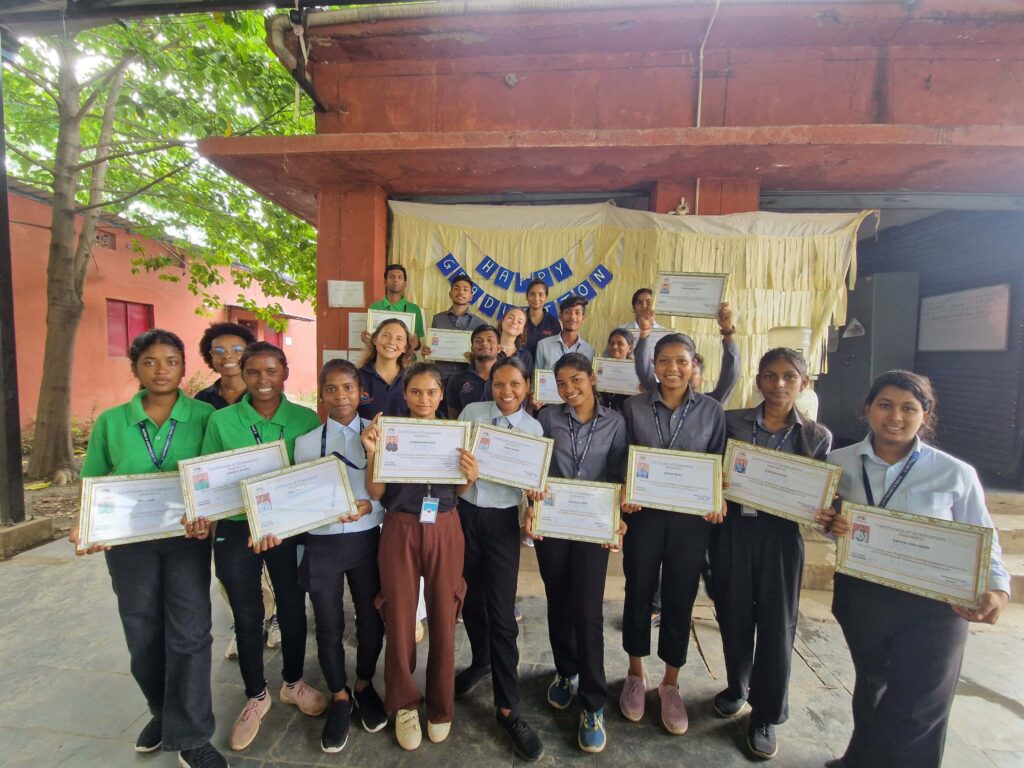
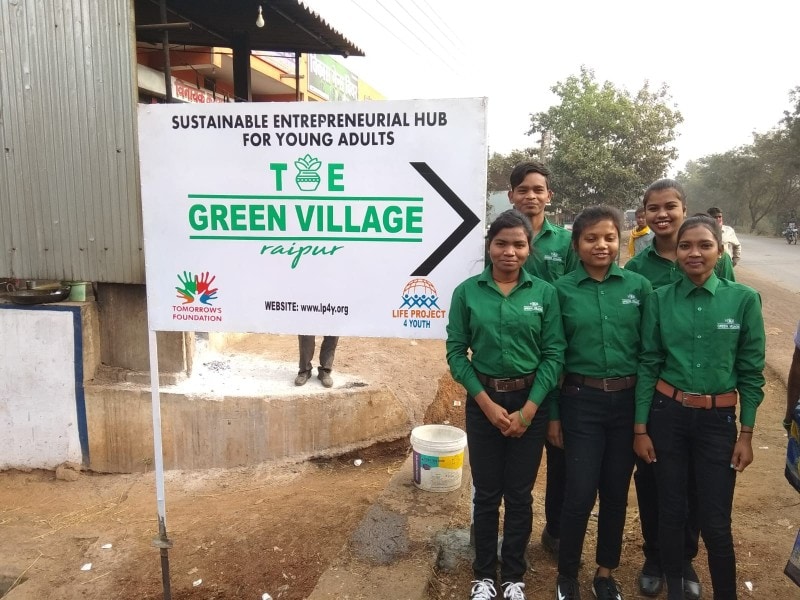
As specialists of Youth Inclusion, Life Project 4 Youth responded to the call of local officials to establish the Green Village in Chhattisgarh: An entrepreneurial sustainable hub providing a solution boosting the professional inclusion of 200 Youth per Year. It is also a community eco-village and catalyst oriented as the Youth host events and learning activities with the community in order to share professional decent world, digital inclusion and environment preservation.
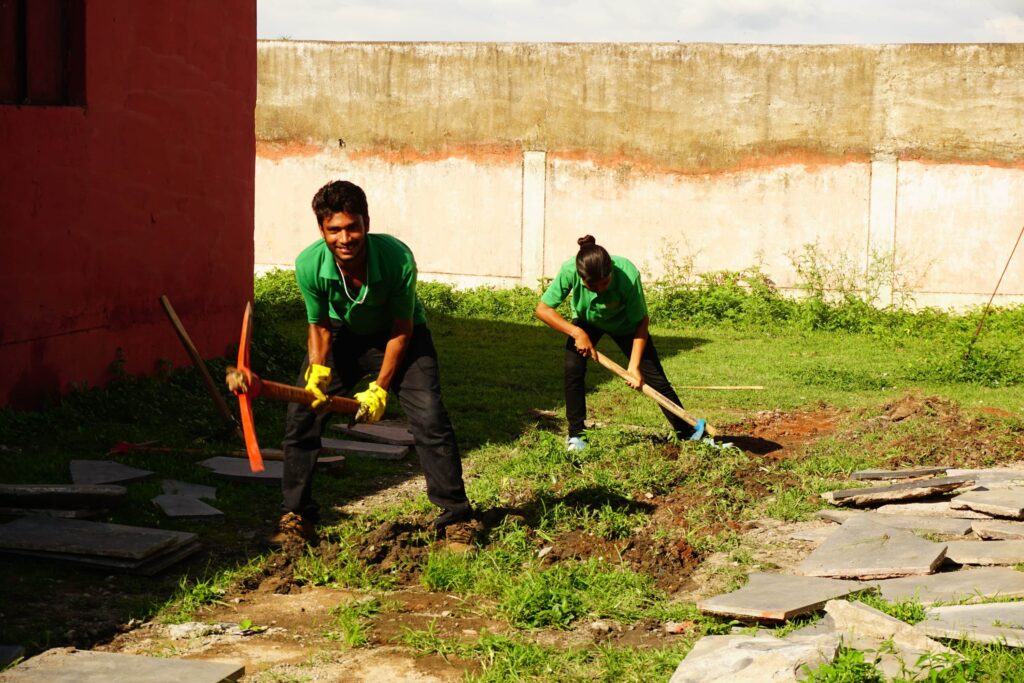
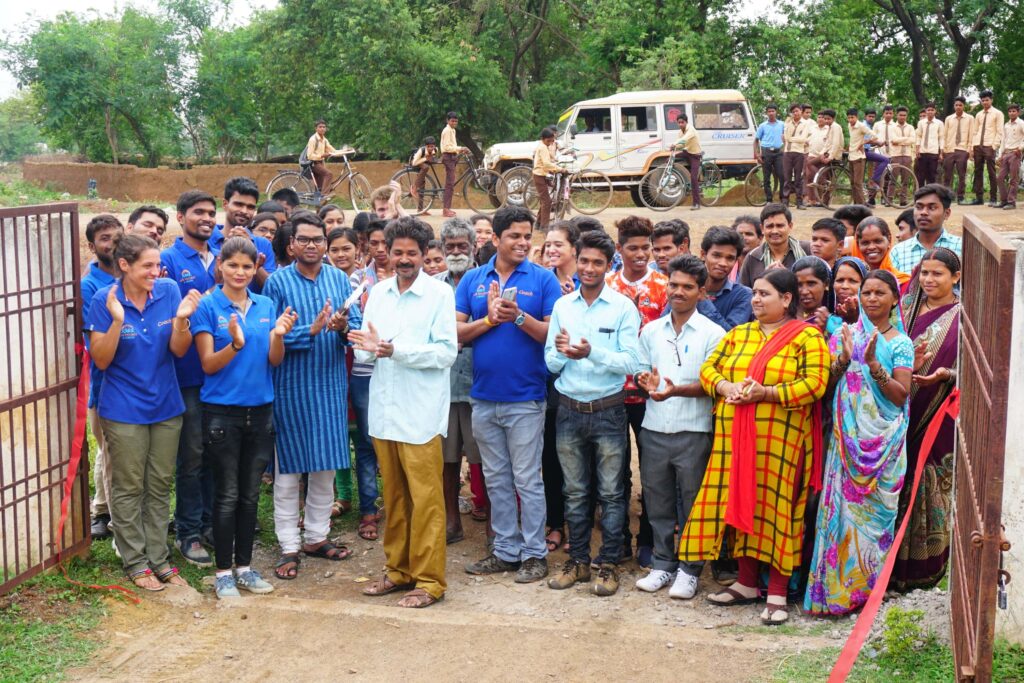
In 2018, the team focused their attention on the village of Saragaon, in the “rice bowl state” of India, Chhattisgarh. A place challenged by its rapid urban development, yet facing rural challenges and limited access to many resources. In this middle-sized village (7,000 inhabitants), an ancient market place, abandoned, was offered to renovate by the government to the LP4Y Catalysts. From the ruins, was born the Green Village Raipur.
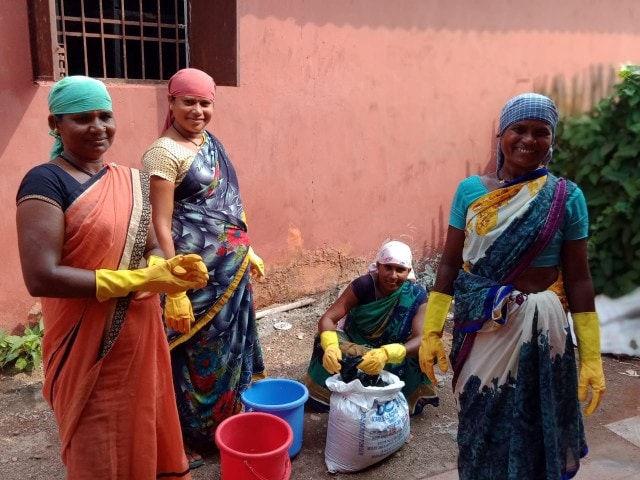
Green because of its renovation consciousness and sensitization to the trained Youth ; through steps of dishwashing, reduced use of water, electricity, use of ecological cleansers such as bioenzymes and coupled actions with NGOs advocating for a cleaner, more ecological India.
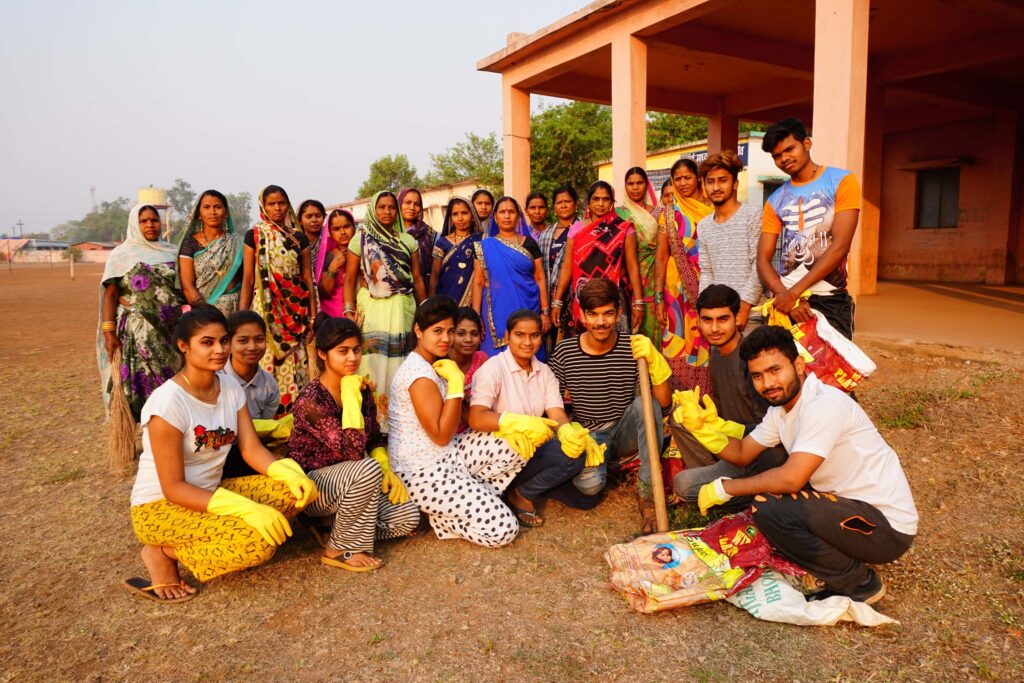
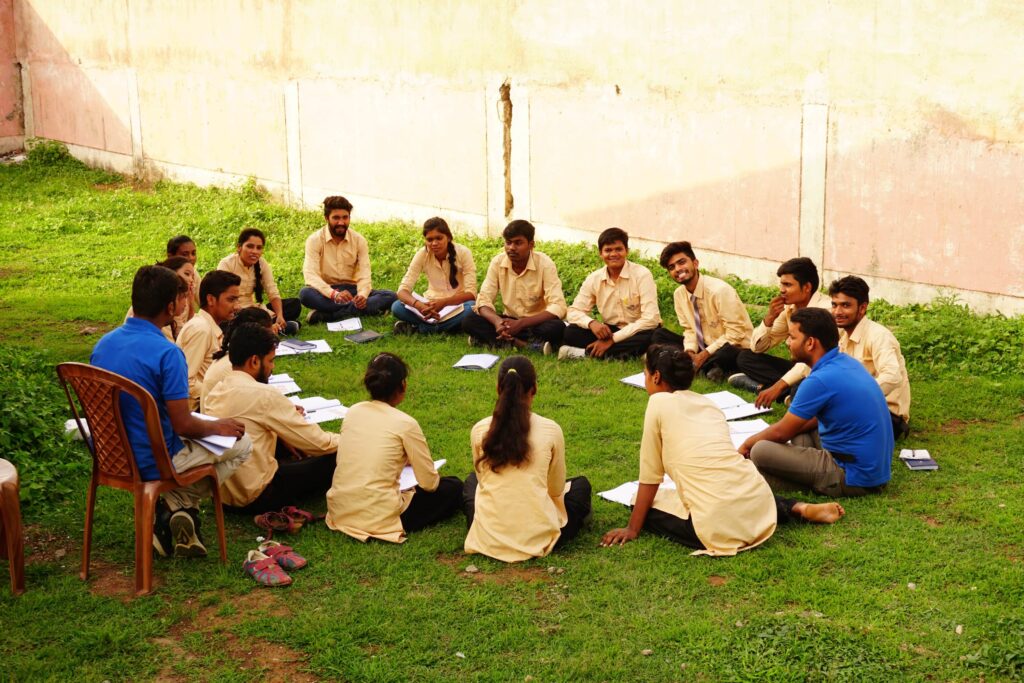
Village because of its powerful link with the village community, through its ecosystem, Youth from LP4Y are true actors of change and organize since 2019 Community activities, which are designed to highlight the importance of social bonds and citizenship as learning activities to empower their community, but also trash challenges, sport events…
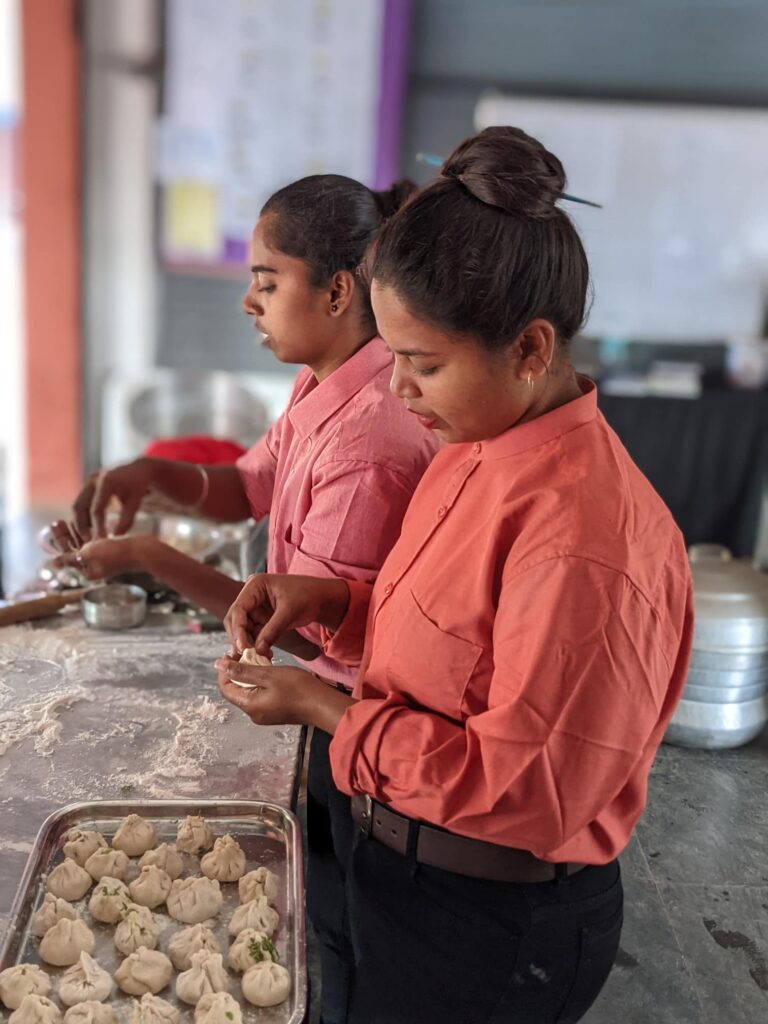
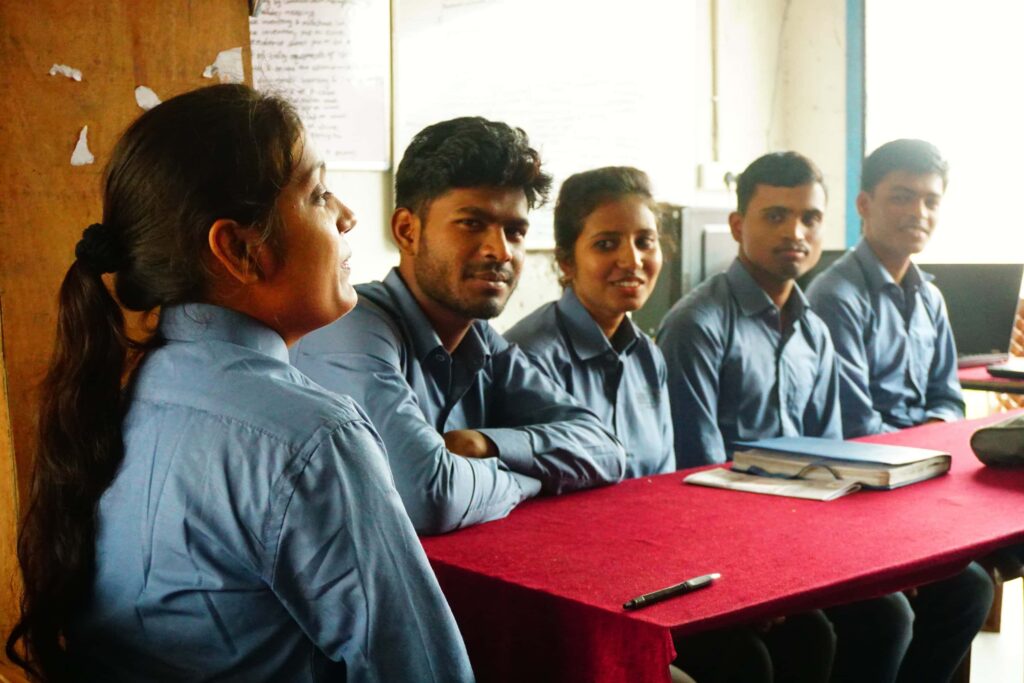
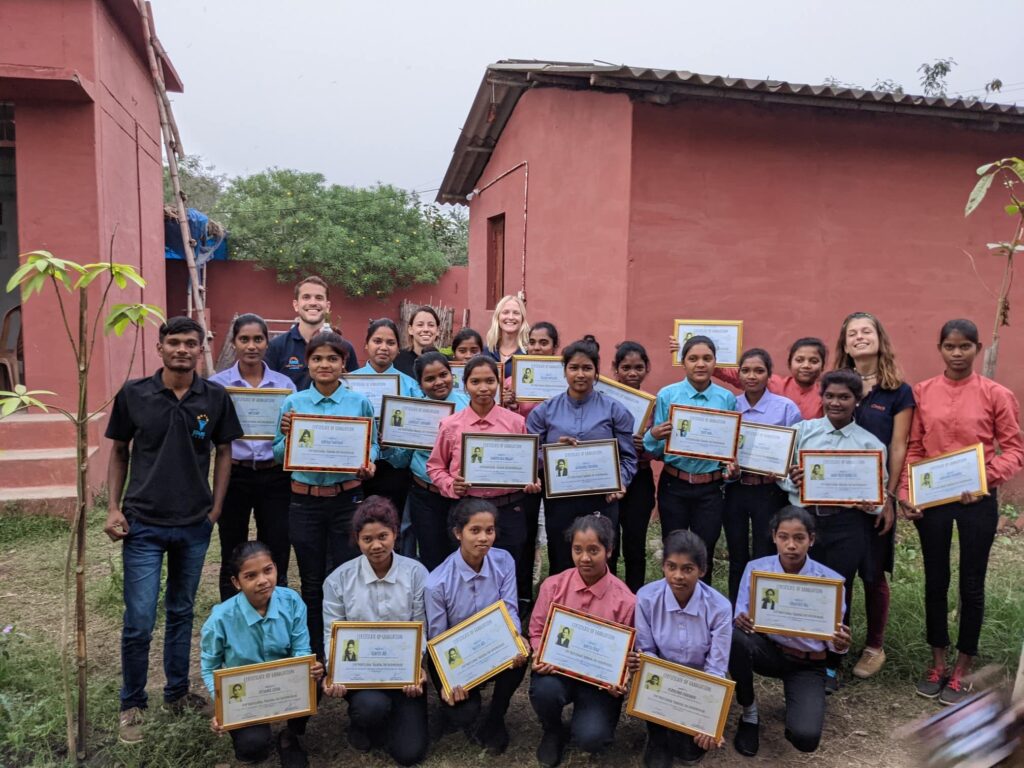
Sustainable Entrepreneurial Hub because, in the shape of a 3 month business game training, based on learning by doing methods, the Green Village welcomes and nurtures the skills of the young future professionals of India. They become Young adults able to look for and keep a job autonomously, for the rest of their life. Backed with daily LP4Y support, they find employment by themselves and break the cycle of poverty and exclusion of their family.

  • Purpose
  • Ecological
  • Languages
  • English
  • Hindi
  • Community type
  • Youth-led
  • Ecovillage
  • Intentional Neighborhoods

Video

  • Open to new members
  • Open to visitors
Total
50

How to join

If you want to join or have more information about the project to:
– become volunteers
– organise event
– become partner
– register new trainee
please contact us : co*****@**4y.org

Guest Book

Written reviews are available for plus members. Click here to upgrade.

Location

  • India

Green Village Chhattisgarh

Promoted Needs and Offers

  • Events
13 years ago

Learning from the Natural World (

Funds available for Europeans citizens and non-spanish! Registration Deadline 10 september- – Applycation Deadline for EU Funds – 17 September Applicants for this Course may apply for a Grundtvig Grant, please find the information below. OBJECTIVES To reflect on the development of European citizenship and identity, and the role that the natural world has within this framework; To discuss the notion of “nature rights” and the ecoCitizen To reflect on the 50th anniversary of Martin Luther King’s “I have a dream” speech; to imagine the future of Europe and European citizenship To introduce the learning pedagogy and methodology of Paulo Freire: how can we bring the natural world into the learning environment? How can we create spaces that nurture learning for liberation? How can we facilitate experiential and participatory learning styles? To clarify how the lessons learned can impact on practice in the workplace METHODOLOGY The trainers will use a facilitative approach, eliciting the experience, knowledge and skills of the participants as a key resource throughout the course. An action-reflection cycle will be introduced. The pedagogy of Paulo Freire will be modelled as a participatory and experiential teaching/learning methodology. The collective skills and experiences of adult participants are a key resource in learning; Freire’s “listening survey” will inform the negotiated curriculum and “generative themes” (language and issues that have direct relevance and meaning for participants) will enhance meaningful learning. Freire distinguished between education for domestication (the “banking” concept, whereby adults are treated as empty vessels to be filled with knowledge by the expert teacher) and education for liberation, whereby facilitators and participants work together as problem-posers and problem-solvers, to create new knowledge rooted in their own collective experiences. Here at Sunseed we follow the same pedagogy, celebrating the crit
  • Events
10 years ago

Algo + Que la Roya Del Café

Al comenzar la cosecha de café en la Eco Aldea, nos percatamos que nuestros vecinos tienen poco o casi nada que cosechar. Sus parcelas están totalmente diezmadas. Si tradicionalmente Republica Dominicana era exportador de café, hoy su producción cubre solo un mes del consumo/anual, las importaciones representan el 92% de lo consumido Algunos, no muchos, comienzan a introducir nuevas variedades (sin conocer su origen ni comportamiento local), la mayoría se limitan a la añoranza de las pasadas bonanzas. La situación de descalabro de la caficultura Dominicana no debe exclusivamente atribuirse al nuevo brote de Roya que afecta las zonas cafetaleras. las zonas cafetaleras se encontraban deprimidas y abandonadas hace ya muchos años, practicándose una agricultura que podría definirse como “Extractiva” solo se acude al momento de la cosecha… Los bajos precios y rentabilidad negativa fortalecieron esa tendencia. La Roya, es una enfermedad transmitida por un hongo… que ha reaparecido en una nueva epidemia. Ya en 1869 se reporta una de las “primeras epidemias” de roya del café ocurrida en lo que hoy es Sri Lanca / La enfermedad fue observada por primera vez en África (1866) donde pasó desapercibida, por ser el sitio donde mayor diversidad ocurre Avelino, J. Rivas, G., (2013). Para el 2008 se informa de su presencia en Colombia y en el 2010 se reporta de la introducción de razas más virulentas de Roya en el país. Entre las posibles causas que determinan la epidemia: Se señalan: • Cambio climático • Vulnerabilidad de las variedades, dada su uniformidad (derivadas del C. Arábica) • Cepas del hongo más virulentas. • Inadecuadas /ausencia de prácticas agronómicas. entre otras… Las medidas adoptadas para enfrentar el brote epidemico de roya se han limitado a la introduccion de nuevas variedades y/o la aplicacion de fungicidas cupricos y sistemicos. Compartimos las propuestas de Graciela Godoy (2013) que ha sugerido colectar esporas del hongo en

Update to a Public Profile

  • Log in
  • Go to your profile page
  • Toggle on the "Put me on the People Map"
  • Save your profile

Information

Communities

A residential project: people live here as their primary home.

Organizations

An institution, business, network, or project that isn’t a residence (e.g. a learning center, farm, or network with no one living there full-time).

Become a + Community Member

  • Find people based on your community tool
  • Post Needs & Offers Listings and Events
  • Access to resources in the Members Library
  • Member badge on your community profile
  • View communities detailed reviews
  • Create Private Groups
I am an official member of this community
Disclaimer
I affirm that my information is accurate and I am authorized to manage this listing

Free Plan

Free plan
Free

Intentional Advertising

  • Subtotal

    {{ currencyFormat( pricing_summary.total_amount ) }}

Become a + Member

  • Find communities based on your profile tool
  • Post Needs & Offers Listings and Events
  • Access to free resources in the Members Library
  • Member badge on your profile
  • View communities detailed reviews
  • Create Private Groups