
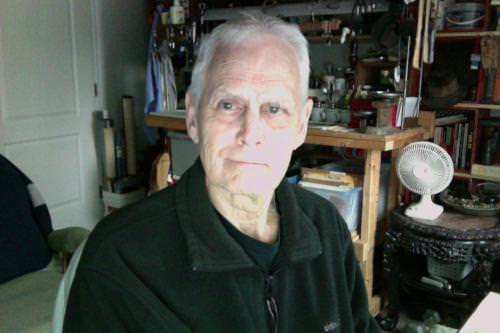
My hope is that within the Ecovillage Movement there will emerge state-financed ecovillage models for families displaced by the market that are designed to be both environmentally sustainable and maximally autonomous in food, energy, and web-based, skill enhancing education. Sustainable member employment would have two faces—an internal one composed of the work necessary to maintain community autonomy and an external one based on individual and community business involvement with the ambient market economy.
The political rationale for this redistribution of public wealth in the creation of worker ecovillages is that it is necessary to offset recent unstable accumulations of unearned wealth that has excluded so many from reliable and justly remunerative employment. By providing a guaranteed economic and educational floor for all displaced citizens it would ensure social stability.
There are no needs and offers
We use cookies to improve your experience on our site. By using our site, you consent to cookies.
Manage your cookie preferences below:
Essential cookies enable basic functions and are necessary for the proper function of the website.
CleanTalk offers effective spam protection and website security solutions to enhance user experience.
Service URL: cleantalk.org (opens in a new window)
These cookies are needed for adding comments on this website.
These cookies are used for managing login functionality on this website.
Statistics cookies collect information anonymously. This information helps us understand how visitors use our website.
Google Analytics is a powerful tool that tracks and analyzes website traffic for informed marketing decisions.
Service URL: policies.google.com (opens in a new window)
A residential project: people live here as their primary home.
An institution, business, network, or project that isn’t a residence (e.g. a learning center, farm, or network with no one living there full-time).

{{ item.label }}
{{ item.value ? item.value : currencyFormat( item.amount ) }}
Subtotal
{{ currencyFormat( pricing_summary.total_amount ) }}
There are no results matching your search

