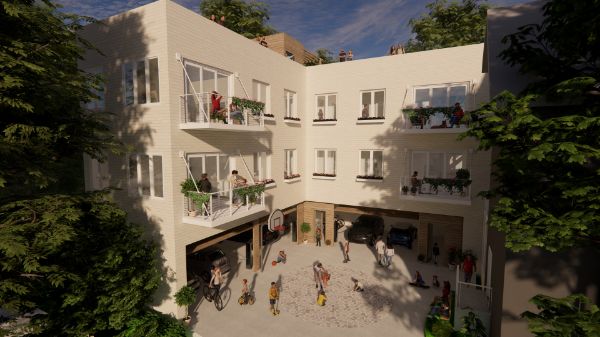
Twin Cities Family Cooperative - Intergenerational Cohousing Community

  • Communities

About the Communities

  • Forming
  • Ecological
  • Urban

Founding year

  • 2021

What we do

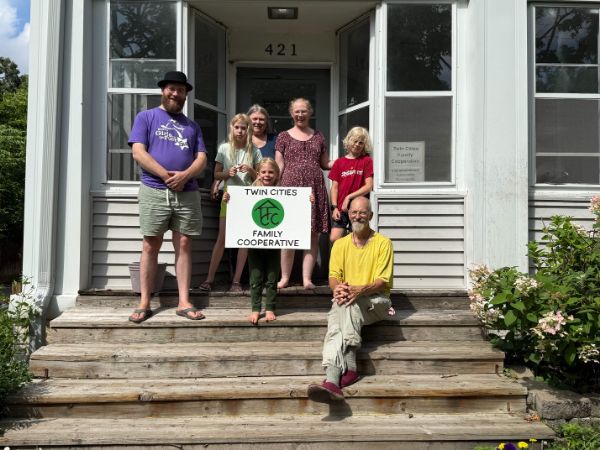
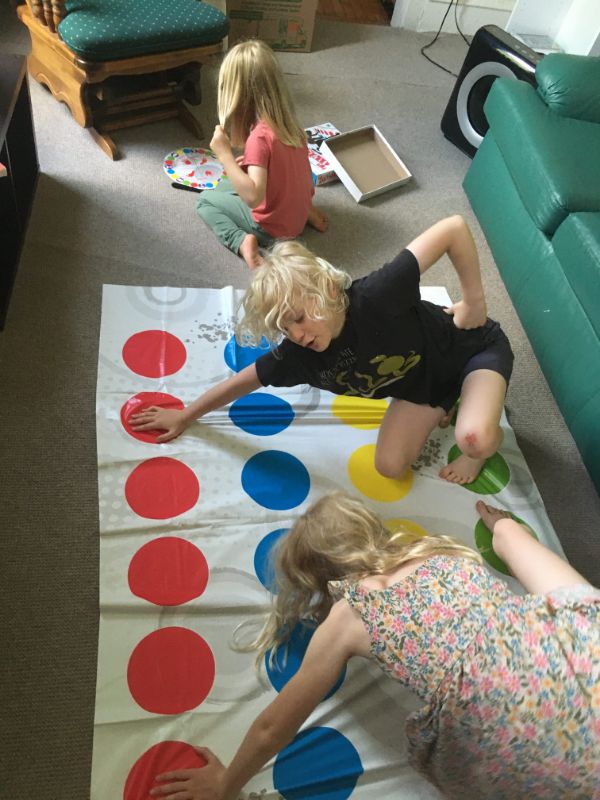
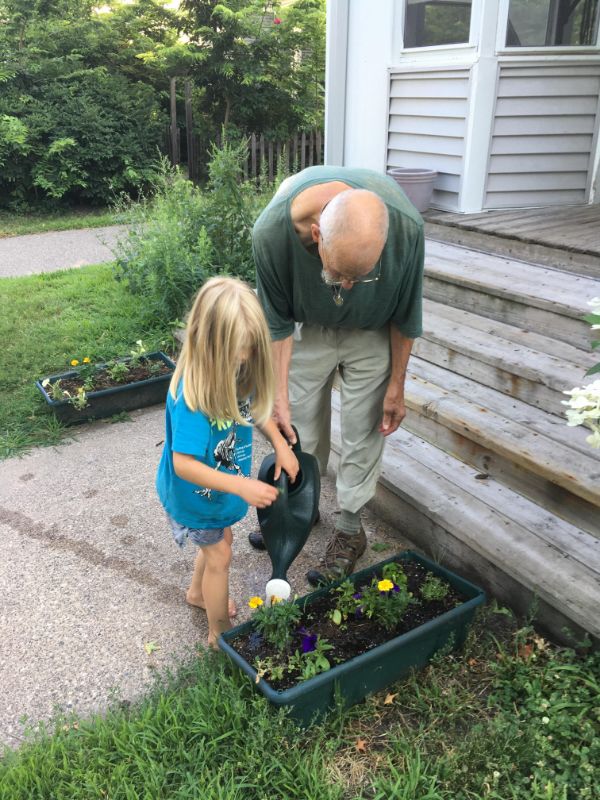
We are an intergenerational community of individuals, couples, and families. We are queer-affirming, gender-inclusive, and multicultural. We value the spectrums of the human experience and each individual’s diverse abilities. We support each other in raising children and throughout all stages of life.
We strive to live out of a place of abundance. We develop internal economic policies that actively push back against capitalist expectations.
We are committed to nonviolence and environmental sustainability. We believe in the potential for radical transformation of society and see communal living as an element of that change. We strive to make meaningful contributions to society, engaged in dismantling the systems of racism and oppression in our society.
We are households of varying sizes and we continue meeting with more individuals and families who are interested in joining. We range in age from young children to elders.
We are open to those of any religious, faith, or spiritual practice as well as those with no religious, faith, or spiritual practice. Our members include people with Quaker, Christian, and no religious beliefs.
Group decisions are made using a consensus process to come up with our best decision.
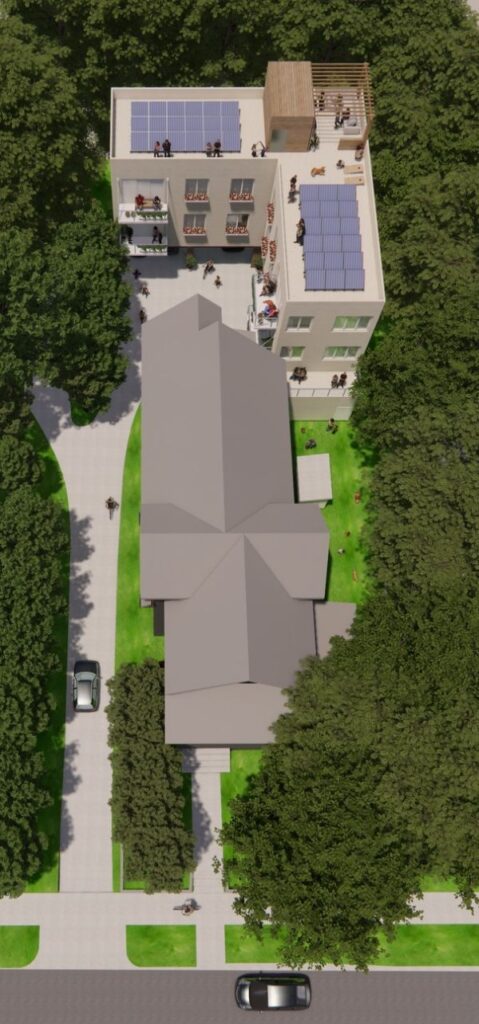
We are starting with a multi-family building with 7 units. We have shared space for cooking, eating, socializing, and working together. We plan build an expansion on this property and we continue looking for a property that would allow us to grow to 15 households. When we build our own space, we will build with the environment and sustainability in mind. Our dream land would include lots of space to garden and play in as well as space for chickens. We would love to be near woods and a creek for the children to play in, maple trees for making maple syrup, and wildlife. We also plan to be able to take advantage of public transportation and be able to walk or bike to most places.
If there’s something you dream of having and you don’t see it in our plan, maybe you’re the one to add it to our plan.

  • Purpose
  • Ecological
  • Community type
  • Cohousing
  • Coliving
  • Ecovillage

Commemorative dates

  • January 1, 2021
  • Started planning
  • January 1, 2025
  • Started living together

Gallery

  • 5 Total members
  • Open to new members
  • Open to visitors
Total
11

Primary decision-making authority

  • All Community Members Together

The whole membership decides collectively.

Decision-making process

  • Full Consensus

Everyone must agree before moving forward.

Governance structure

  • Collaborative/Horizontal

Power and responsibility are shared relatively equally among members.

Conflict resolution approach

The consensus method we use allows members to amend, rather than block, a proposal. This keeps decisions moving forward.

Economic model

  • Partial Income-Sharing

Members contribute a percentage of income to community funds.

Economic scenarios for this community

  • There is a one-time fee, investment, or share purchase to join the community separate from accessing housing
  • Members need to pay fees, dues, or similar to live there on a per month or per year basis
  • There is a labor obligation

Additional economic information

Join fee: Yes
Regular fees: Yes
Labor: Yes (10 hrs/week)
Members with pre-existing debt: allowed
All members contribute to the expenses of the community according to their ability. Members contribute 1/3 of their monthly income and those who are able, loan money to the community. Members also contribute a minimum of 10 hours of labor each week through, meal preparation, cleaning, yard work, shopping, childcare, administrative duties, etc.

Shared resources and amenities that are accessible to everyone in the community

Common House, Garden(s), Vehicle Share, Library, Internet

Frequency of communal meals

  • Approximately 1 meal per day

Significant food acquisition practices

  • Locally sourced

Dietary restriction

  • People can cook and eat what they want in their own residence

Substance use culture

  • Substance use occurs primarily at celebrations or ceremonies

Age demographics

  • Multi-generational (all ages well represented)

Property status

  • Privately owned

Property owner

  • By a Land Trust, Home Owners Association, or corporation

Setting

  • Urban

Within city limits with access to urban amenities and infrastructure.

Community type

  • Cohousing

    Private homes with shared common facilities, designed for neighborly
    interaction while maintaining independence.

  • Coliving

    Shared living spaces with private bedrooms/bathrooms and communal
    kitchens, dining, and social areas.

  • Ecovillage

    Integrated communities designed around ecological principles with sustainable living practices.

  • Intentional Neighborhoods

    Geographically close groups of independently-owned homes whose residents actively cultivate community relationships and shared values.

Community type

  • Built or remodeled using passive house design

Community type

  • Built or remodeled using passive house design

Some or all of the buildings are...

  • Built or remodeled using passive house design

Energy sources used

Self-produced food

  • Up to 33%

Local, organic, or fair trade food

  • 33 - 66%

Food systems

  • Community garden
  • Livestock / poultry
  • Land area size
    .25 acres

Our Upcoming Events

Guest Book

Written reviews are available for plus members. Click here to upgrade.

Location

  • Minnesota, United States

Twin Cities Family Cooperative - Intergenerational Cohousing Community

Promoted Needs and Offers

  • Events
10 years ago

Permaculture Design Certificate

P3’s part-time Permaculture Design Certification is offered on 7 weekends in Montréal, from March 4th to May 14th, 2017. Classes are held at the Bitcoin Embassy office in the heart of the city, from 10am to 6pm with rest and lunch breaks throughout the day. During this course we will learn to read the landscape, analyse problems and design ecological solutions for the home, garden, farm and city. EARLYBIRD PROMO CODES! Use the codes below to save some money on your tuition when you register early for your course :D P3NOV16 Register before Nov. 30, 2016 and save $150 P3DEC16 Register before Dec. 31, 2016 and save $100 P3JAN17 Register before Jan. 31, 2017 and save $50 KICKSTART YOUR SUMMER WITH A PDC! This 72-hour certification course is a participatory and dynamic learning experience; classes include in-depth permaculture theory, design methodology, design exercises and group projects. They also include a whole lot of deep questioning, laughter, and growth! The PDC curriculum delivered by P3 was developed by Bill Mollison in Australia in the 1970’s, and is today regarded as the standard in permaculture education, recognized and respected worldwide. At P3, our facilitators emphasize permaculture goes beyond gardening and agriculture. With permaculture we can design solutions for: food deserts, the heat- island effect, and mismanaged waste systems. With edible landscaping and ecological architecture we can increase the efficiency of our homes, our farms, and our communities. The solutions-based vision of permaculture practice provides is holistic and regenerative. With this course as a launching point, our students have started projects and businesses in consulting, teaching, agriculture, children’s education, urban farming, composting, and much more. in**@************re.ca
  • Events
12 years ago

Construcción c/ Paja y Tierra NIVEL2

6 Abril: Día de “Refuerzo” (opcional/obligatoria según tu experiencia) 7-11 Abril: curso Nivel II DESCRIPCIÓN (35-45 Horas de formación) Este curso pretende ayudar al estudiante a pensar incluyendo la paja para poder diseñar los detalles constructivos necesarios para hacer una casa bien acabada y eficaz en términos estructurales, térmicos y estéticos. Esta formación es la continuación del curso Nivel 1, que está especializado en Muros de Carga de paja y la auto-construcción. Ahora profundizamos más, damos más detalles y más trucos… ya que en el primer curso enfocamos para conseguir una casa fuerte y funcional- para darles a los estudiantes la confianza para atreverse a construir. Ahora queremos ir más allá y lograr que la casa quede cómo deseas y planificas. Hay aproximadamente 4 horas diarias de prácticas, 2h de teoría y 1h de ejercicios de diseño en grupos reducidos. El idea, es que este curso es la continuación del Nivel 1. Si no has asistido al Nivel 1 y Si no has manipulado nunca una bala, ni has revocado directamente sobre balas con tierra arcillosa, será OBLIGATORIO asistir el día de refuerzo. También invitamos a gente que han estudiado la “introducción” a la construcción con Paja con otra personas que no sean Rikki o Maren, y a gente que quieren “refrescarse,” a participar en este primer día. OBJETIVOS aprender lo que necesitas saber para adaptar las balas a cualquier clase de estructura conocer en profundidad diversas soluciones constructivas dentro del sistema de postes y vigas aprender a incluir la bala a la hora de diseñar el edificio saber identificar zonas problemáticas y resolverlas aprender a hacer paredes perfectamente aplomadas en caso de
  • Events
12 years ago

Encuentro de CASA Continental

CASA, the Council of Sustainable Settlements of Latin America, is hosting its second continental gathering since the network’s founding in 2012. This historic event, to be held in Colombia in June 2015, will gather around 100 activists and leaders from the grassroots ecovillage movements in Latin America, focusing on strengthening structures and relationships to build a resilient network that promotes sustainable living in Latin America. CASA is working to amplify the efforts of ecovillages, permaculture projects, indigenous and traditional communities, eco-neighborhoods and eco-caravanas all over Latin America. This gathering will be held in collaboration with the Latin American Permaculture Network to deepen alliance between our movements. When ECCO 2015 will take place from 23rd to 26th june de junio de 2015 in Ecoaldea Aldeafeliz, located in San Francisco, 2 hours from Bogotá. D.C. More informatión and how to arrived here. There is 4th Convergence of Latinoamerican Permaculture CLAP 2015 happening around the ECCO 2015. We encourage you to take part also in CLAP. Who can join ECCO2015 convenes to: active members of CASA Continental active members of CASA in the different nations and territories representatives/delegates of initiatives and organizations aiming to articulate with CASA: ecovillages, permacultural projects, indigenous communities, tradicional settlements, econeighborhoods, ecocaravans y territories in transición. members of GEN – Global Ecovillage Network- members of the Latinoamerican Permaculture Network How to take part

Update to a Public Profile

  • Log in
  • Go to your profile page
  • Toggle on the "Put me on the People Map"
  • Save your profile

Information

Communities

A residential project: people live here as their primary home.

Organizations

An institution, business, network, or project that isn’t a residence (e.g. a learning center, farm, or network with no one living there full-time).

Become a + Community Member

  • Find people based on your community tool
  • Post Needs & Offers Listings and Events
  • Access to resources in the Members Library
  • Member badge on your community profile
  • View communities detailed reviews
  • Create Private Groups
I am an official member of this community
Disclaimer
I affirm that my information is accurate and I am authorized to manage this listing

Free Plan

Free plan
Free

Intentional Advertising

  • Subtotal

    {{ currencyFormat( pricing_summary.total_amount ) }}

Become a + Member

  • Find communities based on your profile tool
  • Post Needs & Offers Listings and Events
  • Access to free resources in the Members Library
  • Member badge on your profile
  • View communities detailed reviews
  • Create Private Groups