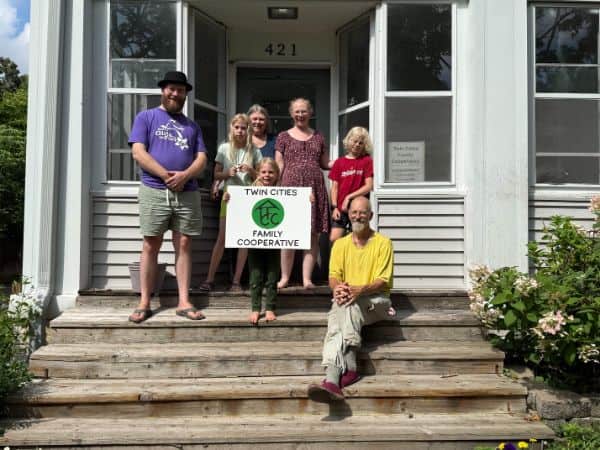
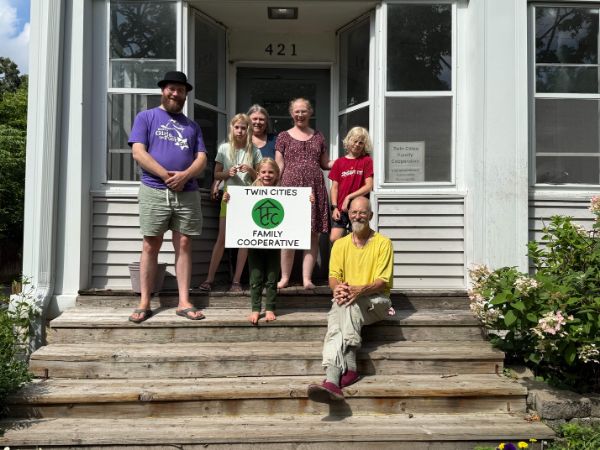
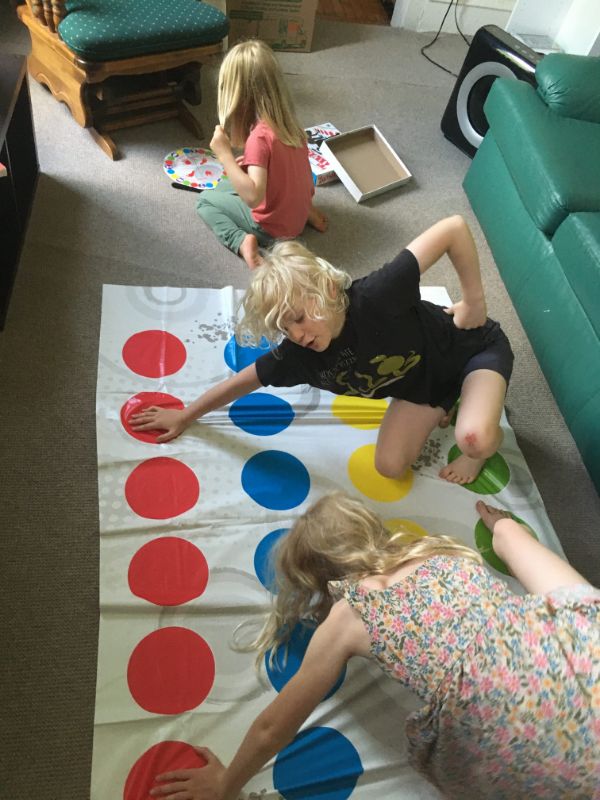
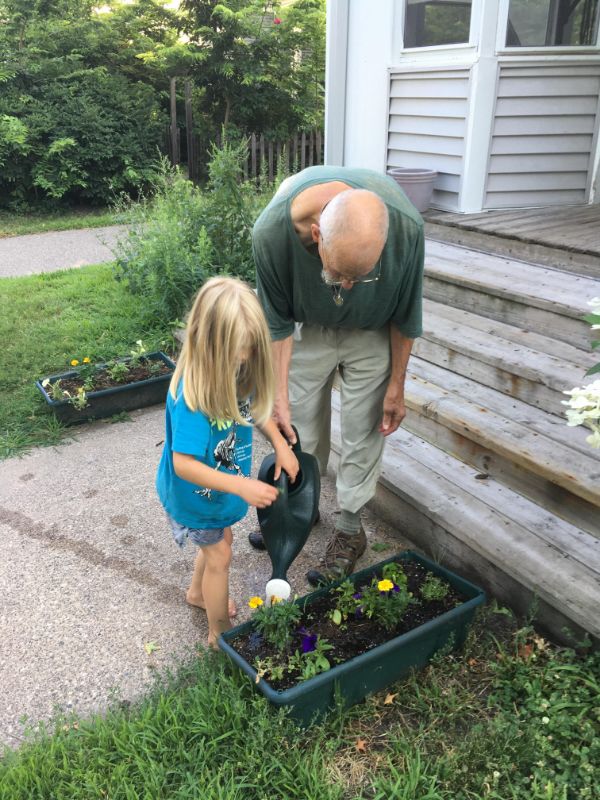
We are an intergenerational community of individuals, couples, and families. We are queer-affirming, gender-inclusive, and multicultural. We value the spectrums of the human experience and each individual’s diverse abilities. We support each other in raising children and throughout all stages of life.
We strive to live out of a place of abundance. We develop internal economic policies that actively push back against capitalist expectations.
We are committed to nonviolence and environmental sustainability. We believe in the potential for radical transformation of society and see communal living as an element of that change. We strive to make meaningful contributions to society, engaged in dismantling the systems of racism and oppression in our society.
We are households of varying sizes and we continue meeting with more individuals and families who are interested in joining. We range in age from young children to elders.
We are open to those of any religious, faith, or spiritual practice as well as those with no religious, faith, or spiritual practice. Our members include people with Quaker, Christian, and no religious beliefs.
Group decisions are made using a consensus process to come up with our best decision.
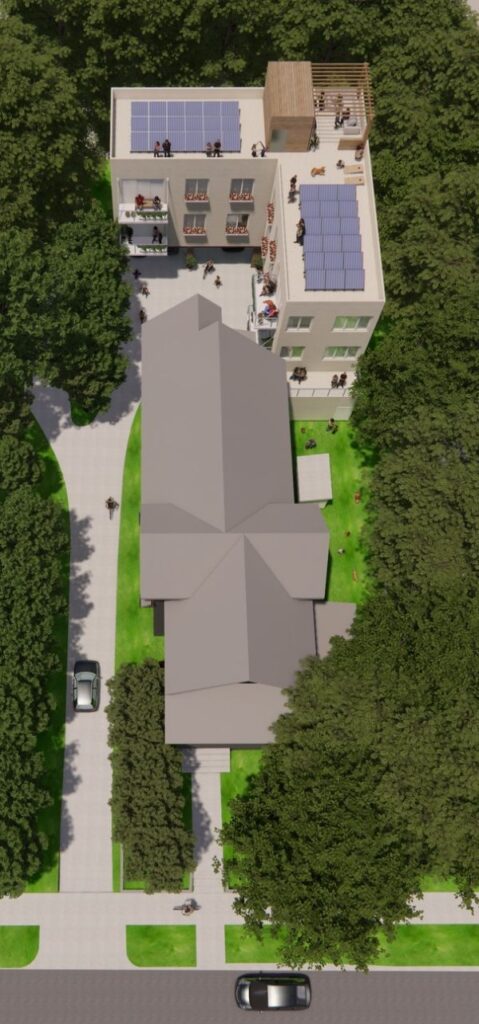
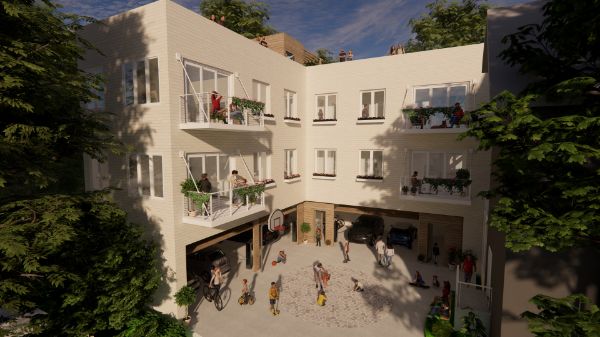
We are starting with a multi-family building with 7 units. We have shared space for cooking, eating, socializing, and working together. We plan build an expansion on this property and we continue looking for a property that would allow us to grow to 15 households. When we build our own space, we will build with the environment and sustainability in mind. Our dream land would include lots of space to garden and play in as well as space for chickens. We would love to be near woods and a creek for the children to play in, maple trees for making maple syrup, and wildlife. We also plan to be able to take advantage of public transportation and be able to walk or bike to most places.
If there’s something you dream of having and you don’t see it in our plan, maybe you’re the one to add it to our plan.
The whole membership decides collectively.
Everyone must agree before moving forward.
Power and responsibility are shared relatively equally among members.
The consensus method we use allows members to amend, rather than block, a proposal. This keeps decisions moving forward.
Members contribute a percentage of income to community funds.
Join fee: Yes
Regular fees: Yes
Labor: Yes (10 hrs/week)
Members with pre-existing debt: allowed
All members contribute to the expenses of the community according to their ability. Members contribute 1/3 of their monthly income and those who are able, loan money to the community. Members also contribute a minimum of 10 hours of labor each week through, meal preparation, cleaning, yard work, shopping, childcare, administrative duties, etc.
Common House, Garden(s), Vehicle Share, Library, Internet
Within city limits with access to urban amenities and infrastructure.
Private homes with shared common facilities, designed for neighborly
interaction while maintaining independence.
Shared living spaces with private bedrooms/bathrooms and communal
kitchens, dining, and social areas.
Integrated communities designed around ecological principles with sustainable living practices.
Geographically close groups of independently-owned homes whose residents actively cultivate community relationships and shared values.
There are no upcoming events
There are no needs and offers
We use cookies to improve your experience on our site. By using our site, you consent to cookies.
Manage your cookie preferences below:
Essential cookies enable basic functions and are necessary for the proper function of the website.
CleanTalk offers effective spam protection and website security solutions to enhance user experience.
Service URL: cleantalk.org (opens in a new window)
These cookies are needed for adding comments on this website.
These cookies are used for managing login functionality on this website.
Statistics cookies collect information anonymously. This information helps us understand how visitors use our website.
Google Analytics is a powerful tool that tracks and analyzes website traffic for informed marketing decisions.
Service URL: policies.google.com (opens in a new window)
A residential project: people live here as their primary home.
An institution, business, network, or project that isn’t a residence (e.g. a learning center, farm, or network with no one living there full-time).

{{ item.label }}
{{ item.value ? item.value : currencyFormat( item.amount ) }}
Subtotal
{{ currencyFormat( pricing_summary.total_amount ) }}
There are no results matching your search