Almarte

Logo of the Global Ecovillage Network with a butterfly and gear symbol.
  • Communities

About the Communities

  • Forming
  • English
  • Ecological
  • Rural

Founding year

  • 2024

What we do

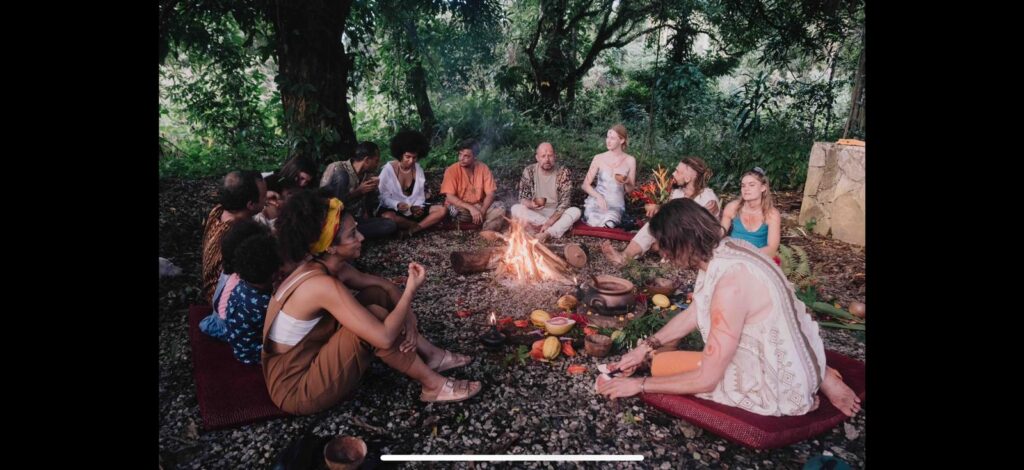
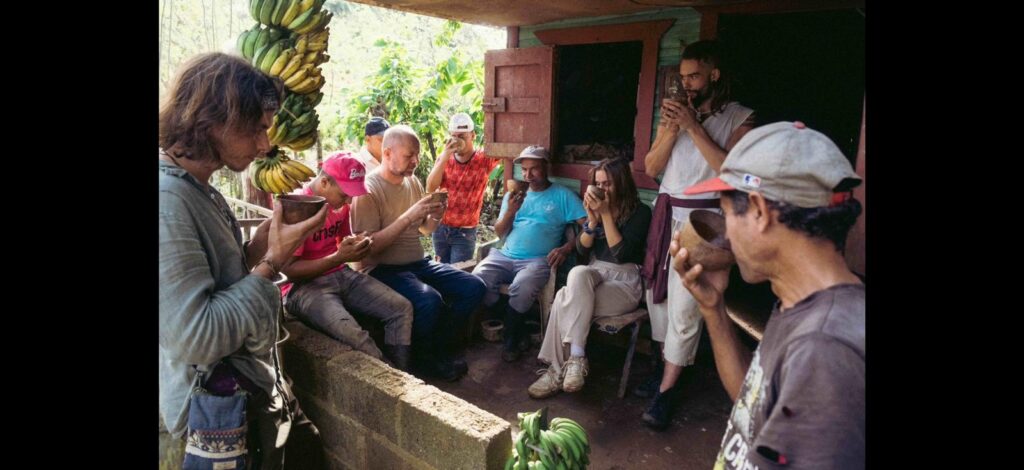
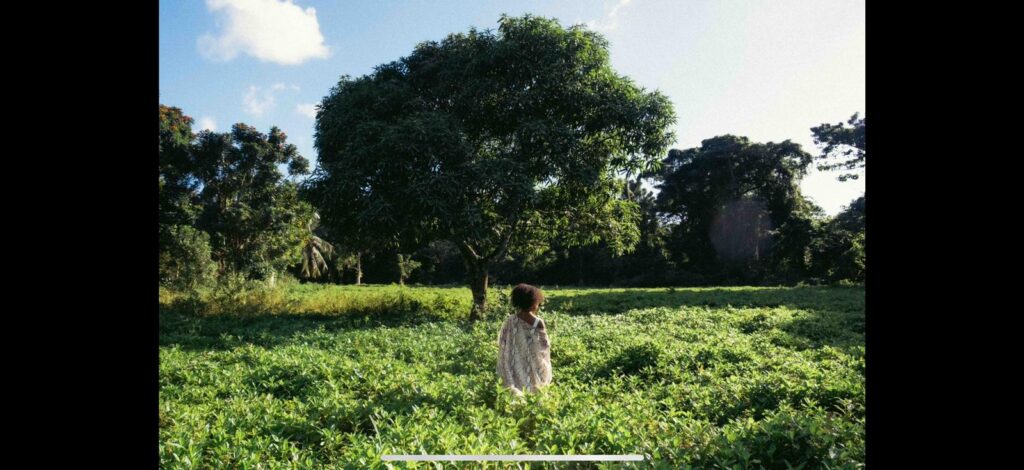
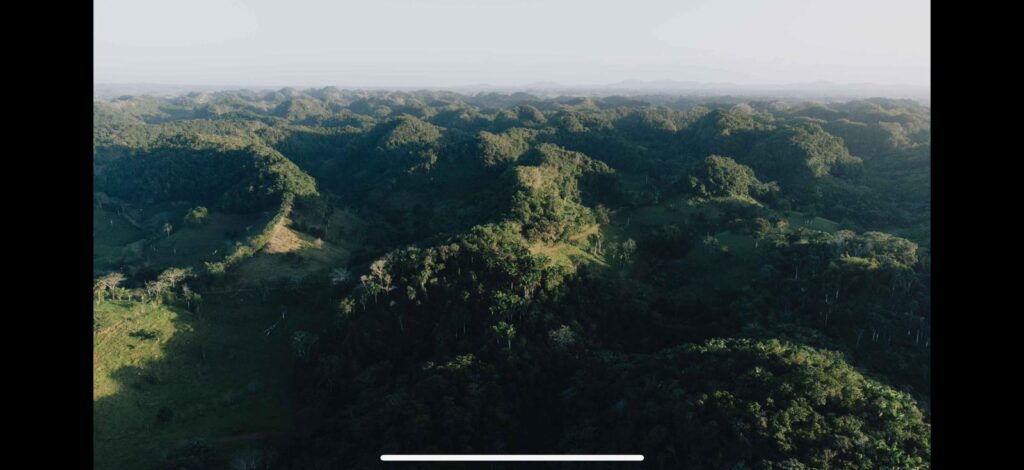
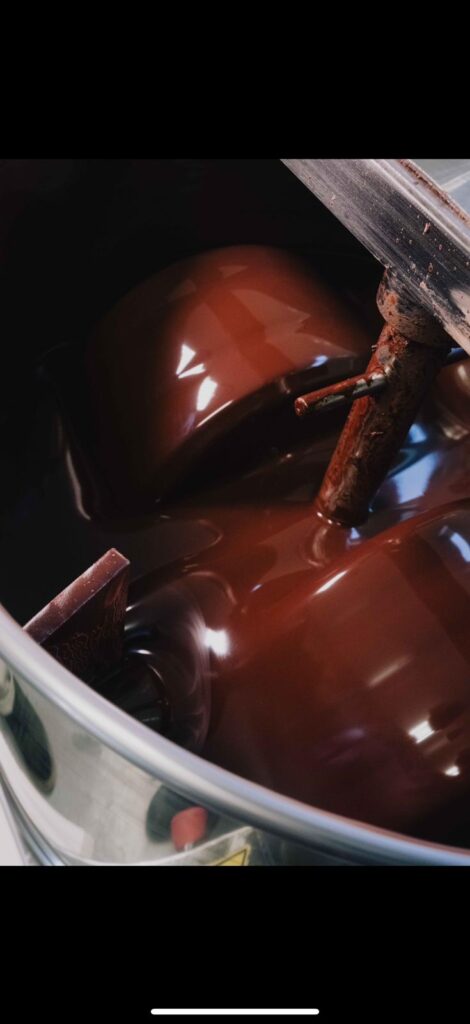
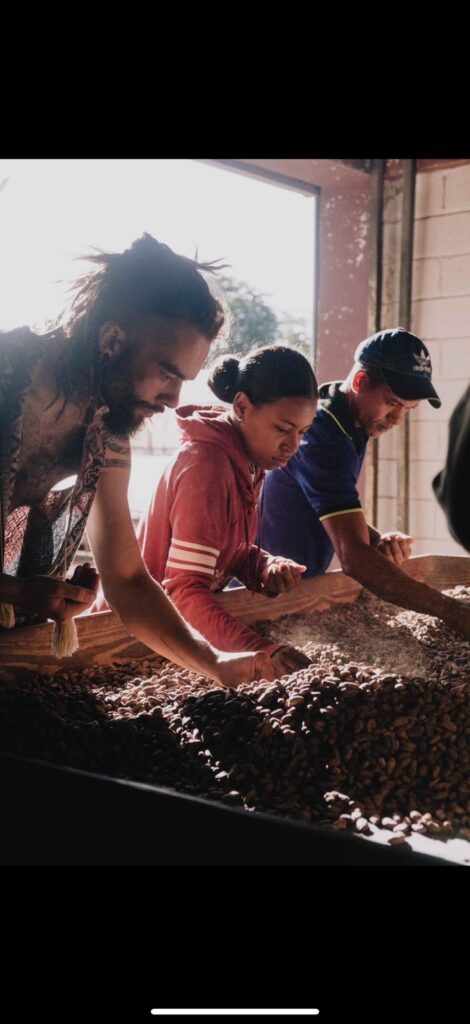
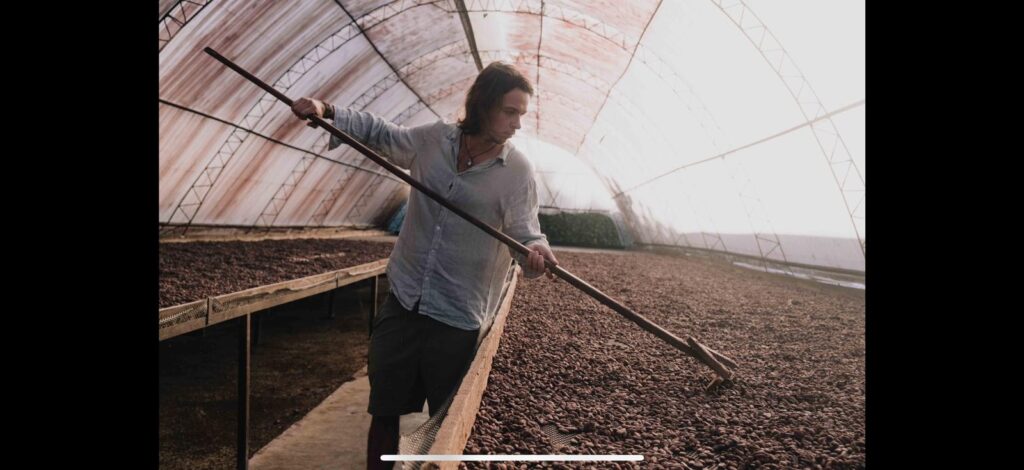
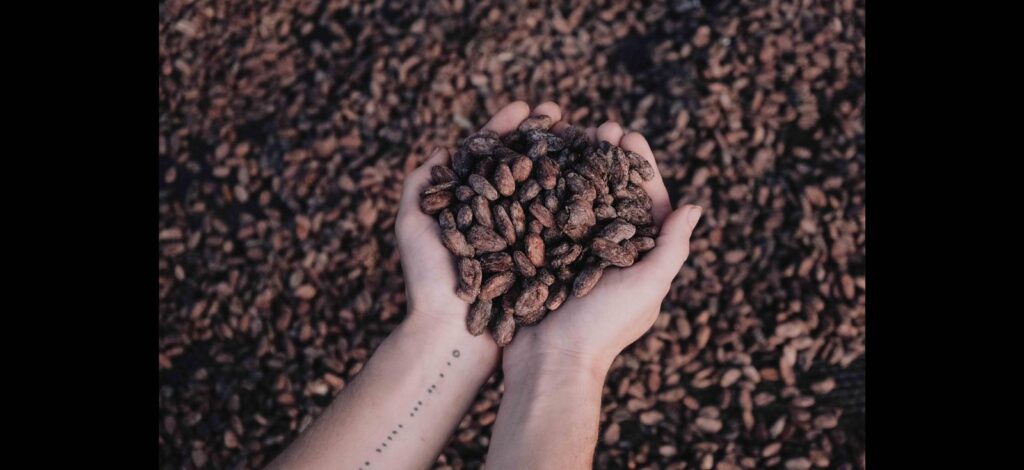
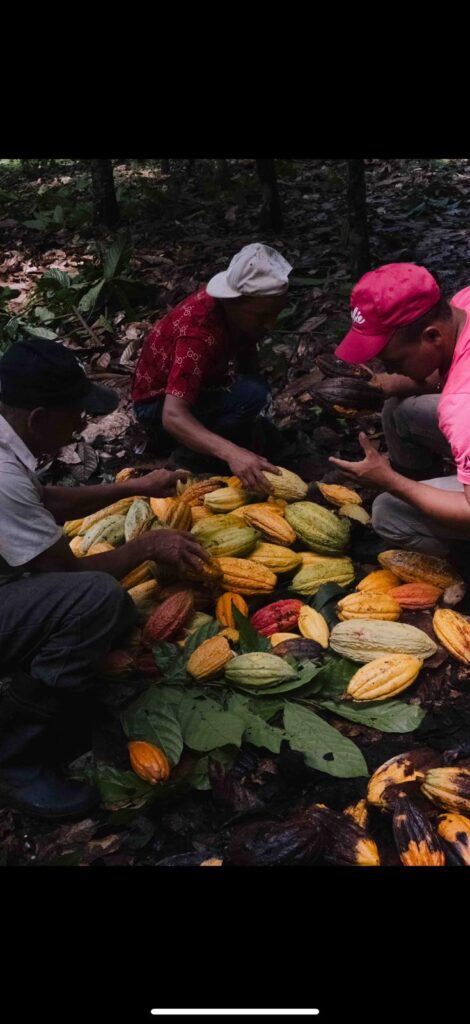
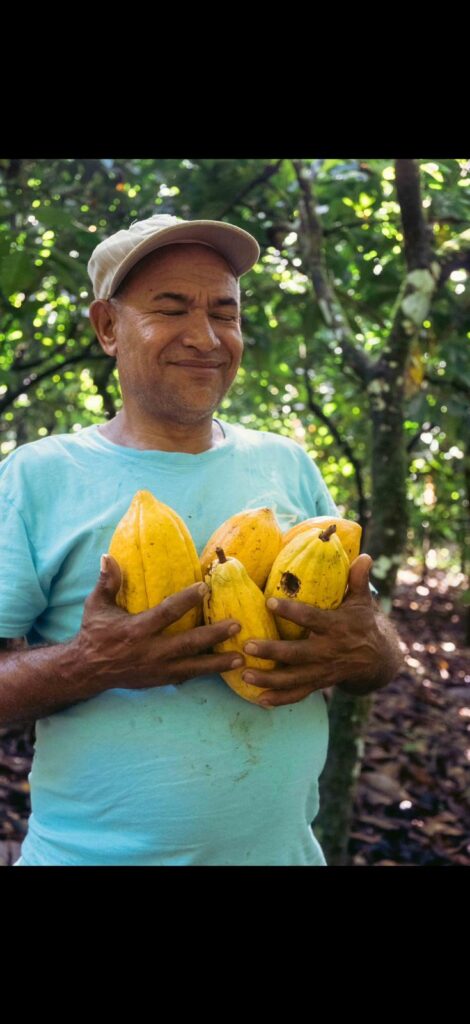
Almarte is a regenerative initiative in the Dominican Republic, combining permaculture, cacao cultivation, and community building to explore new models of living and loving beyond the boundaries of capitalism.
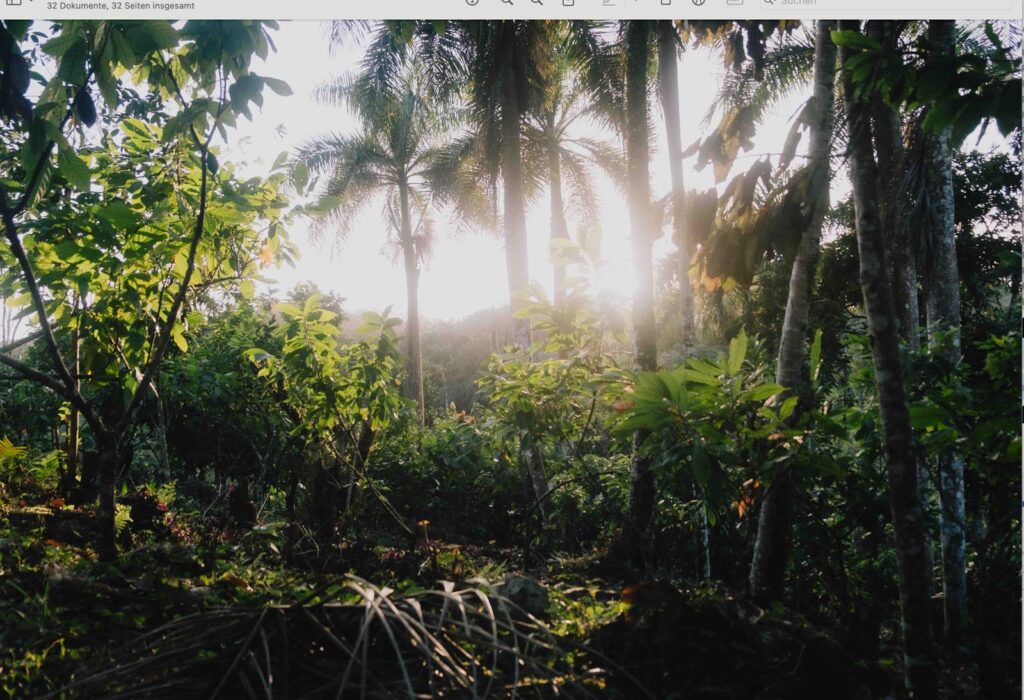
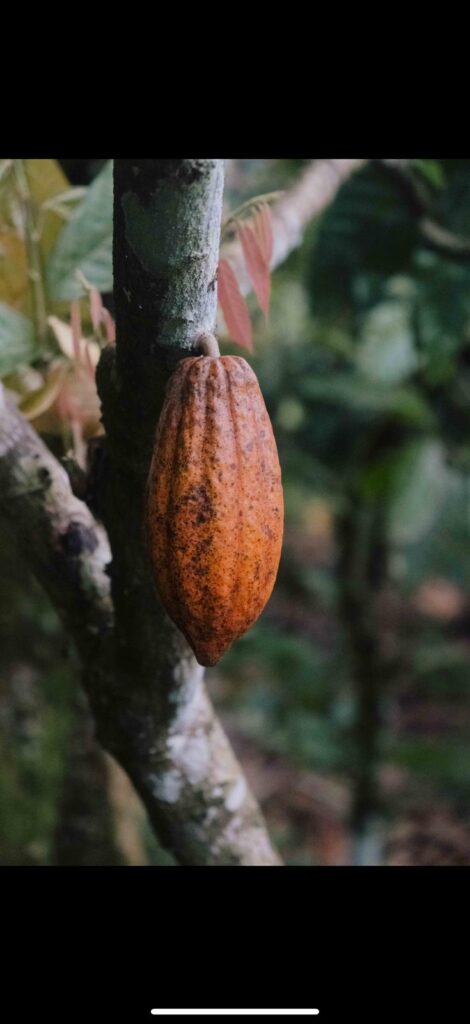
Located on 120 hectares of reforested land in a sacred region surrounded by tropical mountains, our project has already planted over 100,000 trees, including 60,000 cacao trees grown under organic and biodiverse agroforestry systems.
At its heart, Almarte is a living laboratory — a place where ecology, art, and consciousness meet. The name unites alma (soul) and arte (art), reflecting our belief that true regeneration begins both in the soil and in the human spirit.
Currently, four of us live next to the farm, as we build the essential infrastructure — water systems, renewable energy, and community spaces — to bring the ecovillage fully to life.
We are now forming the Almarte Foundation (NGO) as the social and legal structure behind this vision. The foundation researches and implements post-capitalist structures based on cooperation, circular economies, and shared resources — where value is created through connection, creativity, and care.
Almarte seeks to inspire a global movement for regenerative communities that honor both the Earth and the human heart — cultivating cacao, culture, and consciousness in harmony with nature.

  • Purpose
  • Ecological
  • Languages
  • English
  • German
  • Polish
  • Spanish
  • Community type
  • Ecovillage
  • Intentional Neighborhoods
  • Land-Based Communities
  • Activities
  • Permaculture

Commemorative dates

  • January 1, 2024
  • Started planning
  • January 1, 2026
  • Started living together

Video

  • Open to new members
  • Open to visitors
Total
4

How to join

Please contact us on in**@*****te.com

Guest Book

Written reviews are available for plus members. Click here to upgrade.

Location

  • Dominican Republic

Promoted Needs and Offers

  • Promoted
Need
  • Promoted
Need
  • Volunteering
2 weeks ago

Social Media Intern

Ecovillage Network logo with sun and moon symbols in purple.
Ecovillage Network logo with green leaves inside a circle.
Ecovillage Network logo with a heart-shaped handshake symbol.
Logo of the Global Ecovillage Network with a stylized flower design.
Logo of the Global Ecovillage Network with interconnected figures.
Social Media Intern for GEN International Hours: Up to 20/month, flexible around your schedule and availability Location: Remote, work with Eva Goldfarb Focus: Instagram + LinkedIn (TikTok if you’re into it!) Hi! I’m Eva, and I run social media for GEN International — the global network connecting ecovillages, intentional communities, and regenerative culture-builders across every continent. I’m looking for a co-conspirator to help me tell the stories of the people quietly building the future: off-grid villages in the Philippines, permaculture farms in Senegal, urban cohousing projects in Berlin, elders passing down land wisdom in the Andes. It’s a wildly rich, wildly underrepresented world, and I want more people to fall in love with it the way I have. What you’ll actually do: Dream up and create content for Instagram and LinkedIn (reels, carousels, stories, captions that don’t sound like a corporate newsletter) Dig into our global network and turn your findings into stories people want to share Pitch your own ideas. If there’s a series, a theme, a format, or a corner of the network that lights you up, that’s what I want you to focus on. What we’re looking for: A natural storyteller, someone who can spot the human thread in a project update or a photo from a faraway village Genuinely curious about ecovillages, sustainability, intentional community, regenerative living Self-motivated and communicative; this is a flexible, trust-based role Why this role: This isn’t a “post 3x a week and don’t ask questions” internship. You’ll have real creative freedom to work on what excites you, learn how a global grassroots network tells its story, and build a portfolio full of meaningful, purpose-driven content. Plus you’ll be talking to people living some of the most interesting, intentional lives on the planet. If storytelling for a better world sounds like your kind of fun, let’s talk.
  • Promoted
Need
  • Events
7 years ago

Permaculture Design Course (PDC), September

*We have a few places left on the September PDC, and room for one or 2 more for the Natural Building Course starting September 15th* Permaculture Design Course (PDC) Thailand September 2nd to September 14th, 2019 Daruma Eco Farm, Bang Phra, Si Racha District, Chon Buri 20110, Thailand In the early days of permaculture, Bill Mollison’s Designer’s Manual was the stated standard for most PDC’s. Sometimes a PDC description would state that it officially covered the “14 chapters” which are listed here: Introduction (to permaculture) Concepts and Themes in Design Methods of Design Pattern Understanding Climatic Factors Trees and their Energy Transactions Water Soils Earthworking and Earth Resources The Humid Tropics Dryland Strategies Humid Cool to Cold Climates Aquaculture The Strategies of an Alternative Global Nation In a few places, these chapters can serve as a guide for a PDC that will wind through the maze of design concepts and supporting background material. The Daruma PDC definitely covers the topics in these 14 chapters but this is not the order (or format) it is presented. Every PDC course here at Daruma begins with an orientation tour of the farm to give you an overall impression of how individual elements integrate with each other. This often generates a broad range of questions. We will, however, hold off on answering most of these questions initially but don’t worry, if the course material doesn’t answer them, they will be answered in time. We also spend some time getting to know each other and sharing our goals. One reason for not answering all the questions in the beginning is the most common answer in permaculture courses is, “it depends.” So it takes a little time to establish the basic foundations which we start on right away. That foundation begins with two important topics: The state of the world (why we need permaculture design thinking) and what is permaculture and where did it come from (a comprehensive o

Information

Communities

A residential project: people live here as their primary home.

Organizations

An institution, business, network, or project that isn’t a residence (e.g. a learning center, farm, or network with no one living there full-time).

Become a + Community Member

  • Send Direct Messages and see contact information
  • Find communities based on your profile tool
  • Post Needs & Offers Listings and Events
  • Access to resources in the Members Library /// like vetted documents uploaded by communites (e.g. bylaws )
  • Member badge on your profile
  • View communities detailed reviews
  • Create Private Groups
I am an official member of this community
Disclaimer
I affirm that my information is accurate and I am authorized to manage this listing

Free Plan

Free plan
Free

Intentional Advertising

  • Subtotal

    {{ currencyFormat( pricing_summary.total_amount ) }}

Become a + Member

  • Send Direct Messages and see contact information
  • Find communities based on your profile tool
  • Post Needs & Offers Listings and Events
  • Access to free resources in the Members Library
  • Member badge on your profile
  • View communities detailed reviews
  • Create Private Groups