Tamera

Logo of the Global Ecovillage Network with interconnected leaf and flower design.
  • Communities

About the Communities

  • Established
  • German
  • Spiritual
  • Rural

Founding year

  • 1994

What we do

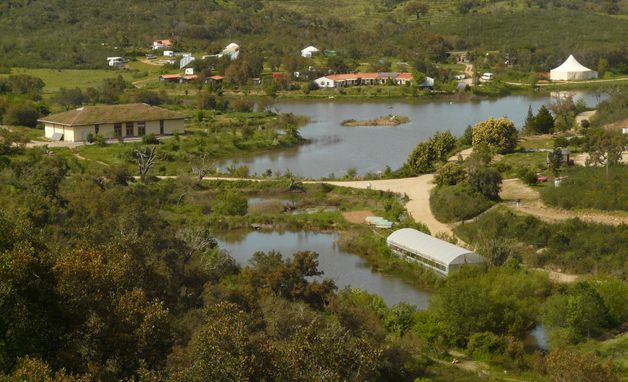
Tamera is a peace project in Southern Portugal, a cooperative of future workers, who aim to build a so called “Healing Biotope” for a couple of hundred people – a community between humans, animals and plants whose relationships are based upon trust and mutual support.
In a Healing Biotope new answers in the existential areas of life shall be researched: peace and cooperation with nature, peace between men and women, implementation of a strong self-sufficient community of compassion without guru and peer pressure, practice of free religion by authentic religious
experiences and an ongoing spiritual life practice.
Tamera was founded in 1995 and is a snapshot of over 40 years of research and development. It is a living model, a pioneer project for the question of humankind living together on this planet.
Currently, there are 150 staff members who live in Tamera; the circle of people co-operating encompasses some hundred more. Many who work here are committed guests who want to help continue the project.
There are no religious or ideological obligations. However, there is a common direction, giving the place its spiritual character. Joy in implementing and joy in new thinking, respect for all life, participating in all of creation, solidarity with all of its beings, honesty in relationships, truth in love, and transparency in the
community.
Practical activities in the project take place in the „Escola da Esperança” schooling project, youth projects, horse projects, gardening, energy supply, soil improvement, architecture, and landscaping. Aside from this, we mainly work in theoretical and social fields on the question of the implementation of a non-
violent culture on this planet.
The best way to get to know our work and goals is to take part in our seminars, courses – online or at site and our work and community programm. Our guest season lasts from March to November.
Main Languages: German and English

  • Purpose
  • Spiritual
  • Languages
  • German
  • English
  • Portuguese (Portugal)
  • Community type
  • Spiritual Retreat Centers

Commemorative dates

  • January 1, 1994
  • Started living together
  • Open to new members
  • Open to visitors
Total
170

How to join

Non-working Guests welcome,

Guest Book

Written reviews are available for plus members. Click here to upgrade.

Our Members

Prem Shakti

Eco Village
Uruguay

Anja Henckel

Reforestation of Eucalyptus Monoculture in Nature park SW Portugal
Portugal

Monika Hösterey

Iam you and you are me in Mayan lenguage
Mexico

Location

  • Portugal

Tamera

Promoted Needs and Offers

  • Events
10 years ago

Permaculture Design Certificate

P3’s part-time Permaculture Design Certification is offered on 7 weekends in Montréal, from March 4th to May 14th, 2017. Classes are held at the Bitcoin Embassy office in the heart of the city, from 10am to 6pm with rest and lunch breaks throughout the day. During this course we will learn to read the landscape, analyse problems and design ecological solutions for the home, garden, farm and city. EARLYBIRD PROMO CODES! Use the codes below to save some money on your tuition when you register early for your course :D P3NOV16 Register before Nov. 30, 2016 and save $150 P3DEC16 Register before Dec. 31, 2016 and save $100 P3JAN17 Register before Jan. 31, 2017 and save $50 KICKSTART YOUR SUMMER WITH A PDC! This 72-hour certification course is a participatory and dynamic learning experience; classes include in-depth permaculture theory, design methodology, design exercises and group projects. They also include a whole lot of deep questioning, laughter, and growth! The PDC curriculum delivered by P3 was developed by Bill Mollison in Australia in the 1970’s, and is today regarded as the standard in permaculture education, recognized and respected worldwide. At P3, our facilitators emphasize permaculture goes beyond gardening and agriculture. With permaculture we can design solutions for: food deserts, the heat- island effect, and mismanaged waste systems. With edible landscaping and ecological architecture we can increase the efficiency of our homes, our farms, and our communities. The solutions-based vision of permaculture practice provides is holistic and regenerative. With this course as a launching point, our students have started projects and businesses in consulting, teaching, agriculture, children’s education, urban farming, composting, and much more. in**@************re.ca
  • Events
12 years ago

Construcción c/ Paja y Tierra NIVEL2

6 Abril: Día de “Refuerzo” (opcional/obligatoria según tu experiencia) 7-11 Abril: curso Nivel II DESCRIPCIÓN (35-45 Horas de formación) Este curso pretende ayudar al estudiante a pensar incluyendo la paja para poder diseñar los detalles constructivos necesarios para hacer una casa bien acabada y eficaz en términos estructurales, térmicos y estéticos. Esta formación es la continuación del curso Nivel 1, que está especializado en Muros de Carga de paja y la auto-construcción. Ahora profundizamos más, damos más detalles y más trucos… ya que en el primer curso enfocamos para conseguir una casa fuerte y funcional- para darles a los estudiantes la confianza para atreverse a construir. Ahora queremos ir más allá y lograr que la casa quede cómo deseas y planificas. Hay aproximadamente 4 horas diarias de prácticas, 2h de teoría y 1h de ejercicios de diseño en grupos reducidos. El idea, es que este curso es la continuación del Nivel 1. Si no has asistido al Nivel 1 y Si no has manipulado nunca una bala, ni has revocado directamente sobre balas con tierra arcillosa, será OBLIGATORIO asistir el día de refuerzo. También invitamos a gente que han estudiado la “introducción” a la construcción con Paja con otra personas que no sean Rikki o Maren, y a gente que quieren “refrescarse,” a participar en este primer día. OBJETIVOS aprender lo que necesitas saber para adaptar las balas a cualquier clase de estructura conocer en profundidad diversas soluciones constructivas dentro del sistema de postes y vigas aprender a incluir la bala a la hora de diseñar el edificio saber identificar zonas problemáticas y resolverlas aprender a hacer paredes perfectamente aplomadas en caso de
  • Events
12 years ago

Encuentro de CASA Continental

CASA, the Council of Sustainable Settlements of Latin America, is hosting its second continental gathering since the network’s founding in 2012. This historic event, to be held in Colombia in June 2015, will gather around 100 activists and leaders from the grassroots ecovillage movements in Latin America, focusing on strengthening structures and relationships to build a resilient network that promotes sustainable living in Latin America. CASA is working to amplify the efforts of ecovillages, permaculture projects, indigenous and traditional communities, eco-neighborhoods and eco-caravanas all over Latin America. This gathering will be held in collaboration with the Latin American Permaculture Network to deepen alliance between our movements. When ECCO 2015 will take place from 23rd to 26th june de junio de 2015 in Ecoaldea Aldeafeliz, located in San Francisco, 2 hours from Bogotá. D.C. More informatión and how to arrived here. There is 4th Convergence of Latinoamerican Permaculture CLAP 2015 happening around the ECCO 2015. We encourage you to take part also in CLAP. Who can join ECCO2015 convenes to: active members of CASA Continental active members of CASA in the different nations and territories representatives/delegates of initiatives and organizations aiming to articulate with CASA: ecovillages, permacultural projects, indigenous communities, tradicional settlements, econeighborhoods, ecocaravans y territories in transición. members of GEN – Global Ecovillage Network- members of the Latinoamerican Permaculture Network How to take part

Update to a Public Profile

  • Log in
  • Go to your profile page
  • Toggle on the "Put me on the People Map"
  • Save your profile

Information

Communities

A residential project: people live here as their primary home.

Organizations

An institution, business, network, or project that isn’t a residence (e.g. a learning center, farm, or network with no one living there full-time).

Become a + Community Member

  • Find people based on your community tool
  • Post Needs & Offers Listings and Events
  • Access to resources in the Members Library
  • Member badge on your community profile
  • View communities detailed reviews
  • Create Private Groups
I am an official member of this community
Disclaimer
I affirm that my information is accurate and I am authorized to manage this listing

Free Plan

Free plan
Free

Intentional Advertising

  • Subtotal

    {{ currencyFormat( pricing_summary.total_amount ) }}

Become a + Member

  • Find communities based on your profile tool
  • Post Needs & Offers Listings and Events
  • Access to free resources in the Members Library
  • Member badge on your profile
  • View communities detailed reviews
  • Create Private Groups