Buddhist Monastery

Global Ecovillage Network logo with a flower and leaf design in purple and blue.
  • Communities

About the Communities

Founding year

  • 2012

What we do

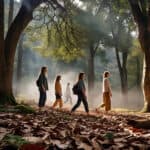
Volunteer to teach young monks with unique opportunity to learn about their lifestyle in a fascinating monastery. You can experience the monastery life in one of the world’s most spiritual countries. Nepal has many spectacular Buddhist monasteries. These monasteries house have hundred of Monks enrolled in the life of Monkshood from early in their lives. They study and live in the monastery. They mostly use Tibetan language only during their study and their chances of learning English are very limited.
Teaching English to Buddhist monks is an excellent opportunity for volunteers who are interested in Buddhist and culture. Volunteers will also have wonderful opportunity to learn Vajrayana from Buddhism and witness colorful rituals and prayers. As a volunteer in teaching English to Buddhist monks project you will work in the monastery where you will teach English to the monks. during the teaching you will be encouraged to converse with monks to improve their speech . You will also teach them about grammar rules and try to increase their vocabulary. you will work in the monastery where you will place accommodation eating and studying. The monasteries are usually very spacious . A central building will house prayer room . And volunteers should also be flexible practical self motivated and open minded to learn new culture.

Commemorative dates

  • January 1, 2012
  • Started living together
  • Open to new members
  • Open to volunteers
Total
14

How to join

Volunteer in Nepal is amazing way to learn local culture and Nepalese life style which is you can make difference. Our project is mostly Educational and cultural you can get amazing experience with the local.
Guest Book

Written reviews are available for plus members. Click here to upgrade.

Our Members

Location

  • Nepal

Buddhist Monastery

Promoted Needs and Offers

  • Events
12 years ago

Thai Massage course in Greece

4-11th July: Thai Massage course in Nea Makri, Greece A one week live-in course in Nea Makri, Greece hosted by Nea Guinea Course outline Traditional Thai massage is an ancient healing art that consists of a set of techniques developed in Southeast Asia 2500 years ago. These techniques are applied in order to stimulate and balance the flow of energy in the basic channels that run throughout the body and enhance the system’s potential for self-healing. Application of pressure along the energy lines and passive stretching, release nerve and muscle tension, activate blood and lymph circulation and detoxify the tissues. This workshop is a one week immersion in this traditional healing art, focusing on: – the correct posture and the synchronization of movement and breathing . – basic stretching and pressuring techniques (using thumbs, elbows and forearms) in prone, supine, side. Instructor Aspasia Rarri has been trained in Traditional Thai Massage, in Northern Thailand, by attending seminars and practicing with local teachers. Specifically, she has studied Traditional Thai Yoga Massage with Dot Po at the Sunshine Massage School of Chiang Mai and Advanced Thai Massage and Chi Nei Tsang (abdominal massage) with Ohm Rinraya in the Omsala School in Chiang Mai. For the last 5 years she has been working as a practitioner, immersing in this healing art with love and devotion. Since 2012, she has been organizing Thai massage courses in Nea Guinea and she has been coordinating the Alternative Healing Space, a project that has been developed with the collaboration of natural healers who are committed in diffusing natural healing practices and making them accessible to everyone, through open informative events and therapeutic sessions at very low rates. In addition, she has been practicing Yoga and Capoeira, in search of diverse methods and techniques to approach and explore in depth the complexity of the human body. Venue The course will be held in Nea
  • Events
12 years ago

Curso Bioconstrucción: Yurta, domo y

Queremos ofrecer un Curso en el que aprender, experimentar y profundizar en algunos aspectos de la Bioconstrucción, de manera profesional, familiar y cercana al mismo tiempo. En este curso aprenderemos sobre la construcción de estructuras tales como: domo geodésico, yurta, techos de cañizo, arcos y columnas de cañas, que pueden ser urilizadas para construcción de pérgolas, invernaderos, sombreados, escenarios y mucho más….; todo ello con materiales locales vegetales: caña y pita (ágave). Domo geodésico. Construcción paso a paso de un domo geodésico: selección y recolección de materiales cañas, tipos de domos y elección de tamaño, construcción de segmentos “palos” en sus diferentes fases, montaje de un domo. Hablaremos también de las posibilidades de acondicionamiento para vivienda: puertas, ventas, suelos, cubierta, aislamiento, etc Yurta. Construcción paso a paso de la estructura de una yurta: selección y preparado de materiales vegetales locales ej. madera de pita, construcción de la “khana” los muros (vaporizado y doblaje ), construcción de vigas del techo “uni”, construcción de la corona, tipos de yurtas y elección de tamaño, montaje de la estructura de la yurta. Hablaremos también de las posibilidades de acondicionamiento para vivienda: puertas, ventas, suelos, cubierta, aislamiento, etc..; cambio de tamaño de la yurta. Arcos y colunmas de cañas. Nos familiarizaremos con la caña: selección, recolección, limpieza, preparación y usos. Herramientas y materiales. Diferentes técnicas de construcción de arcos y colunmas de diversas dimensiones. Experimentar sus diversas funciones y posibilidades. Veremos como estas estructuras se pueden utilizar para crear pérgolas, invernaderos, incluso escenarios y puentes. Y veremos algunos de ellos in situ. Usos tradicionales de las cañas. Si queda tiempo y ganas, veremos como hacer techos cañizos y vallas. Veremos también como trabajar las cañas para construir techados para exterior o interior y vallas para huer

Update to a Public Profile

  • Log in
  • Go to your profile page
  • Toggle on the "Put me on the People Map"
  • Save your profile

Information

Communities

A residential project: people live here as their primary home.

Organizations

An institution, business, network, or project that isn’t a residence (e.g. a learning center, farm, or network with no one living there full-time).

Become a + Community Member

  • Find people based on your community tool
  • Post Needs & Offers Listings and Events
  • Access to resources in the Members Library
  • Member badge on your community profile
  • View communities detailed reviews
  • Create Private Groups
I am an official member of this community
Disclaimer
I affirm that my information is accurate and I am authorized to manage this listing

Free Plan

Free plan
Free

Intentional Advertising

  • Subtotal

    {{ currencyFormat( pricing_summary.total_amount ) }}

Become a + Member

  • Find communities based on your profile tool
  • Post Needs & Offers Listings and Events
  • Access to free resources in the Members Library
  • Member badge on your profile
  • View communities detailed reviews
  • Create Private Groups