Compass 21

  • Communities

About the Communities

  • Forming
  • Ecological
  • Rural

Founding year

  • 2010

What we do

We are a sustainable agriculture training center located in Northern Ghana experimenting with hydroponics as a solution to the present food crisis.
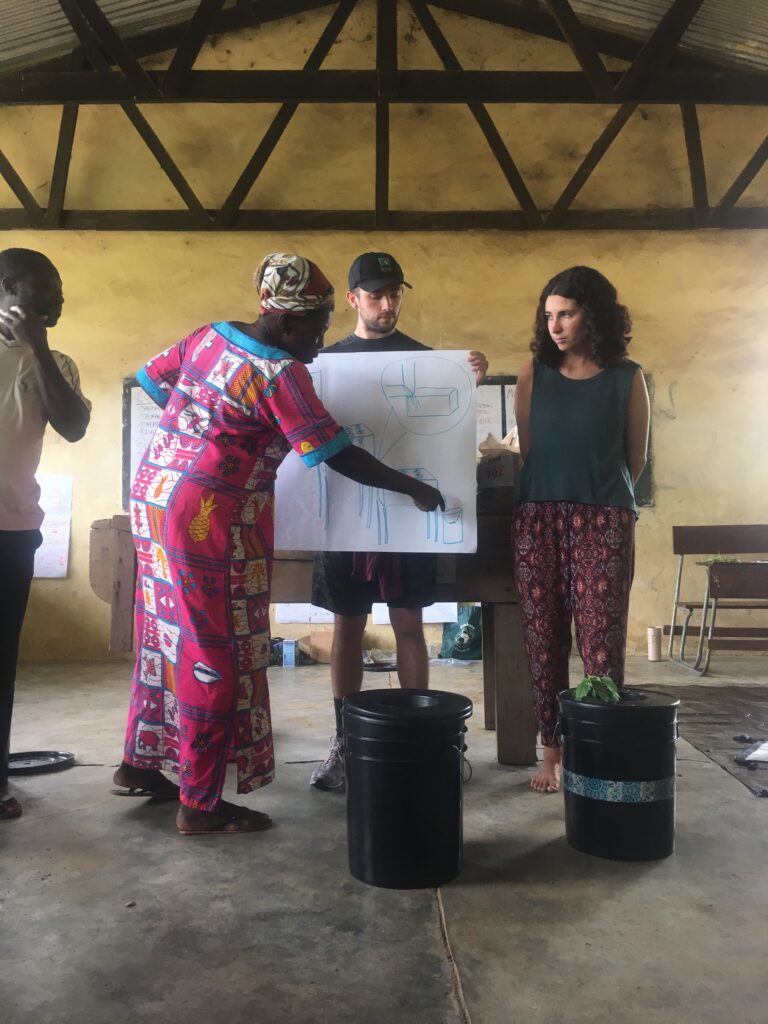
We utilize a sustainable, natural, and locally sourced version of hydroponics and are partnered with the local Agriculture Technology University in Wa, Ghana.
Camillo Bonsuuri was the first individual to become a priest from the rural village of Sakana Ghana. He believed in the potential of his community and set out to create an education center. One evening while on sabbatical in California, Camillo struck up a conversation with a man named Randy Fruechting. Randy was moved by Camillo’s story & mission so he established a board of friends and family who would assist in achieving Camillo’s dream.
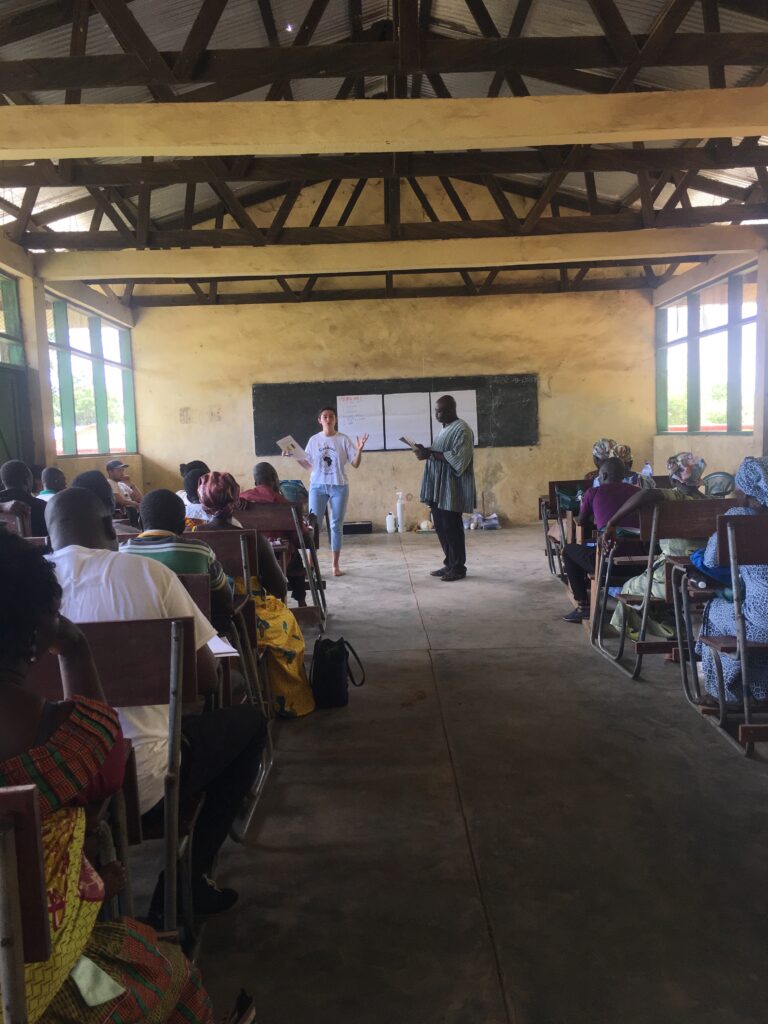
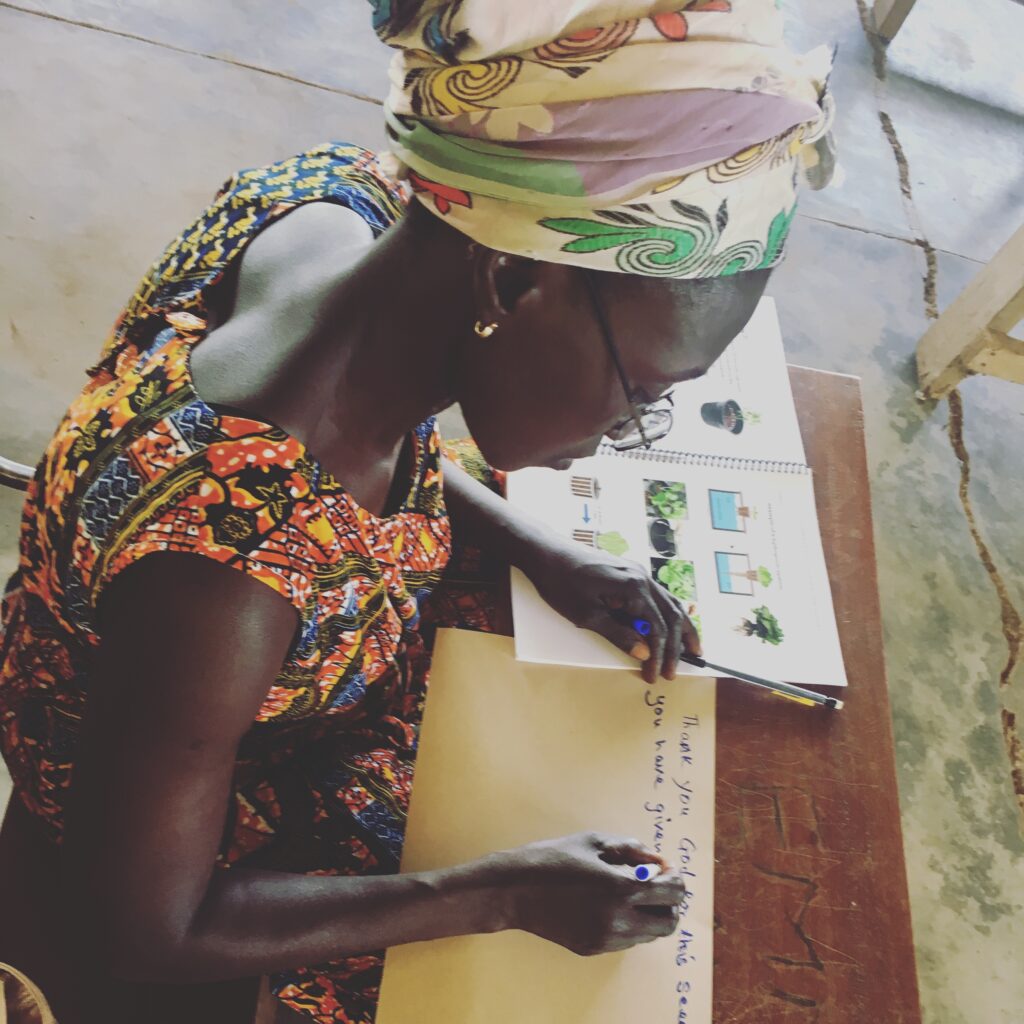
Considering the communities agricultural lifestyle and increasing lack of nutrient soil, the team honed its’ focused on achieving sustainable agriculture. The team sent four representatives to Sankana for a hydroponic and entrepreneur workshop in August of 2018. The team successfully relayed the information to the community, began a hydroponic farm, created leadership roles within the community, and made connections with local schools in order to provide the education center with interns.
Moving forward, the community desires to become a completely sustainable agriculture community. We will be partnering with Edward Yeboah in order to experiment with the success of biochar as a soil additive and hydroponic medium. We will utilize the education center to experiment and share our results. We hope to share our success with communities sharing in similar struggles.
We focus on hydroponics because of the vast capabilities hydroponic farming offers communities that do not have ideal weather or conditions for growing food. This can include urban areas that do not have the space for growing. Hence, through our education center, we aspire to empower more communities with hydroponic farms; hence increasing food security and nutrient intake.

  • Purpose
  • Ecological
  • Community type
  • Ecovillage
  • Activities
  • Ecological Restoration
  • Permaculture
  • Education

Commemorative dates

  • January 1, 2010
  • Started planning

Gallery

  • Open to new members
  • Open to visitors

How to join

Contact **@**********at.org for further information on joining our community

Guest Book

Written reviews are available for plus members. Click here to upgrade.

Location

Compass 21

Promoted Needs and Offers

  • Promoted
Need
  • Promoted
Need
  • Volunteering
1 month ago

Social Media Intern

Ecovillage Network logo with sun and moon symbols in purple.
Ecovillage Network logo with green leaves inside a circle.
Ecovillage Network logo with a heart-shaped handshake symbol.
Logo of the Global Ecovillage Network with a stylized flower design.
Logo of the Global Ecovillage Network with interconnected figures.
Social Media Intern for GEN International Hours: Up to 20/month, flexible around your schedule and availability Location: Remote, work with Eva Goldfarb Focus: Instagram + LinkedIn (TikTok if you’re into it!) Hi! I’m Eva, and I run social media for GEN International — the global network connecting ecovillages, intentional communities, and regenerative culture-builders across every continent. I’m looking for a co-conspirator to help me tell the stories of the people quietly building the future: off-grid villages in the Philippines, permaculture farms in Senegal, urban cohousing projects in Berlin, elders passing down land wisdom in the Andes. It’s a wildly rich, wildly underrepresented world, and I want more people to fall in love with it the way I have. What you’ll actually do: Dream up and create content for Instagram and LinkedIn (reels, carousels, stories, captions that don’t sound like a corporate newsletter) Dig into our global network and turn your findings into stories people want to share Pitch your own ideas. If there’s a series, a theme, a format, or a corner of the network that lights you up, that’s what I want you to focus on. What we’re looking for: A natural storyteller, someone who can spot the human thread in a project update or a photo from a faraway village Genuinely curious about ecovillages, sustainability, intentional community, regenerative living Self-motivated and communicative; this is a flexible, trust-based role Why this role: This isn’t a “post 3x a week and don’t ask questions” internship. You’ll have real creative freedom to work on what excites you, learn how a global grassroots network tells its story, and build a portfolio full of meaningful, purpose-driven content. Plus you’ll be talking to people living some of the most interesting, intentional lives on the planet. If storytelling for a better world sounds like your kind of fun, let’s talk.
  • Events
11 years ago

Build a small wind turbine course

“Build a small wind turbine” construction course November 20th to 29th, 2015 A ten day live-in course in Nea Makri, Greece Learn how to build a small wind turbine and put yourself on the road to self-reliance Organized by Nea Guinea Small wind turbines ‘Nea Guinea’ has been organizing small wind turbine construction workshops since 2009 and has empowered many people with the knowledge of harnessing power from the wind. The wind turbines built in the workshops are based on the designs of Hugh Piggott, a renewable energy expert living in the off-grid community of Scoraig (Scotland), as described in his ‘Wind Turbine Recipe Book’. These wind turbines can be constructed with the use of common materials, simple manufacturing techniques and basic tools, providing a low cost small wind turbine that anyone can built. Hundreds of homemade small wind turbines have been constructed worldwide using these designs, and have proven to be robust, efficient, easy to maintain and quick to repair. Typical applications of locally manufactured small wind turbines are development projects such as electrification of village communities in the global south, educational projects in universities and schools and sustainability projects such as renewable energy electrification of eco-villages. Course outline During this one week course a 600W small wind turbine with 2.4m rotor diameter will be constructed from scratch, using simple raw materials like wood for the blades, steel for the mounting frame and tail, copper wire for the coils and neodymium magnets cast in resin for the generator. The wind turbine will be the product of enthusiastic team work, as we will work in groups focusing on woodworking, metalworking and generator fabrication, along with short breaks to share what we have learned with the whole team. Woodworking will involve hand curving the blades of the rotor using drawknives and spokeshaves, planes and chisels. Metalworking will involve fabrica

Update to a Public Profile

  • Log in
  • Go to your profile page
  • Toggle on the "Put me on the People Map"
  • Save your profile

Information

Communities

A residential project: people live here as their primary home.

Organizations

An institution, business, network, or project that isn’t a residence (e.g. a learning center, farm, or network with no one living there full-time).

Become a + Community Member

  • Find people based on your community tool
  • Post Needs & Offers Listings and Events
  • Access to resources in the Members Library
  • Member badge on your community profile
  • View communities detailed reviews
  • Create Private Groups
I am an official member of this community
Disclaimer
I affirm that my information is accurate and I am authorized to manage this listing

Free Plan

Free plan
Free

Intentional Advertising

  • Subtotal

    {{ currencyFormat( pricing_summary.total_amount ) }}

Become a + Member

  • Find communities based on your profile tool
  • Post Needs & Offers Listings and Events
  • Access to free resources in the Members Library
  • Member badge on your profile
  • View communities detailed reviews
  • Create Private Groups