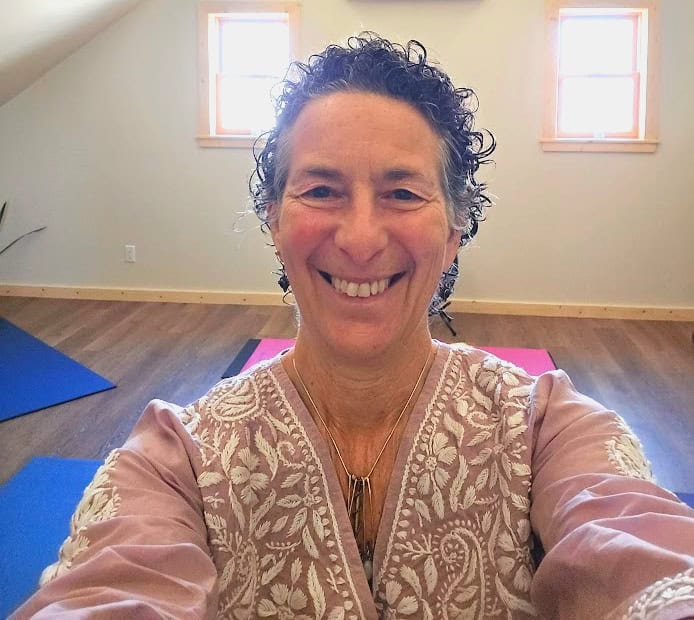
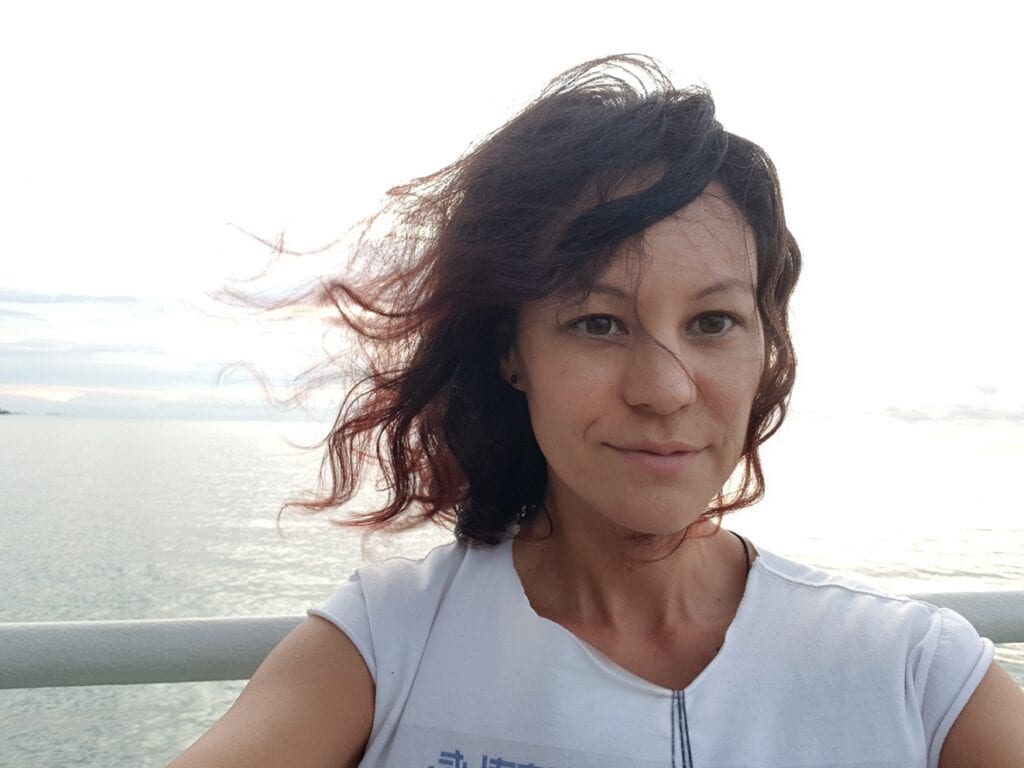
In Summer 2022, the project started on Quinta do Guarda Rios: a 24 hectare rural land on the River Mondego, near the Serra da Estrela mountains in Northern Central Portugal, close to Nelas, Viseu. Starting from undeveloped land the project has grown to a community kitchen building, homes of three resident members, some vegetable gardens and a cooperative has been set up.
The mission: establish a viable ecovillage project with a financial and community structure that can be sustained while working towards regeneration of the ecosystem and sense of tribe. With success, the project would expand to other lands in the area and support more groups to establish a similar model and grow the wider community.
Some important key points are:
Regenerative Agriculture and Rewilding: • Food security and sovereignty • Permaculture principles • Agroforestry, food forests • Water retention landscape design • Reforestation • Wildfire prevention and protection
Ecovillage Design: • Private homes and gardens • Communal area • Common House • Shared gardens • Shared facilities • Event space • Natural building criteria • Off grid technology
Tribe Community & Wellbeing: • Common Principles • Shared Practices • Authentic Communication • Ceremonies, Rituals, Celebration • Conflict Resolution • Sustainable Livelihoods • Co-parenting • Forest school, life school, unschooling • Natural crafts, Arts, Expression • Living with cycles • Connecting to Ancestors
Being part of the eco-village and cooperative means: we will co-own the land, make decisions together with help of sociocracy, non-violent communication, and other helpful tools, we will commit to take on roles and share responsibilities and work load.
At the moment there are 3 families involved and we’re looking for singles, couples and other families that want to join us full-time living on and developing the land, helping us as volunteers or supporting the project financially with loans or donations.
We’re looking forward to meeting you!
Please first get in touch about a visit. We offer co-founding gatherings with workshops about the visions, values, legal aspects, internal structure, livelihoods etc. You can take part and stay on longer to get to know us and the land better. There is possibility to stay with us as volunteer also. If you want to join, there will be a trial period of about 3 months with regular checkpoints to be aware of the process and any issues. This can be extended if needed.
If we all want to go ahead, you will officially become member of the cooperative, put in your financial contribution, choose your spot and build your home!
There are no needs and offers
We use cookies to improve your experience on our site. By using our site, you consent to cookies.
Manage your cookie preferences below:
Essential cookies enable basic functions and are necessary for the proper function of the website.
CleanTalk offers effective spam protection and website security solutions to enhance user experience.
Service URL: cleantalk.org (opens in a new window)
These cookies are needed for adding comments on this website.
These cookies are used for managing login functionality on this website.
Statistics cookies collect information anonymously. This information helps us understand how visitors use our website.
Google Analytics is a powerful tool that tracks and analyzes website traffic for informed marketing decisions.
Service URL: policies.google.com (opens in a new window)
A residential project: people live here as their primary home.
An institution, business, network, or project that isn’t a residence (e.g. a learning center, farm, or network with no one living there full-time).

{{ item.label }}
{{ item.value ? item.value : currencyFormat( item.amount ) }}
Subtotal
{{ currencyFormat( pricing_summary.total_amount ) }}
There are no results matching your search