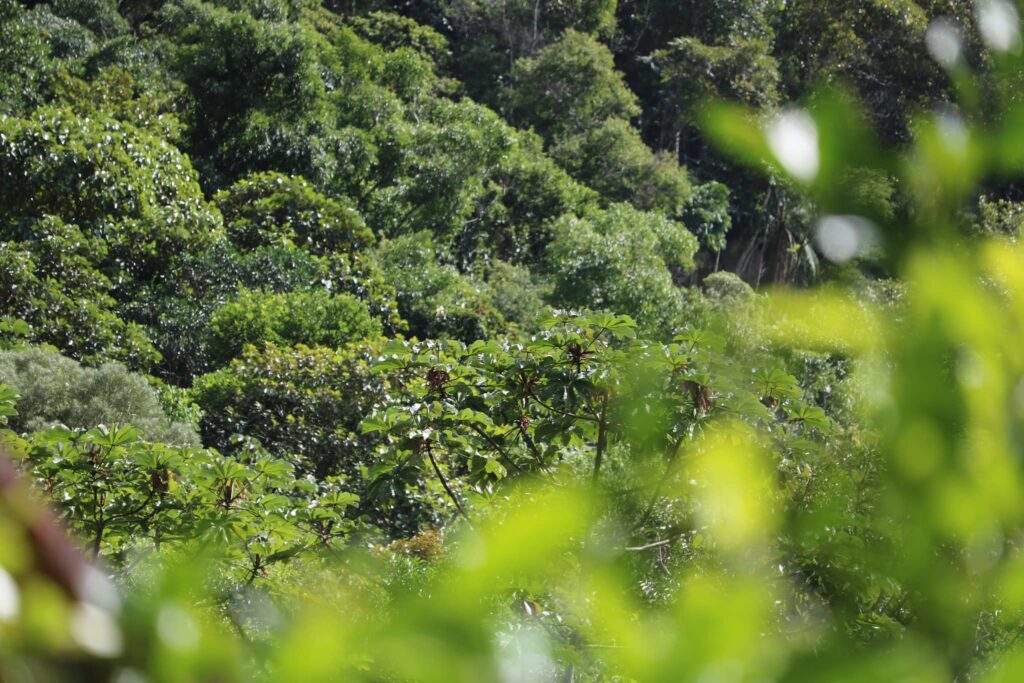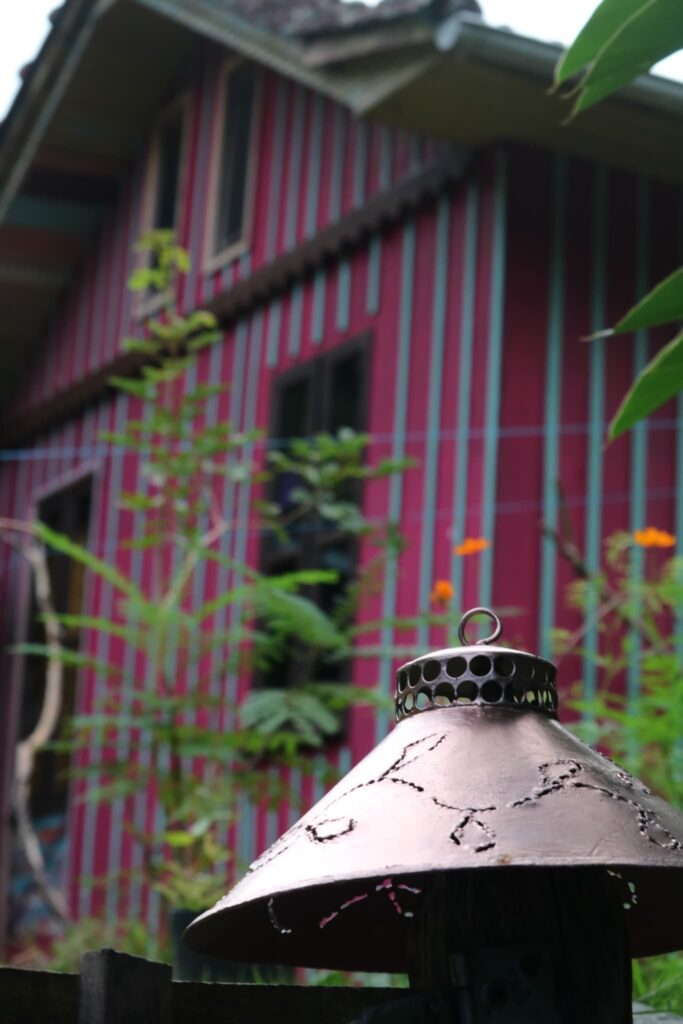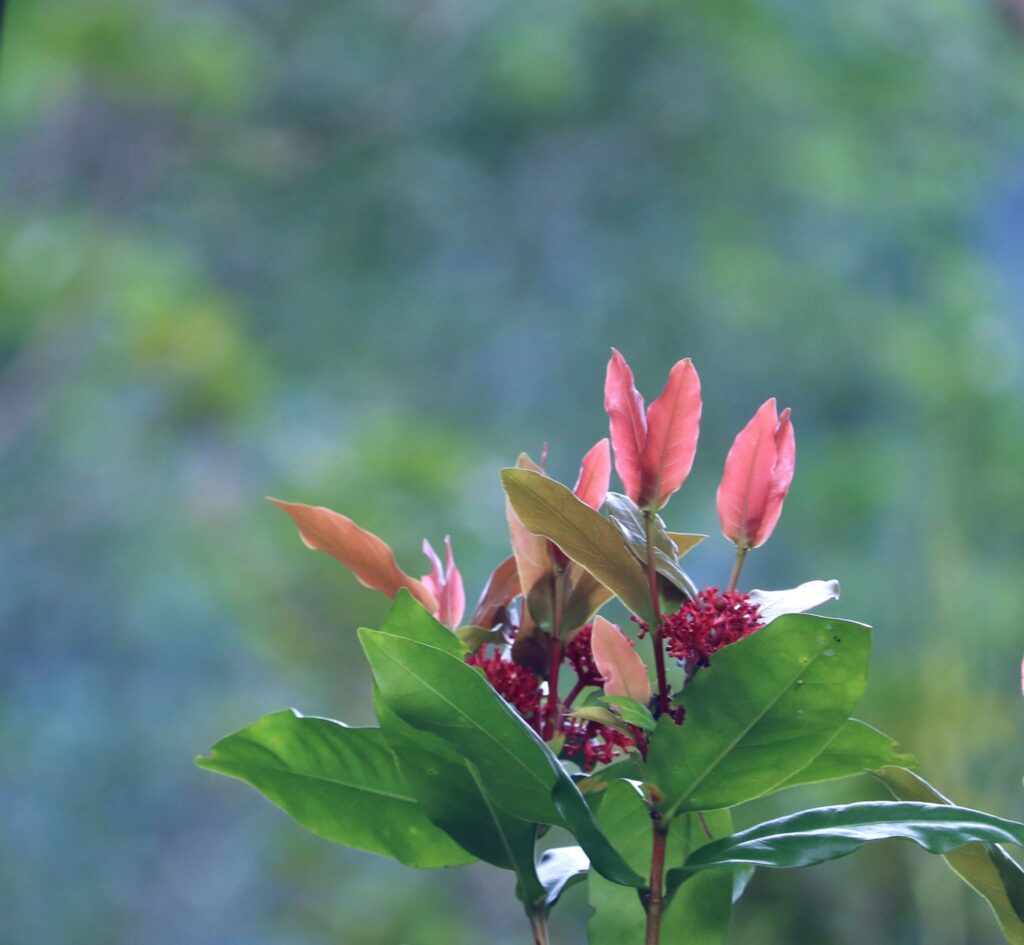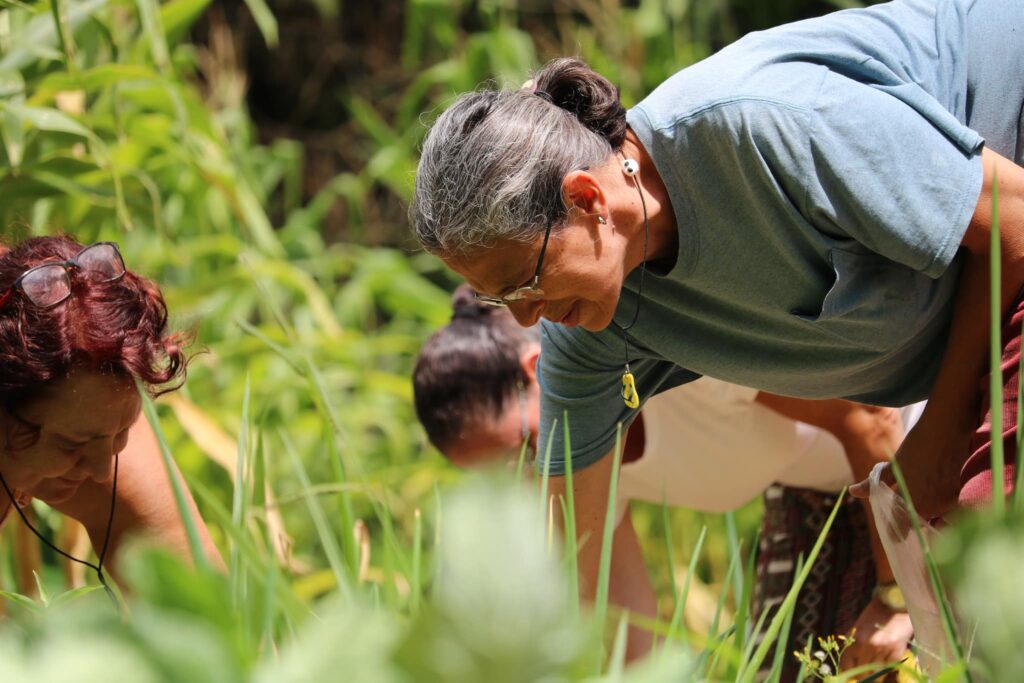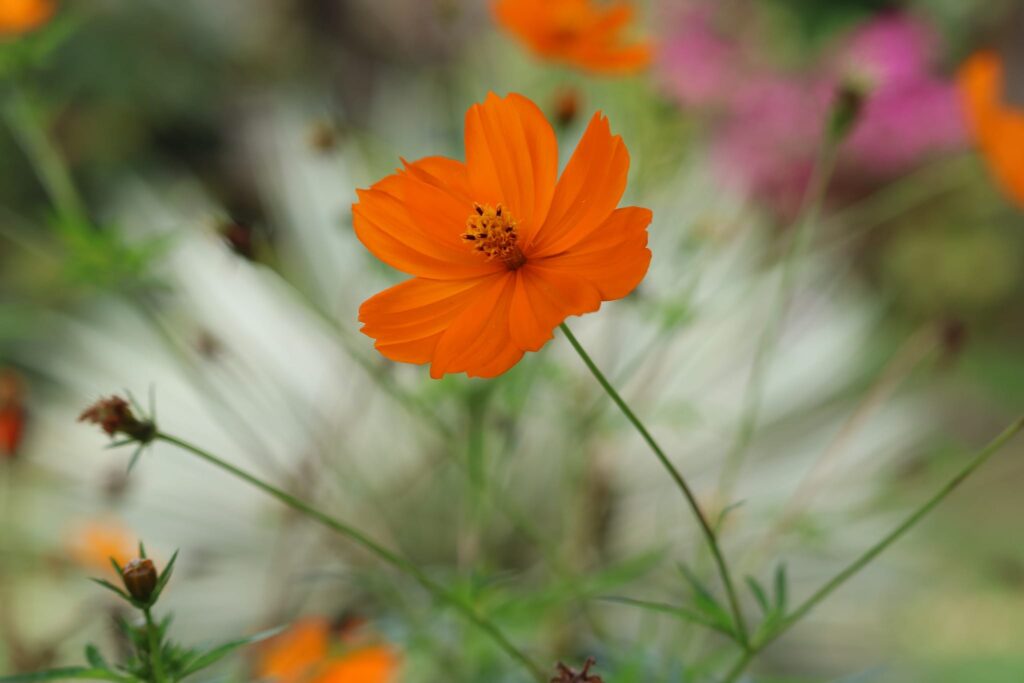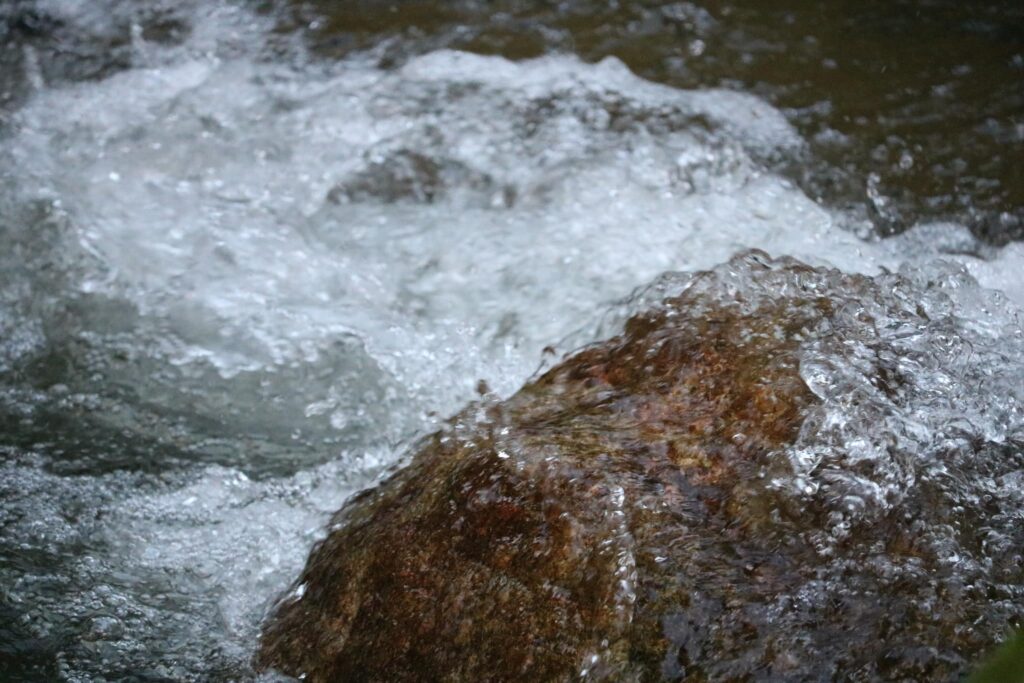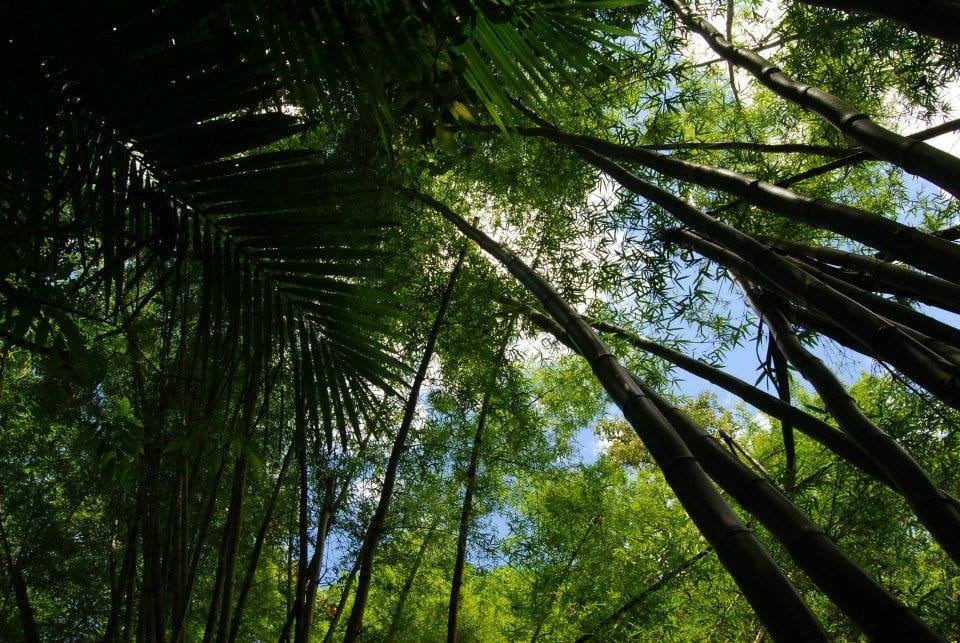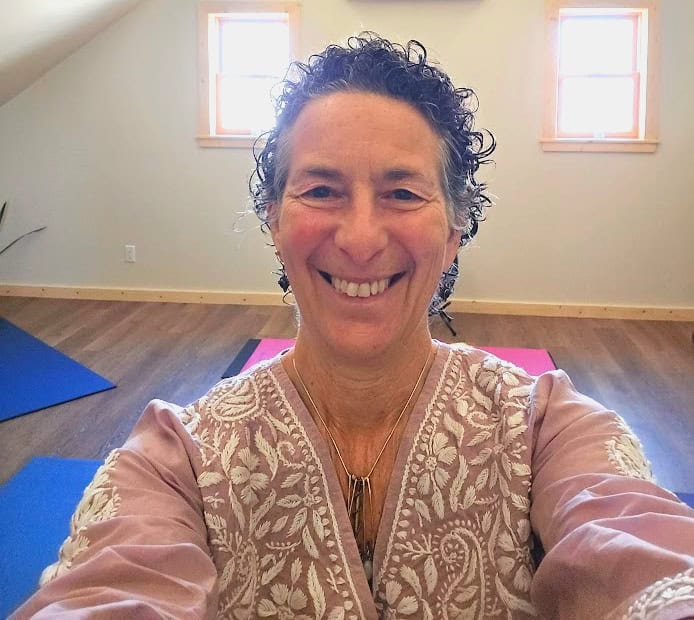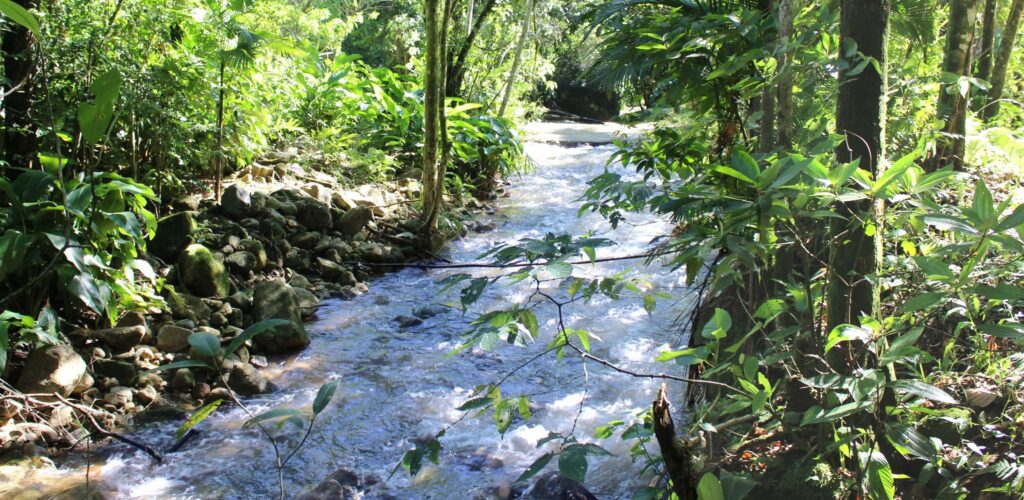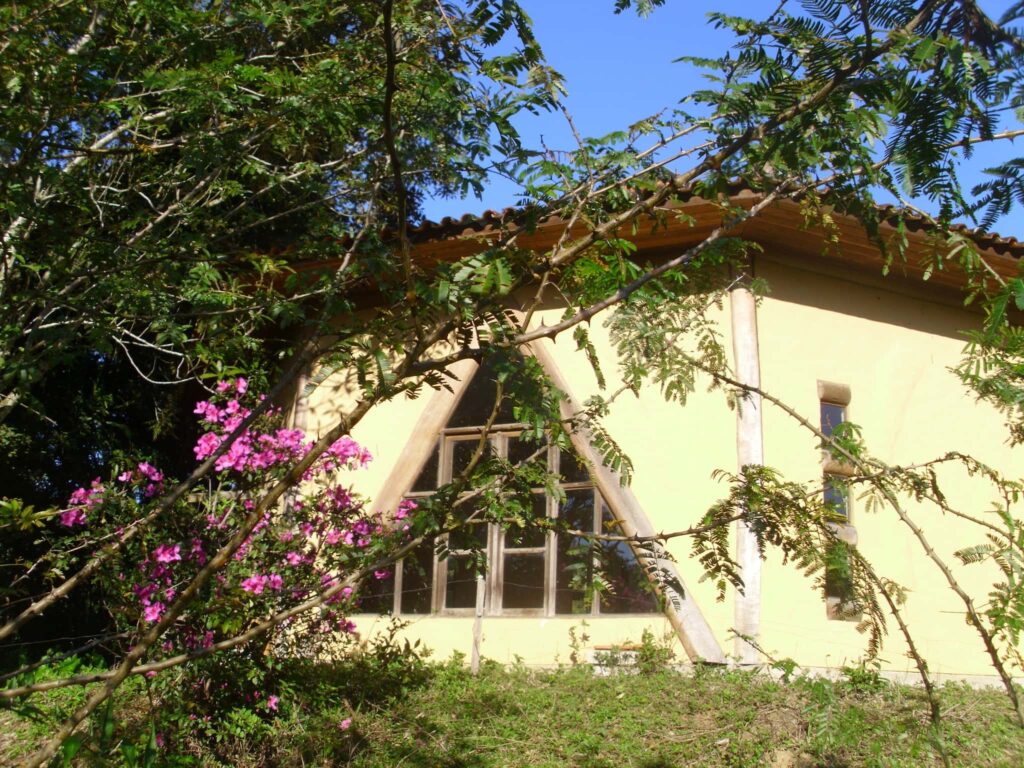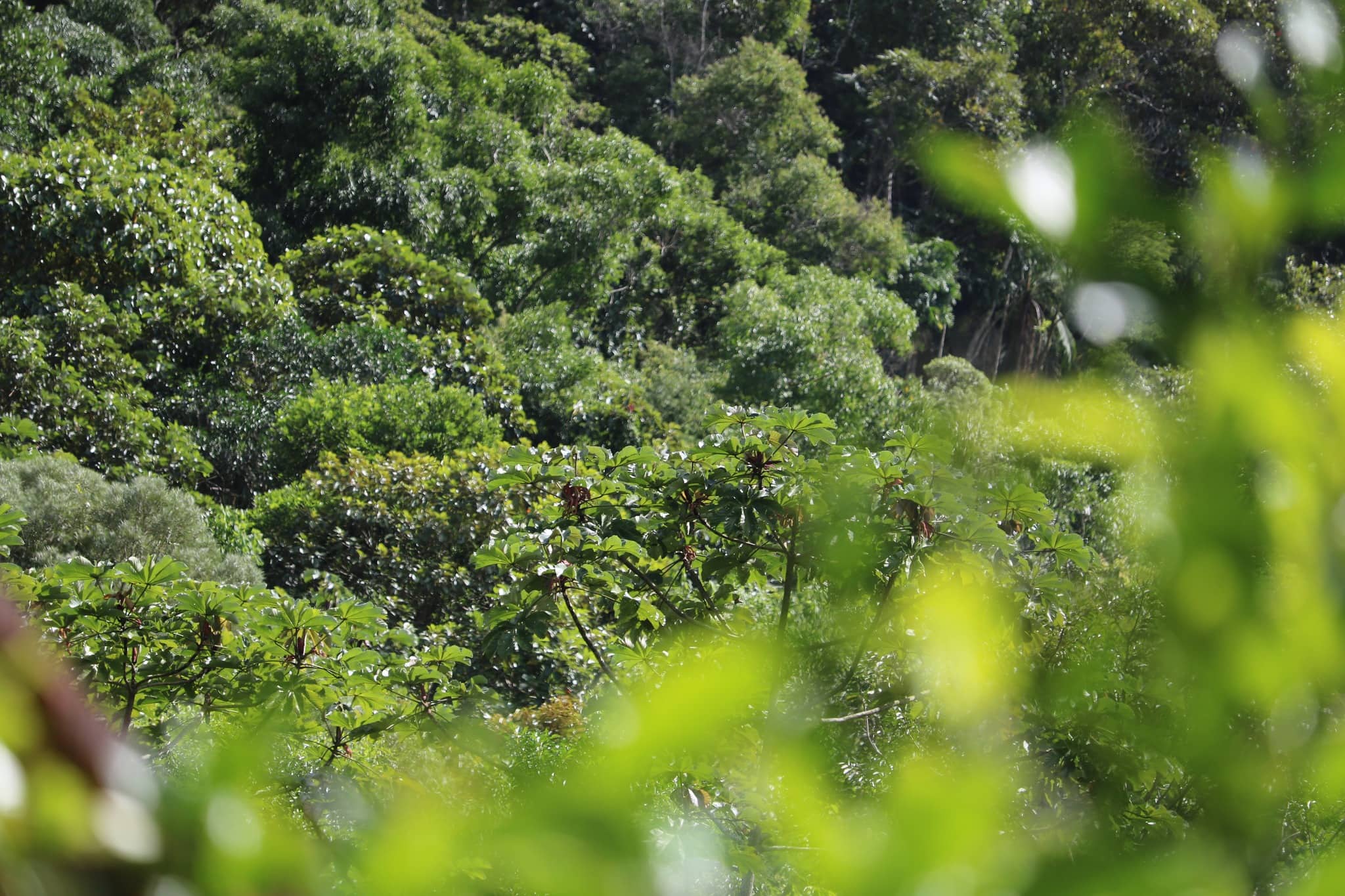
Lush green forest with dense foliage and blurred foreground.

Bioaldeia Arawikay

  • Communities

About the Communities

  • Established
  • Portuguese (Portugal)
  • Ecological
  • Rural

Founding year

  • 2000

What we do

Bioaldeia Arawikay é um “PROJETO DE VIDA EM TERRITORIO AGROECOLÓGICO” desde o ano 2000 que evidencia o pertencimento à Natureza e à Comunidade Humana com suas diversidades culturais.
Envolve-se com a cultura regional e têm vocação multicultural. Direciona seu crescimento para uma pequena aldeia agroecológica e florestal no resguardo do patrimônio natural, procura pegadas de baixo impacto, chamado às criações coletivas. Nossa busca é pela resiliência e serviço educativo.
Por enquanto, seis pequenas terras (zonas) se interligam no projeto: PRIMERA E SEGUNDA TERRA – dois sítios com atividades como áreas de Pequeno Produtor (agroecologia e preservação de florestas); produção para consumo próprio, pequenas vendas, artesanato e agenda cultural.
Transitamos pelo Turismo de Experiência que se alinha com os conceitos e propostas do Turismo de Base Comunitária,estadias de períodos maiores com aprofundamento.
Nosso cotidiano se encontra nas atividades de horta sintrópica, com visão permacultural e gestão holística dos sítios; criação de artesanato com materiais da floresta; reaproveitamentos e reutilização de outros materiais para venda de criações, assim como oficinas, imersões, retiros e voluntariados.
TERCEIRA TERRA – sítio cultural que permite a fluência de atividades nas experiências em Ecologia Profunda e Crescimento Humano, em áreas de Saúde Natural, Auto- Conhecimento, Artes e Ofícios, Espiritualidade Prática, Trilhas Ita Ton; Zonas para encontro de mulheres pro ativas socialmente. Nesta terra realizamos parcerias com outros facilitadores.
QUARTA TERRA– sítio com maioria de reserva florestal e nascentes, trilhas temáticas vinculadas a outras áreas florestais.
QUINTA E SEXTA TERRA– Destinadas à venda para pessoas atuantes em coletivos informais ou formais; constituirão as novas moradas do “Projeto Eco Anel”, para neorrurais com implantação de hortas, pomares agroecológicos e a preservação florestal, legado para as próximas gerações.

  • Purpose
  • Ecological
  • Languages
  • Portuguese (Portugal)
  • English
  • Italian
  • Spanish
  • Community type
  • Ecovillage
  • Intentional Neighborhoods
  • Spiritual Retreat Centers
  • Activities
  • Education

Commemorative dates

  • January 1, 2000
  • Started living together
  • Open to new members
  • Open to visitors
Total
5

How to join

1. Fazer o CADASTRO como apresentação dentro do nosso site (informações básicas e quais suas necesidades) e iniciaremos um diálogo via e-mail.
2- Para construir e morar precisa adquirir terra dentro do Projeto de Anel Ecológico já apresentado nas páginas do site.
3- Pode fazer uma visita em um programa com atividades segundo a nossa Agenda.Ou fazer um acordo de aluguel como Turismo Rural numa Co House para conhecer e sentir melhor o lugar e interagir.
4- Poderá começar a construir apôs compra alugando próximo para administrar seu projeto.
5- Pode passar uma curta temporada como worldpackers para aprofundar a vivência da vida ecorrural.
6- Projete sua ideia de vida rural segundo as caraterísticas desta região florestal a 160 metros de altura do nível do mar.O mar está próximo a menos de uma hora.Serra a meia hora de carro. Águas termais a menos de uma hora.Cidade com estrutura a 15 minutos.Região de Agricultura Familiar, Micro Bacias, florestas, rios.Vale pacífico e silencioso

Guest Book

Written reviews are available for plus members. Click here to upgrade.

Location

  • Brazil

Bioaldeia Arawikay

Promoted Needs and Offers

  • Events
1 month ago

New Zealand Ecovillage Tour: March 10-19, 2027

Ecovillage Network logo with sun and moon symbols in purple.
Ecovillage Network logo with green leaves inside a circle.
Ecovillage Network logo with a heart-shaped handshake symbol.
Logo of the Global Ecovillage Network with a stylized flower design.
Logo of the Global Ecovillage Network with interconnected figures.
March 10–19, 2027 | Nelson–Tasman, New Zealand Discover some of New Zealand’s most inspiring intentional communities Spend 10 days exploring nine intentional communities and ecovillages across the beautiful Nelson–Tasman region of New Zealand’s South Island. Visit communities including Riverside Community, Tui Community, Kōwhai Cohousing, Braemar Ecovillage, Rainbow Valley Community, Atamai Village and WantooWantoo Community, with rare behind-the-scenes access made possible through longtime relationships with local community leaders. Experience a diverse range of approaches to intentional living from one of New Zealand’s longest-running communities to cohousing, permaculture-based settlements and a residential yoga community. Meet founders and residents and learn firsthand about natural building, regenerative land stewardship, shared decision-making, food systems, cooperative businesses and the practical realities of creating and sustaining community over time. Along the way, experience the spectacular landscapes and culture of New Zealand’s South Island, including local markets, organic gardens, sacred springs and Māori culture. With overnight stays in several of the communities, the tour offers an immersive opportunity to experience what community life actually feels like rather than simply visiting from the outside. A great fit for: Prospective community members, community founders, people interested in sustainable and regenerative living, and travelers looking for an immersive introduction to intentional community in one of the world’s most beautiful natural settings. Learn more about this tour: https://www.ecovillagetours.com/new-zealand
March 10, 2027 00:00 – March 19, 2027 23:59
  • Events
3 months ago

IERI (International Ecovillage Research Institute) Research Lab

Logo of the Global Ecovillage Network with a stylized flower design.
The Research Lab is a new space for connection, exchange, and inspiration, bringing together researchers, practitioners, and students interested in ecovillages and regenerative communities. Our intention is to create a vibrant laboratory where we can learn from one another, strengthen collaborations, and advance collective knowledge. 📅 Date: Wednesday September 23rd🕓 Time: 10:30 Brazil / 13:30 UTC / 15:30 CEST (1.5 hour) Zoom link: https://unibas.zoom.us/j/61404061682   Register Here: https://unibas.zoom.us/meeting/register/io_jg3SJQGqRAaIi0eXazw Transitions towards the pluriverse: Place, difference, alliances and autonomy in two Latin American ecovillages Presented by Dr. Rebeca Roysen Professor at the Graduate Program in Tourism and Hospitality, Co-leader of the Sustainability Transitions and the Pluriverse of Alternatives (TranS-PlurAL) research group, Universidade do Vale do Itajaí (UNIVALI), Brazil This study proposes an alternative analytical framework for sustainability transitions research by drawing on critical scholarship on grassroots innovations and post-development studies. Rather than focusing on scalable innovations and socio-technical regime change, it introduces the concept of Transitions Towards the Pluriverse (TTP)—a bottom-up, decolonial, and context-sensitive approach that recognizes the diversity of transition pathways and places local communities and grassroots innovations at the center of transformations. Through two case studies of Latin American ecovillages, Dr. Roysen explores four key analytical dimensions—place, difference, alliances, and autonomy—to examine how ecovillages promote (or sometimes fail to promote) transitions towards the pluriverse. Whether you are an experienced researcher, a practitioner, or a student beginning your journey, you are warmly welcome to join us. We look forward to learning, exchanging ideas, and building this community together. Recent publications by Dr. Rebeca Roysen Roysen, R., Pereira Prado, M. M., Bruehwiler, N., Kos, L., & Koehrsen, J. (2026). Transitions towards the pluriverse: Place, difference, alliances and autonomy in two Latin American ecovillages. Sustainability Science. Roysen, R., Ayala, D. H. F., Ramos-Mejía, M., Kos, L., Bruehwiler, N., & Koehrsen, J. (2026). Replicating grassroots innovations in the Global South: A case study of ecovillages for marginalized groups in Colombia. Environmental Innovation and Societal Transitions. Roysen, R., Fagundes, G. M., Kos, L., Bruehwiler, N., & Koehrsen, J. (2025). Building a World-Ship: A decolonial approach to just energy transitions. Human Geography. More information: Ecovillage Research Global Ecovillage Network 
Offer

Update to a Public Profile

  • Log in
  • Go to your profile page
  • Toggle on the "Put me on the People Map"
  • Save your profile

Information

Communities

A residential project: people live here as their primary home.

Organizations

An institution, business, network, or project that isn’t a residence (e.g. a learning center, farm, or network with no one living there full-time).

GeN logo with blue flower motif and plus sign in centre.

Become a + Community Member

  • Find people based on your community tool
  • Post Needs & Offers Listings and Events
  • Access to resources in the Members Library
  • Member badge on your community profile
  • View communities detailed reviews
  • Create Private Groups
I am an official member of this community
Disclaimer
I affirm that my information is accurate and I am authorized to manage this listing
Global Ecovillage Network member banner with FIC circle logo.

Free Plan

Free plan
Free

Intentional Advertising

  • Subtotal

    {{ currencyFormat( pricing_summary.total_amount ) }}

GeN logo with blue flower motif and plus sign in centre.

Become a + Member

  • Find communities based on your profile tool
  • Post Needs & Offers Listings and Events
  • Access to free resources in the Members Library
  • Member badge on your profile
  • View communities detailed reviews
  • Create Private Groups