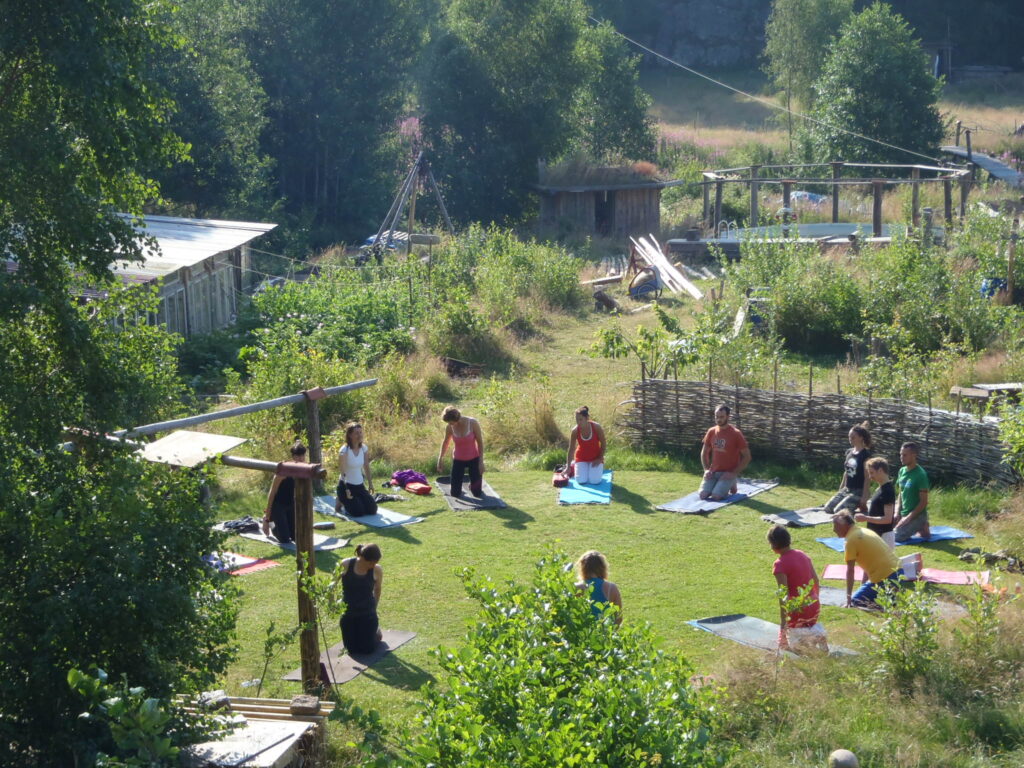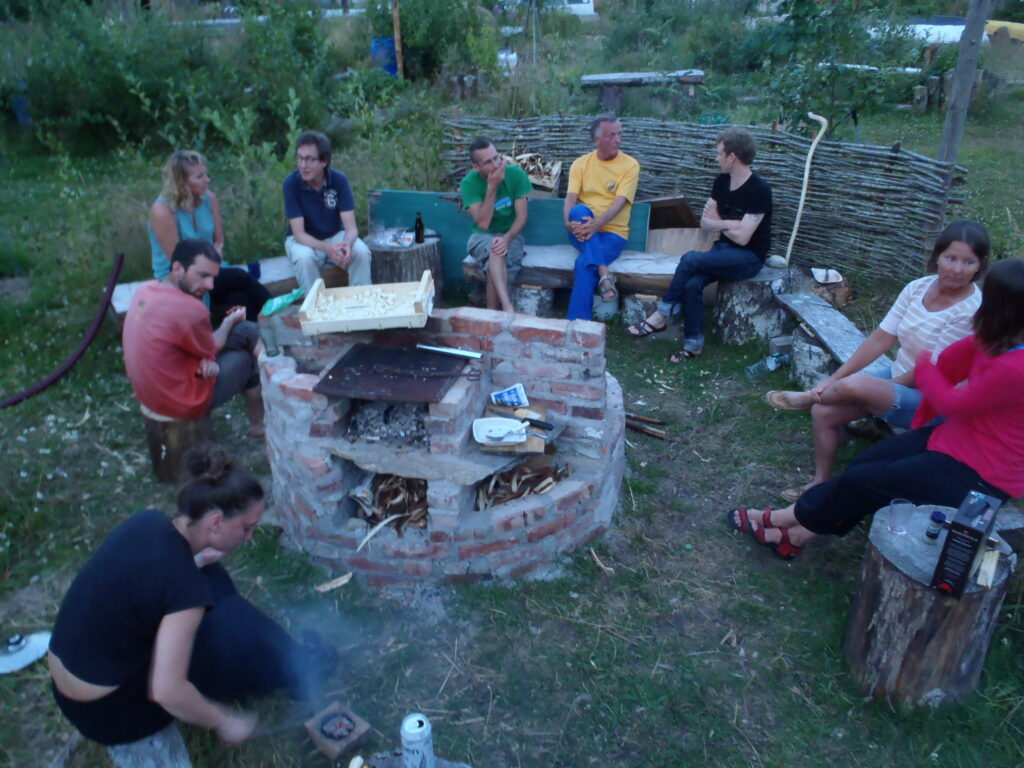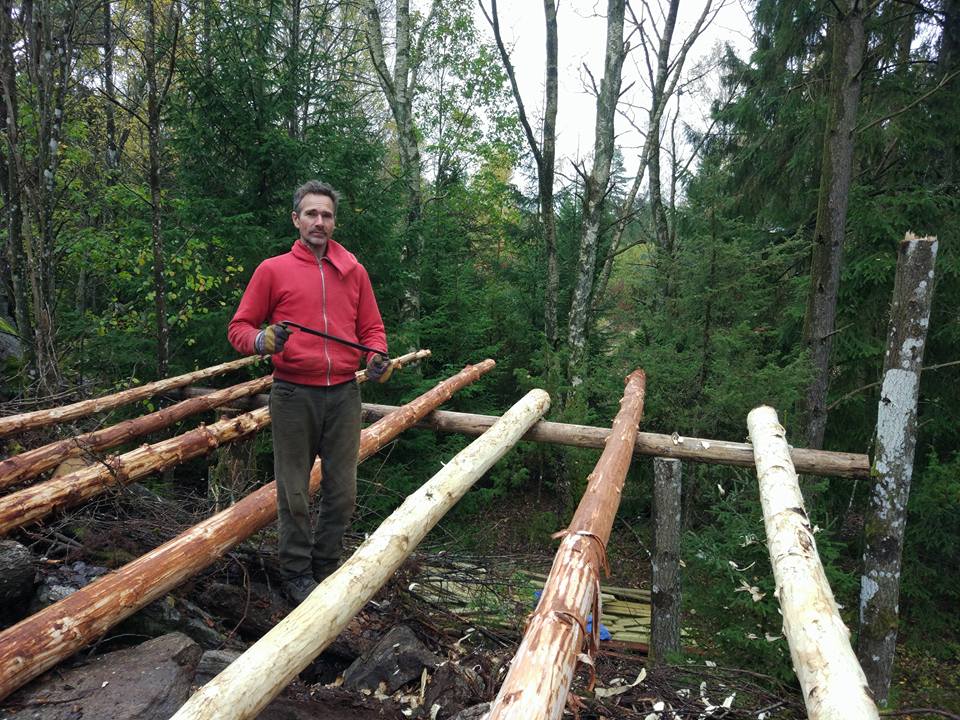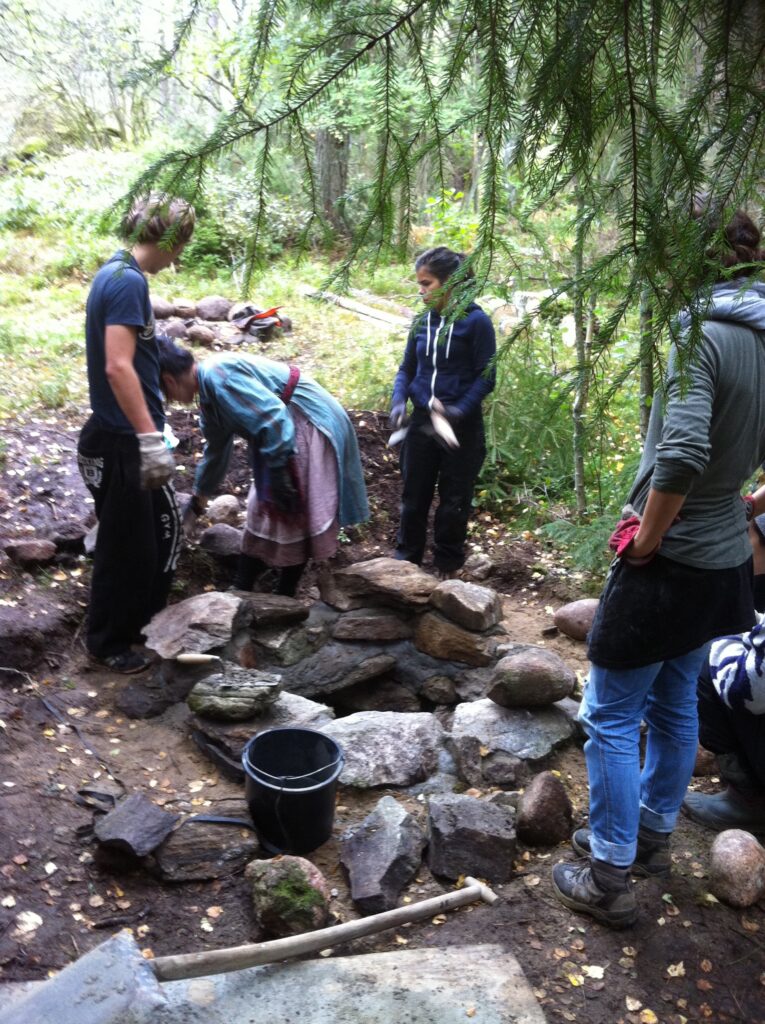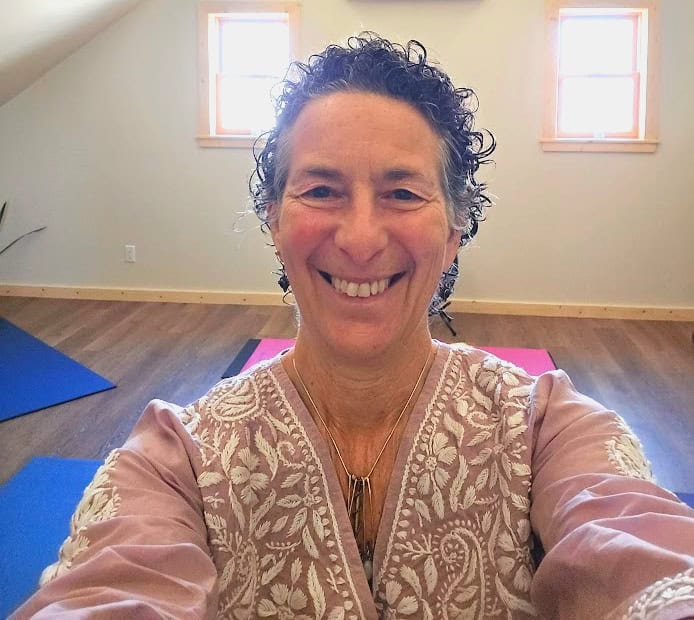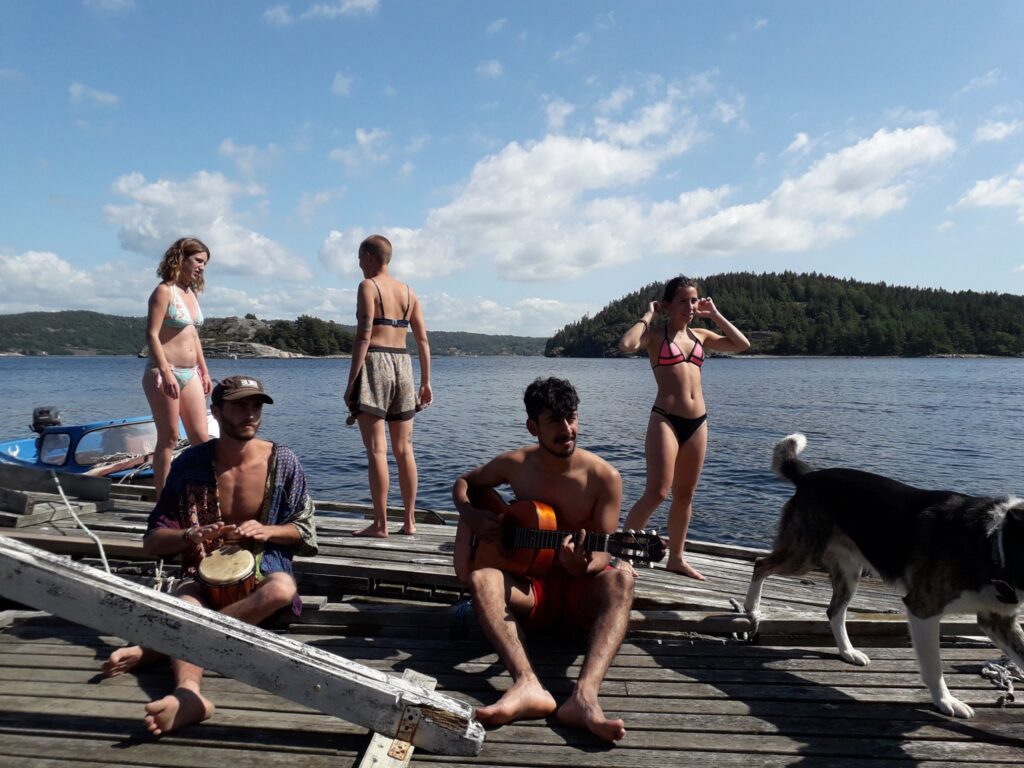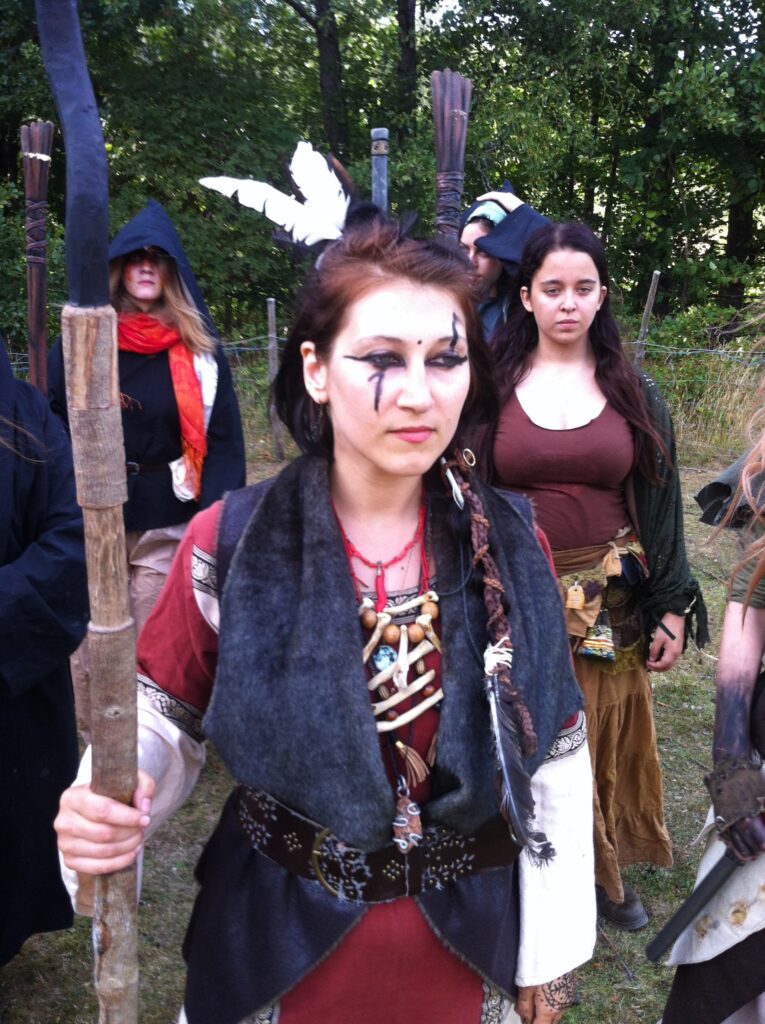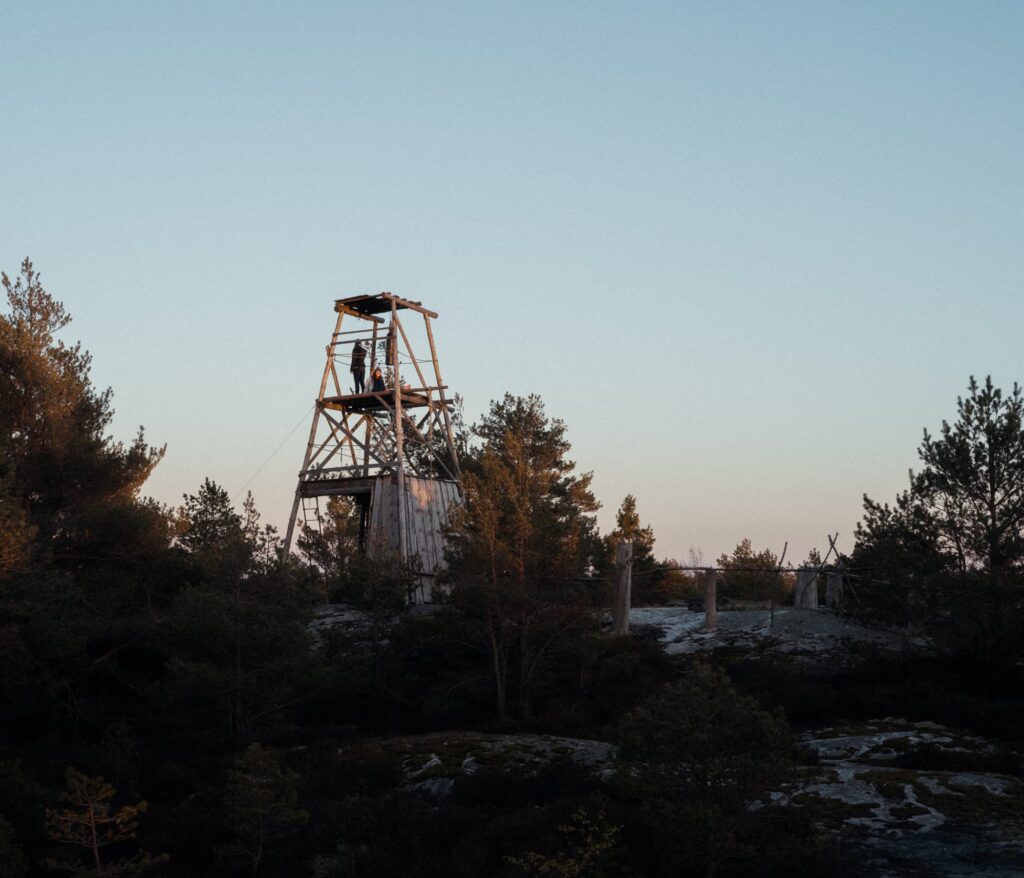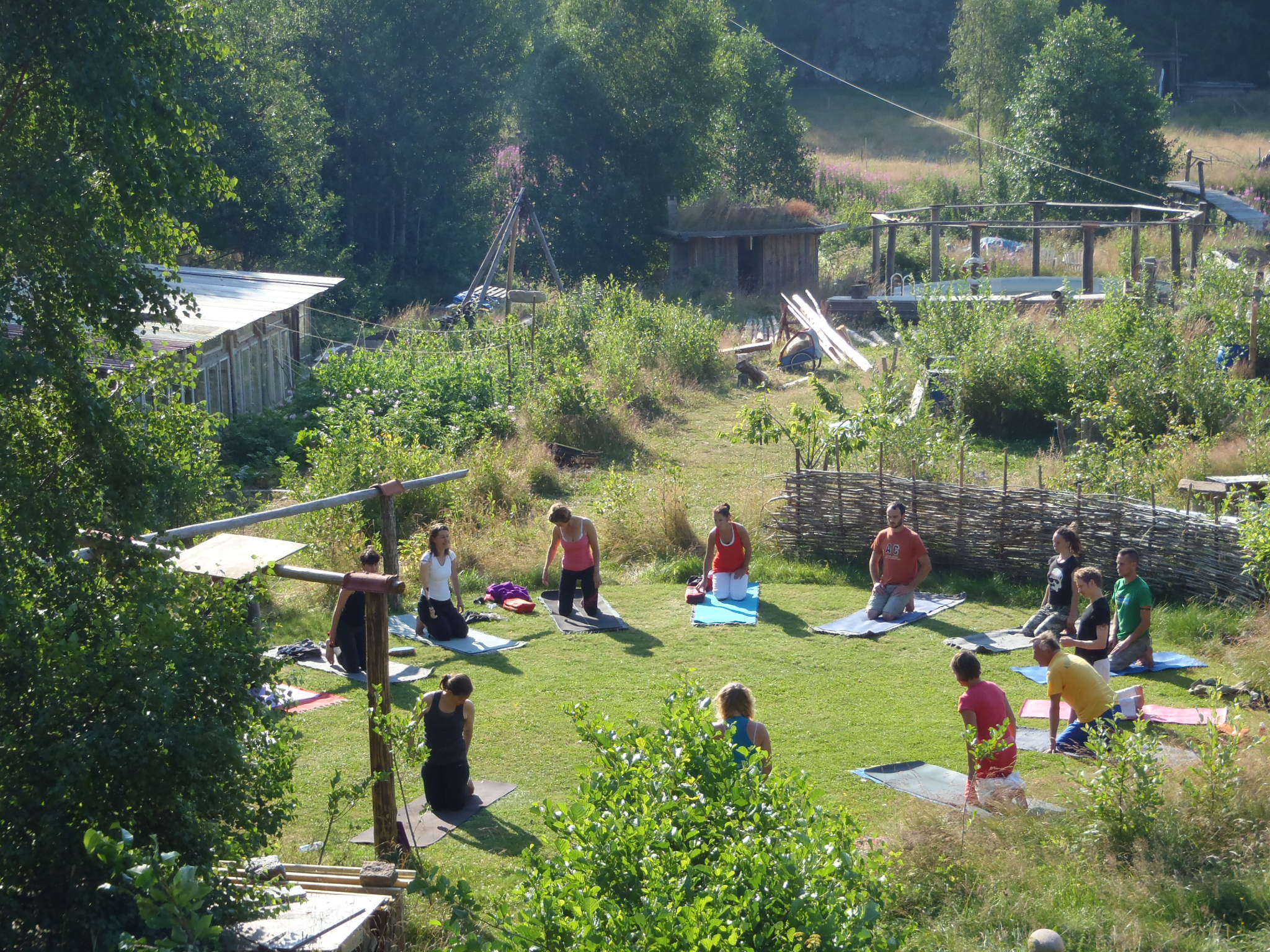
Group of people practicing yoga in a village garden setting.

Hästekasen permaculture farm, learning and adventure center

  • Communities

About the Communities

  • Forming
  • English
  • Ecological
  • Rural

Founding year

  • 2018

What we do

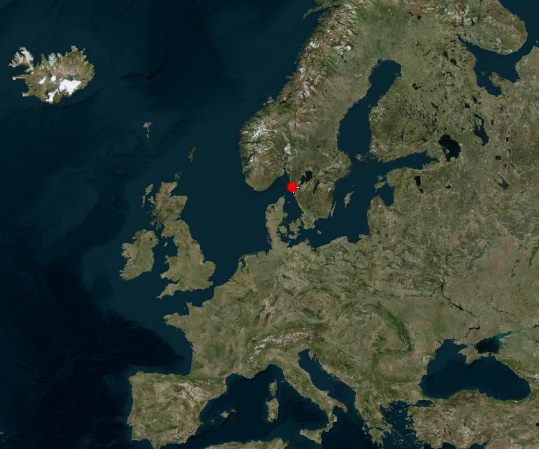
A small scale farm close to the sea on the Swedish west coast. At the end of a road, with a big forest in the back.
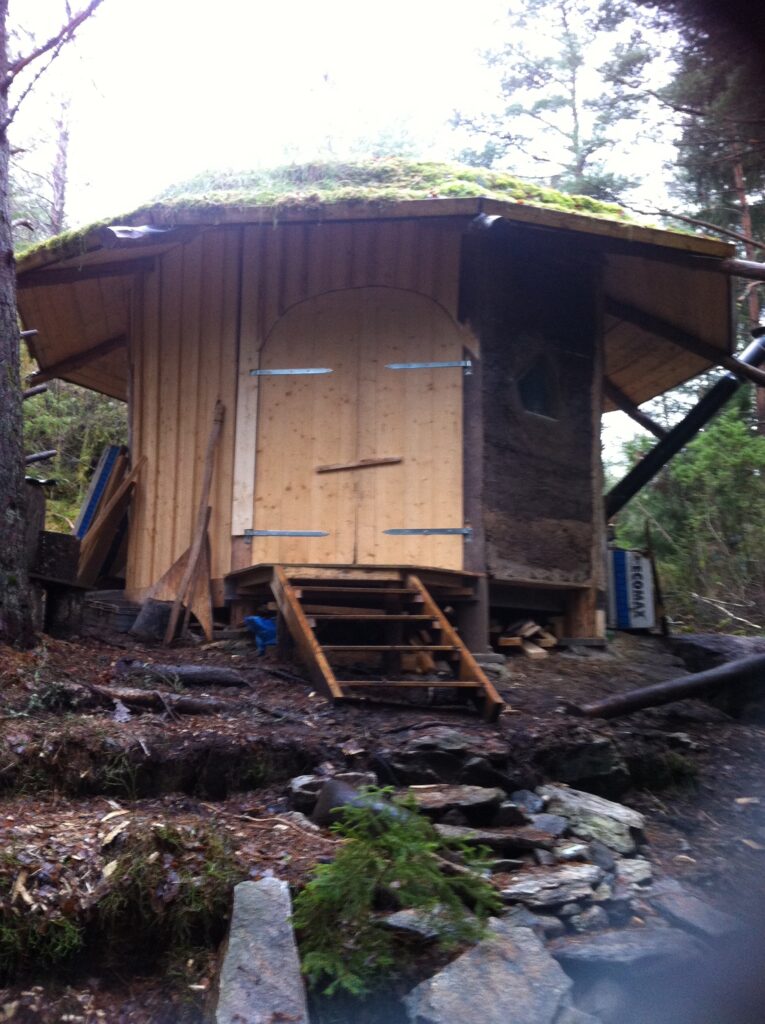
Aiming for self-sufficiency by permaculture farming. Hens, bees, sheep, ducks, dog, cat. It’s not aiming for a village (yet), more of a main house and small one-room satellite houses around it. Small off the grid, low impact, low standard houses, tiny houses. 12 hectares. 1 hectare for animals, 1 hectare for farming, the rest for recreation and firewood and building material.
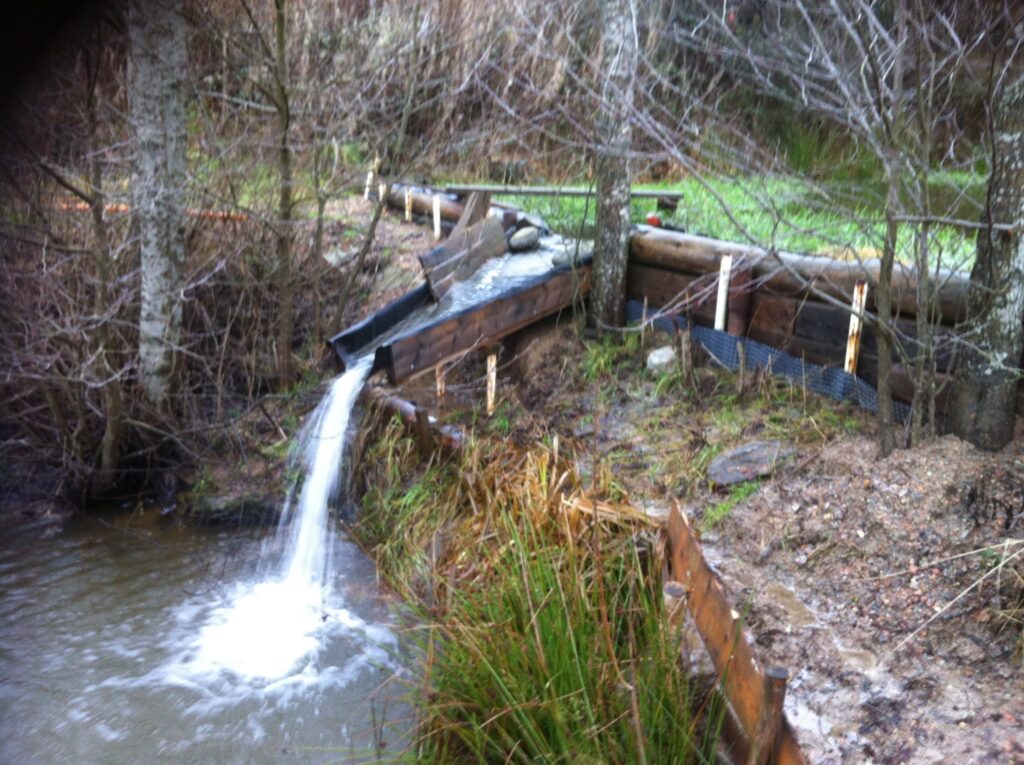
We focus on water, food, shelter, warmth, building (with natural material), sewage (dry toilets).
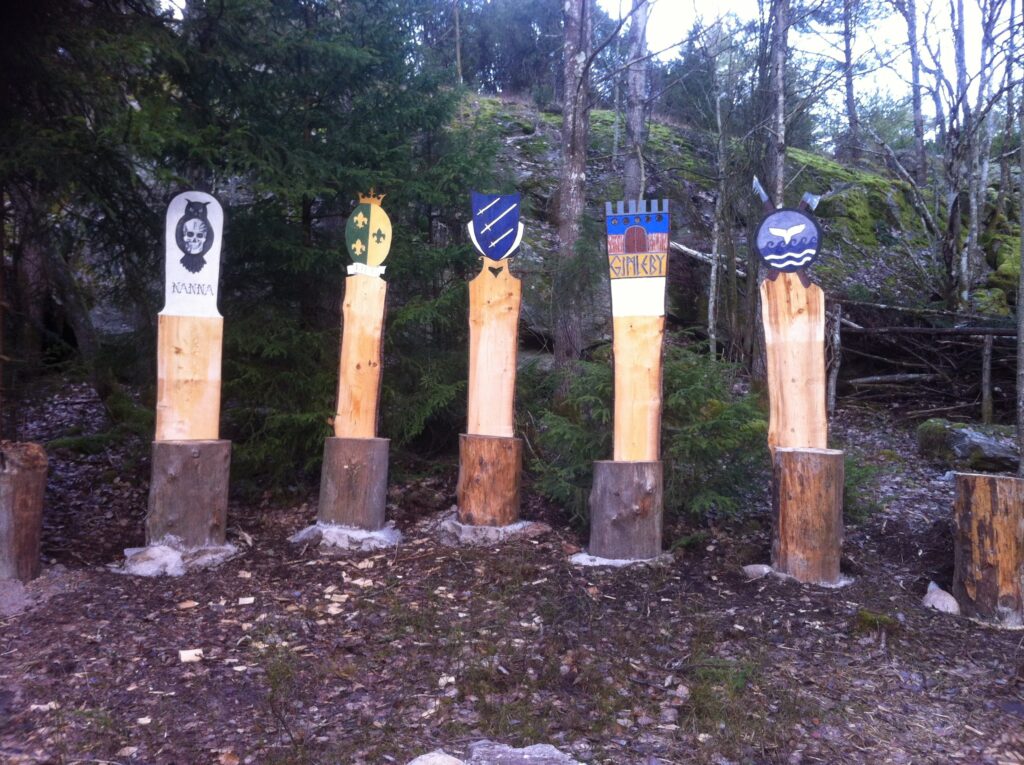
We are attached to Erasmusplus, ESC, WWOOF and Couchsurfing. In the summertime there is a lot of visitors doing adventure activities and some yoga. Some 30+ people here.
We are looking for volunteers that would like to do an Erasmusplus/ESC volunteering (6-9 months)
A strict no-drug policy. Not even smokers of nicotine are welcome. We try to eat less sugar, avoid carrying and staring into mobiles.
We are not so “hippie-peace-love and understanding”, more like green entrepreneurs.
Hästekasen is preparing for potential collapses in economy, ecology, “energy”. Hard work is needed, more producing, less consuming.
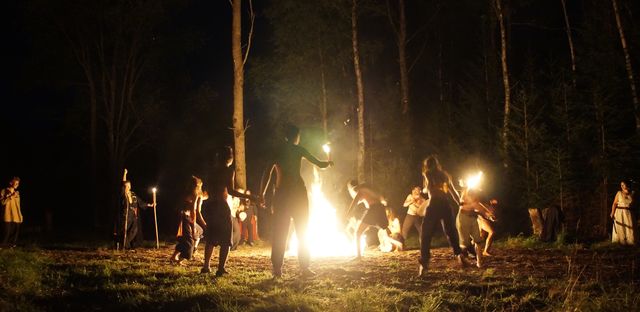
We eat some meat, but only if it is home slaughtered. We are mostly atheists. We like nature, our own music, sport/yoga, handicraft.
We are currently saving money to be able to buy neighboring land and expand, but it is an expensive area due to proximity to the sea.
We have got a few huts for rent.

  • Purpose
  • Ecological
  • Languages
  • English
  • Swedish
  • Community type
  • Intentional Neighborhoods
  • Land-Based Communities
  • Activities
  • Permaculture
  • Education
  • Experiences

Commemorative dates

  • January 1, 2018
  • Started planning
  • January 1, 2025
  • Started living together

Video

  • Open to new members
  • Open to visitors
  • Open to volunteers
Total
6

How to join

Read the homepage.
Google the name.
Look at all pictures.
Present yourself thoroughly.
Start with a short “couchsurfing”.
Maybe a “workaway”.
Share the vision and lifestyle ambitions.
Land for lease available
Who are you?
What do you eat?
What is your relationship to money?
Is there a god?
How do you define honor?
Are there things you would never do?
How is your agreeableness?
How do you celebrate?
What do you produce?
What is your thoughts on toilets?
Could you produce more than you consume?
At what level do you recycle?
What are your skills in non violent communication?
Are you spiritual? How does that affect your choices?
How do you use music?
Your thoughts on hygiene?
What addictions do you have?
Can you kill?
Are you open minded?
How much energy do you consume?
What are you afraid of?
Have you met your inner child?
Work ethics. What does that mean to you?
Ever thought about your greed?
Do you know the difference between your needs and wants?
Can you build your own house?
What is your relationship to your mobile phone?
Bag with wheels or backpack?
What is in your make-up?
What irritates you?
… or whatever defines you…

Guest Book

Written reviews are available for plus members. Click here to upgrade.

Our Members

Panorama of an eco-village with yurts, cabins and gardens.

Location

  • Sweden

Hästekasen permaculture farm, learning and adventure center

Promoted Needs and Offers

  • Events
1 month ago

New Zealand Ecovillage Tour: March 10-19, 2027

Ecovillage Network logo with sun and moon symbols in purple.
Ecovillage Network logo with green leaves inside a circle.
Ecovillage Network logo with a heart-shaped handshake symbol.
Logo of the Global Ecovillage Network with a stylized flower design.
Logo of the Global Ecovillage Network with interconnected figures.
March 10–19, 2027 | Nelson–Tasman, New Zealand Discover some of New Zealand’s most inspiring intentional communities Spend 10 days exploring nine intentional communities and ecovillages across the beautiful Nelson–Tasman region of New Zealand’s South Island. Visit communities including Riverside Community, Tui Community, Kōwhai Cohousing, Braemar Ecovillage, Rainbow Valley Community, Atamai Village and WantooWantoo Community, with rare behind-the-scenes access made possible through longtime relationships with local community leaders. Experience a diverse range of approaches to intentional living from one of New Zealand’s longest-running communities to cohousing, permaculture-based settlements and a residential yoga community. Meet founders and residents and learn firsthand about natural building, regenerative land stewardship, shared decision-making, food systems, cooperative businesses and the practical realities of creating and sustaining community over time. Along the way, experience the spectacular landscapes and culture of New Zealand’s South Island, including local markets, organic gardens, sacred springs and Māori culture. With overnight stays in several of the communities, the tour offers an immersive opportunity to experience what community life actually feels like rather than simply visiting from the outside. A great fit for: Prospective community members, community founders, people interested in sustainable and regenerative living, and travelers looking for an immersive introduction to intentional community in one of the world’s most beautiful natural settings. Learn more about this tour: https://www.ecovillagetours.com/new-zealand
March 10, 2027 00:00 – March 19, 2027 23:59
  • Events
3 months ago

IERI (International Ecovillage Research Institute) Research Lab

Logo of the Global Ecovillage Network with a stylized flower design.
The Research Lab is a new space for connection, exchange, and inspiration, bringing together researchers, practitioners, and students interested in ecovillages and regenerative communities. Our intention is to create a vibrant laboratory where we can learn from one another, strengthen collaborations, and advance collective knowledge. 📅 Date: Wednesday September 23rd🕓 Time: 10:30 Brazil / 13:30 UTC / 15:30 CEST (1.5 hour) Zoom link: https://unibas.zoom.us/j/61404061682   Register Here: https://unibas.zoom.us/meeting/register/io_jg3SJQGqRAaIi0eXazw Transitions towards the pluriverse: Place, difference, alliances and autonomy in two Latin American ecovillages Presented by Dr. Rebeca Roysen Professor at the Graduate Program in Tourism and Hospitality, Co-leader of the Sustainability Transitions and the Pluriverse of Alternatives (TranS-PlurAL) research group, Universidade do Vale do Itajaí (UNIVALI), Brazil This study proposes an alternative analytical framework for sustainability transitions research by drawing on critical scholarship on grassroots innovations and post-development studies. Rather than focusing on scalable innovations and socio-technical regime change, it introduces the concept of Transitions Towards the Pluriverse (TTP)—a bottom-up, decolonial, and context-sensitive approach that recognizes the diversity of transition pathways and places local communities and grassroots innovations at the center of transformations. Through two case studies of Latin American ecovillages, Dr. Roysen explores four key analytical dimensions—place, difference, alliances, and autonomy—to examine how ecovillages promote (or sometimes fail to promote) transitions towards the pluriverse. Whether you are an experienced researcher, a practitioner, or a student beginning your journey, you are warmly welcome to join us. We look forward to learning, exchanging ideas, and building this community together. Recent publications by Dr. Rebeca Roysen Roysen, R., Pereira Prado, M. M., Bruehwiler, N., Kos, L., & Koehrsen, J. (2026). Transitions towards the pluriverse: Place, difference, alliances and autonomy in two Latin American ecovillages. Sustainability Science. Roysen, R., Ayala, D. H. F., Ramos-Mejía, M., Kos, L., Bruehwiler, N., & Koehrsen, J. (2026). Replicating grassroots innovations in the Global South: A case study of ecovillages for marginalized groups in Colombia. Environmental Innovation and Societal Transitions. Roysen, R., Fagundes, G. M., Kos, L., Bruehwiler, N., & Koehrsen, J. (2025). Building a World-Ship: A decolonial approach to just energy transitions. Human Geography. More information: Ecovillage Research Global Ecovillage Network 
Offer

Update to a Public Profile

  • Log in
  • Go to your profile page
  • Toggle on the "Put me on the People Map"
  • Save your profile

Information

Communities

A residential project: people live here as their primary home.

Organizations

An institution, business, network, or project that isn’t a residence (e.g. a learning center, farm, or network with no one living there full-time).

GeN logo with blue flower motif and plus sign in centre.

Become a + Community Member

  • Find people based on your community tool
  • Post Needs & Offers Listings and Events
  • Access to resources in the Members Library
  • Member badge on your community profile
  • View communities detailed reviews
  • Create Private Groups
I am an official member of this community
Disclaimer
I affirm that my information is accurate and I am authorized to manage this listing
Global Ecovillage Network member banner with FIC circle logo.

Free Plan

Free plan
Free

Intentional Advertising

  • Subtotal

    {{ currencyFormat( pricing_summary.total_amount ) }}

GeN logo with blue flower motif and plus sign in centre.

Become a + Member

  • Find communities based on your profile tool
  • Post Needs & Offers Listings and Events
  • Access to free resources in the Members Library
  • Member badge on your profile
  • View communities detailed reviews
  • Create Private Groups