
REDES (Réseau pour l’Emergence et le Développement des Ecovillages au Sahel) is a non-profit, action- oriented, community- based and led organisation, committed to making a significant contribution to the building of the Green Wall Project in the Sahel region through community education and cooperation, and ecovillage strategies and practices.
The Sahel is the region bordering the Sahara desert, stretching from Senegal and Mauritania in the West to Eritrea and Ethiopia in the East. It is characterized by rare and sparse vegetation, long droughts, short and heavy rains, frequent sandstorms, extremely high temperatures from April to July, and poor agricultural policies. The local populations face serious socio-economic challenges like mass impoverishment, massive rural exodus, immigration and insecurity in countries like Mali, Niger and Burkina Faso. Mauritania and Senegal are comparatively safe countries.
The headquarters of REDES are located in Lahel (Podor Region). The action of REDES is currently limited to the region of Senegal River Valley. Its main project is the implementation of a cross-border ecovillage hub, consisting of 100 rural villages, 50 on each side of River Senegal. REDES programmes
include:
- community workshop on ecovillage design and practices (with a focus on permaculture, organic food processing, inter-community and cross-border peace building and cooperation)
- cultural events (Eco-Fest),
- construction of wells for people and cattle to have access to drinking and also start or support community/ family gardens. ( 73 wells have built in villages and community gardens)
- tree production to support community reforestation programmes and the implementation of community orchards. So far REDES has produced over 550,000 trees, and implemented 7 community orchards and a growing food and medicinal forest in Lahel
- construction of 14 classrooms and a community library
- community service learning programmes which brings international students and volunteers and local youth and women actors together to learn and share knowledge while serving local community and natural ecosystems. These programmes create sturdy bridges for international friendship, cooperation and bridges. REDES gas strong relationships with European Ecovillages such as Amalurra and Los Portales communities
(Spain), Damanhur (Italy), Heilhaus (Germany), and other international organisations like Harambee House, HBCU Green Funds (USA)
Learn more about the 2023 winner of the Hildur Jackson Award through this interview:
As REDES strategic and official fiscal partner in Europe, GEN Europe plays a vital role in the growth and upscaling of REDES regenerative work. Thanks to GEN Europe, the following projects and programmes have been and are being implemented:
Quenching the Thirst of Rural Communities and Creating Green Oases in the Sahel Region
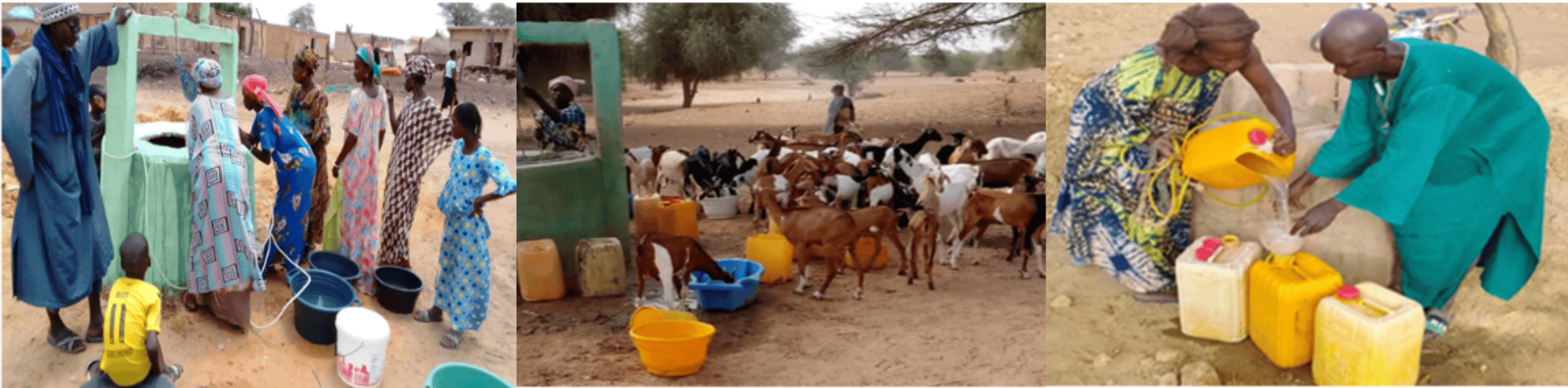
Wells are life-sustaining stations. They quench the thirst of beneficiary communities, and of their cattle in rural village which do not have access to running water. The wells that REDES provides are a massive relief to women and girls who very often cover long distances on a daily basis to get water for their families. These time saving infrastructures impact positively the health of the communities and their animals thanks to the reduction of water born parasites and diseases. Another addition benefit is that these wells allow communities to grow vegetable, shade and fruit trees. From 2023 to 2025, fifteen wells have been constructed with the generous support of European donors and GEN Europe.
Supporting REDES Educational infrastructures and Programmes
The illiteracy rate in rural areas of Senegal River Valley is extremely high. In some areas, along the border with Mauritania, formal educational systems are either absent or suffering from a chronic deficit of classrooms, of libraries, didactical materials and sometimes of qualified teachers. To make the situation worse, many children, especially girls drop out of school because of a lack of means and motivation, or because of the long distances they have to walk every day to and from neighbouring village schools.
To facilitate the access to education, and help build a bright future for children, REDES has made important efforts to support the education system. REDES has built 14 classrooms which offer about 650 children a change to attend school in their own villages. REDES organises distributions of free school supplies: 30 village schools in the region of Podor have benefitted from such donations.
In Lahel village, there was no school. Children had to walk 10 kms a day to and from Halwar School. With the support of his partners, REDES founder built four classrooms in Lahel in 2007. He then wrote to the local education authorities to post teachers there. In Lahel, REDES has built a classroom and a community library with the support of German donors and GEN Europe. REDES also organises free medical consultations in communities and schools, with the support of international partners and local medical doctors.
In 2024, five hundred (500) children with sight deficiencies were consulted by professional eye doctors and offered adapted glasses free of charge, which improves considerably their learning experiences.
REDES Community Library in Lahel
The only library in the region in Podor, about over 47 kilometres away from Lahel. The lack of a library around Lahel is a serious handicap to the locals who wish to read or make research in a quiet place. REDES Community Library was made possible in 2024 thanks to the connection to GEN Europe. This multifunction library is meant to serve satellite communities on the Ile Amorphil (Elephant Island) and in Darel Barka municipality in Mauritania. Some book resources are already available for school children, teachers, REDES volunteers and researchers. As it develops, the library space will become a dynamic platform where local and international, active and retired teachers will come to share experiences on didactic methods. The projection of documentary, conferences will be organised for the benefit of the School children of REDES member communities.

Pictures of REDES new library building and volunteers sorting through donated books.
Classroom in Lahel
This infrastructure is essential in supporting the education of enrolled and drop out school children in and around Lahel. Some support classes, which are now given by Djibril Pame, a volunteering primary school teacher. He gives French language classes. As it is not the French language is not the maternal language, many struggle with the language barrier in their schooling. These classes facilitate their mastery of the language by the students. Those who have dropped out of the school are very welcome to join the courses as well. International and local teaching volunteers will also join the education programme and offer wider possibilities like Pulaar and English language classes, courses on ecovillage design and practices. We plan to diversify the educational offer and incorporate an education programme for illiterate adults, who are interested in taking evening classes on reading and writing Pulaar language. REDES is actively looking for additional resources to build classrooms, give small scholarships and stipends to teaching volunteers.

Partial views of Lahel village and of the school created in 2007 by the founder of REDES, Dr Ousmane Aly PAME
Practical Cross Border Community Workshops
With the financial support of the Stiftung Hübner and Kennedy, REDES has been able to organise a series of practical workshop on soil amendment, tree nursery implementation and management, organic pest control techniques, ecovillage design and practices. These workshops are conducted by local highly qualified experts. The participants are mostly women farmers and young men. They represents farming cooperatives and youth associations and came from both sides of Senegal River (Mauritania and Senegal). These events are essential in developing the worldview and skills of local actors, in empowering them to contribute more effectively to the local food production, to the implementation of the great Green Wall, to inter community cooperation, exchange and cooperation. They actively learn from the experts, from each other and also from REDES demonstration projects. The acquired knowledge of the 250 participants to the workshops is relayed in the local community media, via whatsap groups, cooperatives and associations. It spreads from mouth to ear in family and community circles.

Illustrative Pictures of the Workshops
Special Thanks
We, REDES communities and teams wish to express our deep gratitude to our donors, partner organisations, institutions and companies whose support has been crucial in upscaling the positive impacts of REDES work.
- Annika, Alex, and GEN Europe team for bridging supportive relationships with European donors and for channelling the funds to REDES field work.
- Steffen Emrich from GEN Germany for his precious advice, translations and connections. Through your support, you are healing the planet, spreading love, well-being, and giving us wings! Dankë Schön. Thank you!
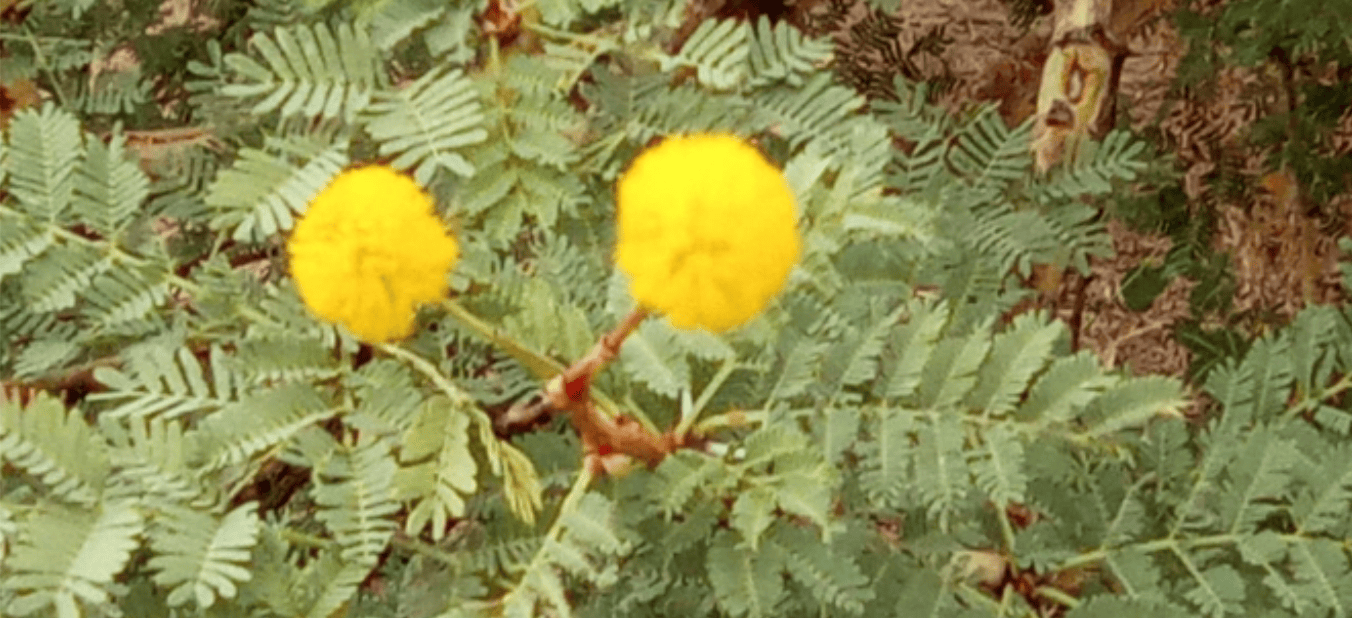
An acacia tree in Redes Center




Leave a Reply